There’s something magical about the food that brings people together, right? I think we all have those recipes that just feel like home. For me, one of those dishes is the simple, but oh-so-satisfying, vegetarian spring roll. Now, I’m not talking about the deep-fried version (though those are great too), but the fresh, crunchy rolls that are packed with crisp vegetables and herbs. They’re light, refreshing, and offer that perfect balance of texture and flavor that never fails to hit the spot. Whether it’s an appetizer for a dinner party or a quick lunch on a sunny afternoon, vegetarian spring rolls are always a crowd-pleaser.
These little bundles of joy bring a sense of celebration to the table-whether you’re sitting down for a casual meal or making them for a special occasion. I can still remember the first time I made these from scratch. It was one of those afternoons where I wanted to try something new in the kitchen, and I ended up with the most colorful, vibrant plate of spring rolls. What I love about making them is how customizable they are. You can really put your own spin on them with whatever vegetables or herbs you’re in the mood for, but there’s always this incredible sense of satisfaction when you dip them in a sweet and savory peanut sauce or soy sauce, and every bite is filled with that freshness.
Spring Roll Vegetarian Recipe
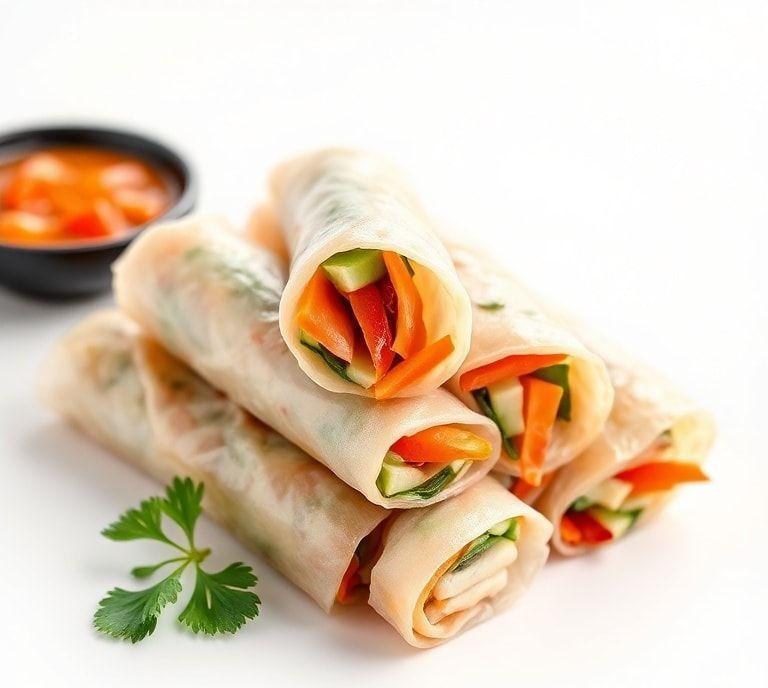
Let’s dive into it. You’ll be amazed at how simple it is to make vegetarian spring rolls. The key here is using the freshest ingredients possible and a little bit of patience when rolling them up. If you’re a beginner, it might take a couple of tries to get the roll just right, but trust me, it’s worth the effort.
Ingredients Needed
- Rice Paper Wrappers: These delicate, translucent sheets are what give spring rolls their signature wrap. They’re surprisingly easy to work with once you get the hang of it.
- Rice Vermicelli Noodles: Soft and chewy, they add a lightness to the rolls that is so satisfying. You’ll want to cook these just until tender, not overdo them.
- Fresh Herbs: Think mint, cilantro, and basil. These herbs are what really elevate the flavor, giving it that aromatic, fresh kick.
- Shredded Carrots: Bright, crisp, and slightly sweet-carrots give both color and crunch to the rolls.
- Cucumber: Thinly sliced, these add a cool, refreshing element to each bite.
- Leafy Greens: Romaine, butter lettuce, or any tender lettuce you love will serve as the perfect base to balance the other textures.
- Avocado: For that creamy element that melts in your mouth.
- Optional Add-ins: Thinly sliced bell peppers, purple cabbage, or even edamame if you’re feeling adventurous.
Cooking Instructions
- Prepare the noodles: Cook your rice vermicelli according to the package instructions. Once they’re soft, drain and rinse them under cold water to stop the cooking process. Set them aside.
- Soften the rice papers: Fill a shallow bowl with warm water (not too hot, or the rice paper will tear). Gently dip one rice paper sheet in the water for about 5 seconds. It will still feel a bit stiff but will soften as you work with it. Lay it flat on a clean, damp kitchen towel or cutting board.
- Layer the fillings: Start by placing a few lettuce leaves on the bottom of the rice paper (closer to the edge). Then add a small handful of noodles, a few strips of carrots, cucumber, fresh herbs, and avocado. Be careful not to overstuff the roll-more filling isn’t always better!
- Roll it up: Fold the sides of the rice paper inwards, then gently roll it up from the bottom, similar to how you’d roll a burrito. The rice paper will stick to itself and create a neat little bundle.
- Repeat: Continue this process until you’ve rolled all your spring rolls. You can serve them immediately or refrigerate them for later.
Ingredient Science Spotlight
When you bite into a vegetarian spring roll, it’s easy to overlook the magic happening with each ingredient, but there’s real science at play in this simple dish. Take the rice paper wrapper, for example. It’s made from rice flour, which is naturally gluten-free. The reason rice paper is so flexible is due to its gelatinous properties when it interacts with water. As you dip it, water molecules enter the rice paper, softening and hydrating it until it becomes pliable enough to wrap around all those fresh ingredients.
The vermicelli noodles are another interesting piece of the puzzle. They’re made from rice, which means they have a low glycemic index. This makes them a better choice for maintaining stable blood sugar levels, which is why they’re popular in many Asian dishes. Their light, slippery texture pairs perfectly with the crunchy vegetables, offering a contrast of mouthfeel that makes each bite so satisfying.
And then there’s the avocado. Its rich, creamy texture comes from its high monounsaturated fat content. These fats not only contribute to a healthy heart but also help to improve the absorption of fat-soluble vitamins like A, D, E, and K, making the vitamins in your vegetables even more beneficial!
Expert Tips
- Use lukewarm water, not hot: If the water is too hot, the rice paper will become too soft and sticky to work with, which could make it harder to roll. Lukewarm water works best for achieving the perfect texture.
- Work quickly, but gently: Once the rice paper is submerged in water, it starts to soften almost immediately. But it’s still fragile, so you’ll want to work quickly to layer the ingredients and roll it without tearing the paper.
- Customize with protein: If you want to add a little extra substance to your spring rolls, consider adding some grilled tofu, tempeh, or even a handful of roasted chickpeas for a plant-based protein boost.
- Serve with sauce: Don’t skimp on the dipping sauces! A peanut sauce with a hint of lime, or a classic soy sauce with a touch of sesame oil, can completely transform your spring rolls into a flavor-packed experience.
Recipe Variations
- Thai-Inspired Spring Rolls: Add a few slices of chili peppers and fresh lime leaves to the filling, along with Thai basil for a more robust flavor profile. A touch of fish sauce (or vegan fish sauce) can give it that extra depth.
- Fruit & Herb Spring Rolls: If you’re in the mood for something a bit lighter, try adding slices of mango, pineapple, or even strawberries for a sweet and refreshing twist.
- Crunchy Variations: Toss in a handful of crispy fried shallots, crushed peanuts, or even crispy rice for added crunch and texture.
Final Words
Making spring rolls is one of those activities where you get to enjoy the process as much as the end result. It’s simple, it’s therapeutic, and the outcome is always impressive. There’s something inherently satisfying about arranging fresh ingredients so beautifully and knowing that you’re about to enjoy something that’s both healthy and bursting with flavor.
Whether you’re making them for a family meal, preparing them for a picnic, or even creating a DIY spring roll bar for a party, this recipe is flexible, fun, and endlessly customizable. Plus, it’s a great way to get kids involved in the kitchen, teaching them about fresh ingredients and how to create something delicious and beautiful.
FAQs
What Are The Basic Ingredients Needed For A Vegetarian Spring Roll?
A typical vegetarian spring roll recipe includes rice paper wrappers, a variety of fresh vegetables (such as lettuce, carrots, cucumbers, bell peppers, and cabbage), and herbs like cilantro and mint. Additionally, you may include tofu or tempeh for protein and a dipping sauce, such as hoisin or peanut sauce.
Can I Make The Spring Roll Vegetarian Recipe In Advance?
Yes, you can prepare the components of the spring rolls ahead of time, such as chopping the vegetables and cooking the protein (like tofu or tempeh). However, it’s best to assemble the rolls shortly before serving to prevent the rice paper from becoming soggy. If you need to store them, cover the rolls with a damp paper towel and plastic wrap to keep them fresh.
How Do I Make The Dipping Sauce For Vegetarian Spring Rolls?
A simple dipping sauce for vegetarian spring rolls can be made using hoisin sauce, peanut butter, and a bit of lime juice for acidity. For a spicier version, add chili sauce or sriracha. You can also create a light soy sauce-based dipping sauce with garlic and ginger to complement the fresh flavors of the spring rolls.