When the first bite of a dish feels like a hug from the inside, you know you’ve found something special. That’s exactly what I experienced when I first made this stuffed squash recipe, and it’s quickly become one of my go-to comfort meals. The balance of sweet, savory, and hearty flavors wrapped up in a warm, golden squash shell-there’s something deeply satisfying about it. But it’s not just about the flavors; it’s the texture, the way the ingredients come together, and the feeling of cozying up with a meal that is both nourishing and light.
This stuffed squash recipe is a celebration of everything autumnal, a meal that feels as though it’s built for a slow, relaxed evening, but it’s versatile enough for a quick dinner with leftovers to spare. It’s vegetarian, meaning it’s packed with veggies, grains, and all the things that give your body what it craves without feeling heavy. If you’re someone who enjoys experimenting with new flavors, or maybe you’re just looking for a hearty yet plant-based meal, you’re going to love this one.
Stuffed Squash Vegetarian Recipe
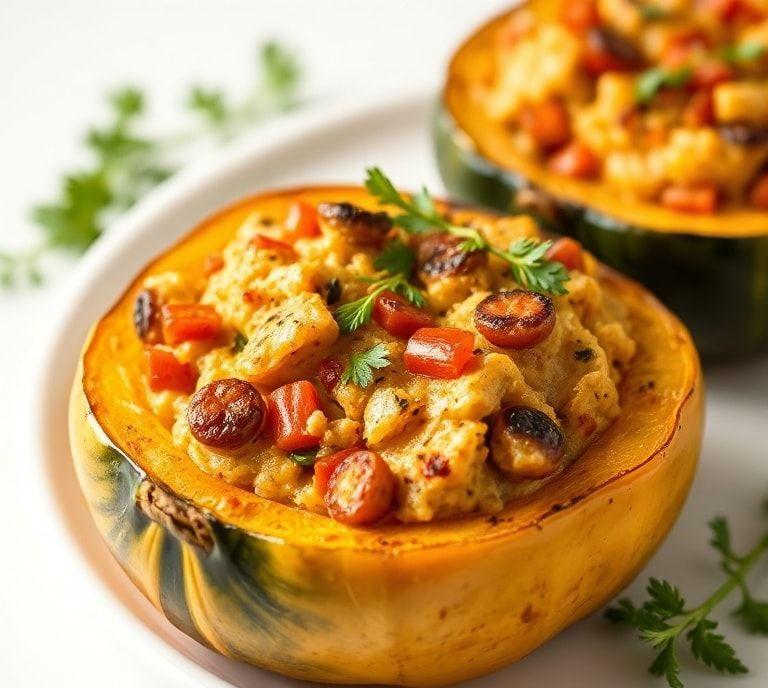
I have a soft spot for stuffed vegetables. It’s like getting a warm, edible bowl, and there’s something undeniably charming about cutting into a squash to reveal its secret filling. This recipe uses butternut squash, but you could easily swap it out for acorn squash or delicata, depending on what’s available. Each variety brings its own unique sweetness and texture.
The beauty of stuffed squash lies in its adaptability. While this recipe features a blend of quinoa, roasted vegetables, and spices, you can tailor it to your personal tastes or whatever’s in your fridge. But if you want to stick with the basics for now, this version is a guaranteed crowd-pleaser.
Ingredients Needed
- Butternut Squash (2 medium) – This is the star of the show, with its smooth, sweet flavor that pairs beautifully with savory fillings.
- Quinoa (1 cup) – Packed with protein and a slightly nutty flavor, quinoa brings the perfect balance to this dish.
- Olive Oil (2 tablespoons) – A good olive oil adds richness, and it helps caramelize the vegetables during roasting.
- Red Onion (1 large) – Sweet, tangy, and soft when roasted; this is the foundation for a lot of flavor.
- Carrots (2 medium) – Their natural sweetness complements the squash and quinoa filling.
- Garlic (3 cloves) – Garlic is the unsung hero of cooking, and in this dish, it adds that aromatic depth.
- Cranberries (1/2 cup dried) – This might seem like an unusual ingredient, but the slight tartness of cranberries contrasts beautifully with the sweet squash.
- Chickpeas (1 can, drained and rinsed) – These add a boost of protein and texture, making the dish feel more substantial.
- Cumin (1 teaspoon) – Earthy and warm, cumin adds that hint of spice that ties everything together.
- Cinnamon (1/2 teaspoon) – A touch of cinnamon enhances the natural sweetness of the squash.
- Salt & Pepper – To taste, to balance all the flavors.
- Fresh Herbs (optional) – Parsley, cilantro, or thyme work wonderfully as a garnish or mixed into the stuffing for extra freshness.
- Cheese (optional) – Feta or goat cheese can be sprinkled on top for some creaminess, but this dish is also fantastic without it if you’re keeping it fully vegetarian.
Cooking Instructions
- Preheat and Prepare the Squash: Begin by preheating your oven to 375°F (190°C). While the oven warms up, cut the butternut squash in half lengthwise. Scoop out the seeds (don’t throw them away-they’re great for roasting later!). Drizzle the cut sides with olive oil, salt, and pepper, and place the squash halves cut-side down on a baking sheet. Roast them in the oven for about 40 minutes, or until the flesh is tender when pierced with a fork. While this is happening, you can move on to the next steps.
- Cook the Quinoa: While the squash is roasting, rinse the quinoa well under cold water. Place it in a pot with 2 cups of water (or vegetable broth for extra flavor). Bring it to a boil, then reduce the heat and cover. Let it simmer for about 15 minutes until the water is absorbed and the quinoa is fluffy. Set aside.
- Roast the Veggies: Peel and chop the onion and carrots. Toss them with a tablespoon of olive oil, cumin, cinnamon, salt, and pepper. Spread them on a separate baking sheet and roast in the oven for 20-25 minutes, or until soft and slightly caramelized.
- Make the Filling: In a large pan, heat a drizzle of olive oil over medium heat. Add the garlic and sauté for about 1 minute until fragrant. Then, add the cooked quinoa, roasted veggies, chickpeas, and cranberries. Stir to combine. Taste and adjust seasoning with more salt, pepper, or spices if needed. Let this mixture sit over low heat, allowing all the flavors to meld together.
- Stuff the Squash: Once the squash halves are tender and caramelized, remove them from the oven and flip them over. Use a spoon to scoop out a little bit of the squash flesh to create space for the stuffing. Mash the scooped squash and mix it into the quinoa mixture.
- Stuff and Bake: Spoon the quinoa mixture into each squash half, pressing it down gently to pack it in. If you like, sprinkle some crumbled feta or goat cheese on top. Place the stuffed squash halves back in the oven for another 10-15 minutes, just until everything is heated through and the top is slightly golden.
Ingredient Science Spotlight
I often think about how every ingredient in a dish plays its part. Take butternut squash, for instance-it’s not just a pretty face on a dinner plate. The squash’s natural sweetness comes from its high levels of beta-carotene, an antioxidant that gives it that vibrant orange color. This carotenoid is great for eye health and skin, among other benefits. Plus, butternut squash is a great source of fiber, which helps with digestion.
Quinoa, often considered a "superfood," is packed with protein and all nine essential amino acids, making it one of the few plant-based complete proteins. Unlike most grains, quinoa is also gluten-free, which makes it perfect for those who are gluten-sensitive or following a gluten-free diet. The high fiber content helps regulate blood sugar levels, so you won’t get the same sugar spike and crash that comes with refined carbs.
Expert Tips
- Roasting Your Squash Properly: To get that perfectly tender but still slightly caramelized squash, always roast it cut-side down. This prevents it from drying out and allows it to steam in its own juices.
- Texture Balance: The quinoa provides a nutty base, but adding roasted vegetables like carrots, onions, and chickpeas helps give the dish that hearty, chewy texture. It’s important to layer different textures so the meal doesn’t feel flat.
- Seasoning Is Key: Don’t be shy with spices. Cumin and cinnamon create a warming base, but you can always experiment by adding a pinch of smoked paprika or turmeric for some extra depth.
Recipe Variations
This recipe is like a blank canvas, ready to take on whatever flavor direction you choose. Here are a few ways to make it your own:
- Add Some Heat: If you like a bit of spice, toss in a finely chopped chili pepper (jalapeño or serrano) with the onions and carrots, or sprinkle some red pepper flakes into the quinoa mixture.
- Use Different Grains: While quinoa is a great choice, you can swap it out for couscous, farro, or even rice if you prefer something else.
- Add Greens: You could stir in some fresh spinach, kale, or arugula into the filling for an extra pop of color and nutrients.
- Go Mediterranean: Instead of cranberries, try using olives and sun-dried tomatoes. A sprinkle of oregano and a dollop of tzatziki would take it in a whole new direction.
Final Words
Cooking, to me, has always been about connection-whether it’s connecting with the people I’m feeding or connecting with the ingredients themselves. When I make this stuffed squash, it’s like the different elements are having a conversation on my plate. The sweetness of the squash, the earthiness of the quinoa, the zing of the spices-it’s a dance of flavors and textures that make me feel grounded and nourished.
There’s also something deeply satisfying about creating a meal that feels as much like a treat for the body as it is for the soul. Whether it’s the holidays, a cozy weeknight, or a casual dinner with friends, this dish fits any occasion.
FAQs
What Types Of Squash Are Best For A Stuffed Squash Vegetarian Recipe?
The most commonly used types of squash for stuffing are acorn squash, butternut squash, and delicata squash. Acorn squash has a natural cup shape that makes it ideal for holding fillings, while butternut squash offers a sweeter flavor and larger cavity for more substantial stuffing. Delicata squash has a tender skin that is edible, making it convenient and reducing preparation time. Each type of squash provides a unique flavor and texture, so the choice depends on your preference for sweetness, size, and presentation.
What Are Some Popular Vegetarian Fillings For Stuffed Squash?
Vegetarian fillings can vary widely depending on taste and dietary preferences. Common options include grains like quinoa, rice, or couscous, combined with vegetables such as mushrooms, bell peppers, spinach, or zucchini. Adding legumes like lentils or chickpeas can boost protein content. Nuts, seeds, and dried fruits like cranberries or raisins can provide texture and subtle sweetness. Herbs and spices such as thyme, sage, cumin, or paprika enhance the flavor, while cheese like feta or goat cheese adds creaminess. The filling should be flavorful but not overly wet, to prevent the squash from becoming soggy during baking.
How Do I Cook Stuffed Squash To Ensure It Is Fully Cooked And Flavorful?
Start by pre-roasting the squash halves until they are slightly tender, typically 25-30 minutes at 375°F (190°C). Meanwhile, prepare the filling separately by sautéing vegetables, grains, and seasonings to build flavor. Once the filling is ready, spoon it into the squash cavities and return them to the oven for 15-20 minutes to allow the flavors to meld and the squash to finish cooking. For added moisture and flavor, drizzle a small amount of olive oil or vegetable broth over the squash before baking. Check doneness by inserting a fork into the squash; it should be tender but not mushy. Garnishing with fresh herbs before serving enhances the aroma and presentation.