If you’ve ever been to a holiday gathering, you’ve likely encountered the classic stuffing dish that graces the table-its savory aroma filling the room, sending everyone into a hunger-induced trance. For me, stuffing has always been the centerpiece of any large meal. But I’ll admit, until recently, I hadn’t really thought much about how you can make a meatless version that holds its own.
I first stumbled upon the concept of a vegetarian stuffing while experimenting with alternative dishes during a Thanksgiving when my cousin decided to try a vegetarian diet for the season. She was a fan of rich flavors and hearty textures, so the thought of making stuffing without turkey or sausage was a bit daunting. But after a few tweaks and trials, we came up with something that didn’t just substitute meat, but enhanced the whole experience.
So, let’s take a dive into this hearty vegetarian stuffing recipe that I swear will make you forget you ever needed turkey in the first place.
Stuffing Vegetarian Recipe
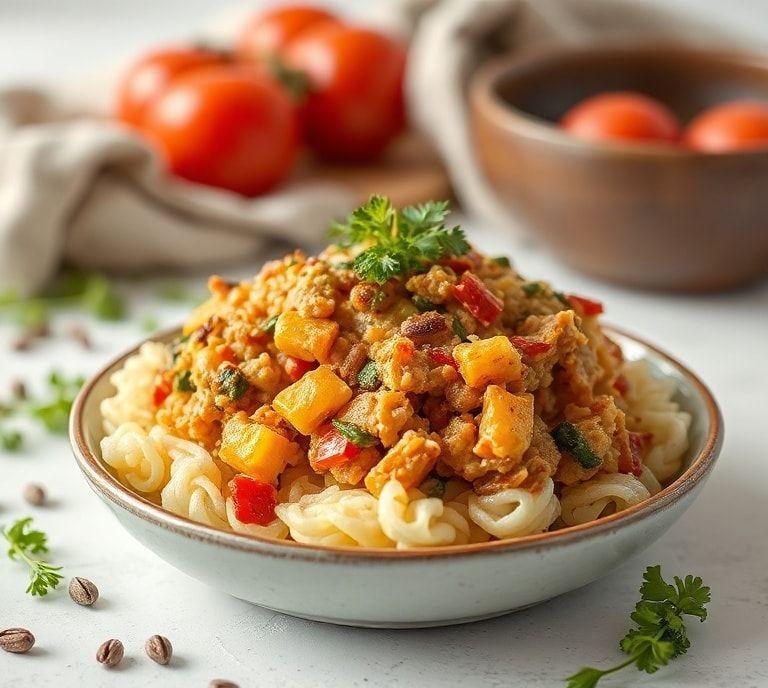
The heart of this recipe lies in the balance of flavors and textures. It’s not just about finding a replacement for the meat; it’s about bringing together ingredients that are just as satisfying on their own. The earthy mushrooms, savory herbs, and the soft, yet slightly crispy, bread combine into a dish that’s equal parts comfort and depth. It’s simple yet bold, warm yet fresh-truly the best of both worlds. You don’t need a deep fryer or fancy gadgets-just a few pantry staples and a little time.
This stuffing is perfect for a cozy dinner, a holiday feast, or even a Sunday meal that can serve as leftovers for days to come (if it even lasts that long).
Ingredients Needed
Now, let’s talk about what goes into this creation. Every ingredient has a specific role, and each one contributes to the overall richness of the dish.
- Stale Bread: About 6 cups of cubed bread (sourdough or a rustic French loaf works best). Don’t stress if you don’t have leftover bread, though; you can always dry it out in the oven. The bread serves as the base for the stuffing and soaks up all the flavors from the stock and herbs, giving it a chewy, satisfying bite.
- Mushrooms: I use about 2 cups of finely chopped mushrooms-shiitakes are my go-to, but button mushrooms or cremini are great options too. Mushrooms bring that meaty, umami flavor that really makes this dish sing.
- Carrots and Celery: These are the foundation of many a stuffing, adding crunch and sweetness. You’ll need one medium carrot and two celery stalks, finely chopped.
- Onions: Half a medium onion. It’s all about layering flavors, and the sweetness of sautéed onions balances the more earthy ingredients.
- Vegetable Broth: About 2 cups of good-quality vegetable broth. This is the liquid that’ll bind everything together, so don’t skimp on the flavor here.
- Herbs: A mix of thyme, sage, and rosemary. Fresh is ideal, but if dried is what you have, go ahead and use that-it just won’t have quite the same vibrancy.
- Butter and Olive Oil: A couple of tablespoons of each. Butter brings richness, while olive oil helps sauté everything to perfection. You can swap in vegan butter or just use oil if you’re aiming for a completely plant-based dish.
- Salt and Pepper: To taste-this will enhance all the natural flavors in your stuffing.
- Egg (optional): To bind everything together, one large egg usually does the trick, but you can skip it if you’re looking for a fully vegan version.
Cooking Instructions
- Preheat the Oven: Set your oven to 350°F (175°C). You’ll want it nice and toasty for when the stuffing is ready to bake.
- Prepare the Bread: If your bread is fresh, cut it into cubes and spread it out on a baking sheet. Pop it in the oven for about 10 minutes to dry it out. If it’s already stale, you can skip this step. The bread should feel slightly crunchy when you touch it.
- Sauté the Vegetables: In a large skillet, heat the butter and olive oil over medium heat. Add the onions, celery, and carrots. Sauté for 5-7 minutes, or until softened and fragrant. Then, throw in the mushrooms and cook them down for another 5 minutes until they’ve released their moisture and become tender.
- Combine the Ingredients: In a large mixing bowl, combine the cubed bread and sautéed veggies. Toss to mix well. Add the fresh herbs and salt and pepper to taste.
- Add the Broth: Slowly pour in the vegetable broth, stirring as you go. You want the bread to be moist but not swimming in liquid. Add more broth if needed. If you’re using an egg, whisk it and fold it in now-it’ll help everything hold together when baked.
- Transfer and Bake: Transfer the stuffing mixture to a lightly greased baking dish and spread it out evenly. Cover with foil and bake for 20-25 minutes. Then, remove the foil and bake for another 10-15 minutes until the top is golden and crispy.
Ingredient Science Spotlight
Let’s dive into the science behind some of these ingredients and why they work so well together.
- Bread: Bread, when used in stuffing, absorbs the moisture from the broth, creating the perfect soft, pillowy texture in the center while still maintaining a bit of a crispiness on the edges when baked. Stale bread works best because it’s less likely to turn mushy compared to fresh bread.
- Mushrooms: Mushrooms are a game-changer in vegetarian stuffing because of their meaty, umami-rich flavor. They’re also great at soaking up the flavors around them, making each bite a savory explosion. They provide a satisfying texture that mimics the hearty feel of meat.
- Herbs: The combination of sage, thyme, and rosemary gives the stuffing that quintessential Thanksgiving aroma. These herbs are loaded with essential oils that release intense fragrance and flavor when sautéed or baked, adding layers to the dish.
Expert Tips
- Dry Out Your Bread: This one’s important-moisture is key in stuffing, but too much moisture leads to a soggy mess. Drying out the bread helps it absorb the right amount of liquid.
- Use a Mix of Mushrooms: While I love shiitakes for their depth, a mix of mushrooms can provide a better balance of flavors. Try blending cremini, portobello, and oyster mushrooms for a complex taste.
- Don’t Skip the Resting Time: Let your stuffing rest for a few minutes after you take it out of the oven. This helps everything set, and you’ll have a firmer, more cohesive dish.
- Make it Ahead: Stuffing can easily be prepped the night before. Just store it in the fridge, then bake it the next day. It might even taste better after the flavors have had more time to meld together.
Recipe Variations
There’s a lot of room to get creative with this dish. Here are a few variations that I’ve tested and loved:
- Nuts and Fruit: Add chopped walnuts or pecans for crunch, or throw in some dried cranberries or apples for a sweet contrast to the savory mushrooms.
- Vegan Version: Swap in a plant-based butter and vegetable broth for a fully vegan-friendly dish. You can also leave out the egg and replace it with flaxseed meal or chia seeds mixed with water to help bind everything.
- Cheese Lovers: If you’re not concerned about making this a vegan dish, a little grated parmesan or sharp cheddar mixed in before baking adds a decadent flavor.
Final Words
This stuffing isn’t just an afterthought or a side dish; it’s the heart and soul of any vegetarian feast. It’s got layers of flavor, texture, and history wrapped into one. The mix of fresh herbs, earthy mushrooms, and rich bread is something you’ll want to revisit time and time again. Plus, it’s flexible enough to suit any dietary preference or special occasion.
FAQs
What Ingredients Are Typically Used In A Vegetarian Stuffing Recipe?
A vegetarian stuffing recipe typically includes bread cubes, vegetable broth, onions, celery, garlic, carrots, mushrooms, and various herbs such as sage, thyme, and rosemary. Some recipes may also include nuts like walnuts or pecans, dried fruits like cranberries, or cheese for added flavor.
Can I Make Stuffing Vegetarian Without Using Vegetable Broth?
Yes, you can substitute vegetable broth with other alternatives such as mushroom broth, or even water, if you prefer a lighter flavor. However, using broth will add depth and richness to the stuffing. If you don’t use broth, consider adding extra seasonings or sautéing the vegetables in olive oil or butter to enhance flavor.
How Do I Make Sure My Vegetarian Stuffing Doesn’t Turn Out Too Dry?
To prevent dry stuffing, ensure that your bread cubes are slightly stale before using them. This allows them to absorb moisture better. When adding liquid, be sure to pour it gradually, allowing the bread to absorb the liquid evenly. If the stuffing seems too dry, you can add more vegetable broth or water before baking, ensuring a moist texture.