I’ve always been fascinated by how food can bring people together, how it can tell stories of culture, history, and memory. One of the most comforting dishes I’ve come across is Sundubu Jjigae, a rich and spicy Korean stew that offers a warm embrace in a bowl. It’s the type of dish that fills the kitchen with a cozy, savory aroma, making everyone wonder, ’What”s cooking”?
For many, Sundubu Jjigae is a go-to comfort food. It’s typically made with tofu, vegetables, and a broth that’s bold yet nurturing. While the traditional version often includes seafood or meat, I’ve found that a vegetarian version can hold its own, offering a deep, hearty flavor that surprises even the most die-hard meat lovers.
If you’re looking for a comforting, flavor-packed dish that’s both satisfying and easy to make, then you’re in for a treat. Let’s dive into this vegetarian rendition of Sundubu Jjigae.
Sundubu Jjigae Vegetarian Recipe
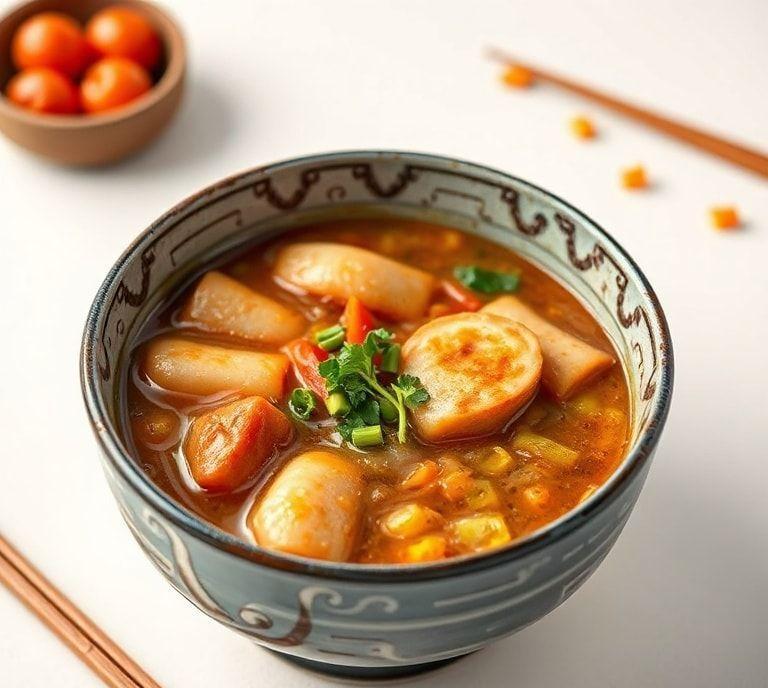
Sundubu Jjigae, with its silky tofu, spicy broth, and vibrant veggies, can easily be tailored to suit a plant-based lifestyle. It’s one of those dishes that’s deceptively simple but delivers so much flavor that it’s almost magical. I first encountered Sundubu Jjigae during a trip to Seoul a few years ago. A friend of mine, an old college roommate, had taken me to a cozy little restaurant tucked away in an alley near our hostel. The owner, an elderly woman, made the best vegetarian version I’d ever tasted-rich with miso and gochujang, and with a subtle hint of fermented flavors that lingered.
I was hooked, and from that moment, I knew I had to recreate that experience in my own kitchen.
Ingredients Needed
The beauty of Sundubu Jjigae lies in how adaptable it is, even when you’re keeping it vegetarian. Here’s what you’ll need to bring this dish to life:
- Soft or Silken Tofu (400g): The tofu is the star of the dish, offering a delicate, creamy texture that absorbs the flavors of the broth while maintaining its integrity.
- Vegetable Broth (2 cups): You can make this from scratch, but store-bought works just as well for a quick recipe. The broth forms the base of your stew and carries the essence of the dish.
- Sesame Oil (1 tbsp): This adds a nutty depth to the stew and helps to sauté your garlic and onions.
- Garlic (3 cloves, minced): Fresh garlic is essential for its aromatic bite. It forms the backbone of the stew’s flavor profile.
- Onion (1 medium, chopped): Sweet onions add a bit of sweetness that balances the heat.
- Gochugaru (1-2 tbsp): These Korean red pepper flakes add a smoky, spicy kick. Adjust according to your heat tolerance.
- Gochujang (1 tbsp): This fermented chili paste is a must for creating that signature rich, umami-filled flavor. It’s spicy but also subtly sweet.
- Soy Sauce (1 tbsp): For depth and a little salty punch.
- Zucchini (1 small, sliced): Adds a bit of texture and freshness.
- Mushrooms (1 cup, sliced): Shiitake or any kind of earthy mushroom will do. They provide umami and body to the stew.
- Scallions (2 stalks, chopped): These are both for garnish and an added layer of flavor.
- Salt (to taste): Enhances all the ingredients without overpowering them.
Cooking Instructions
Now that you’ve got all your ingredients ready, it’s time to get cooking.
- Prep the Tofu: Start by gently draining the tofu. You don’t want to press it too hard-just enough to get rid of excess water. Slice it into chunks, but don’t worry about making them perfect; they’ll soften and break apart a bit in the stew, which adds to the comforting texture.
- Sauté Aromatics: Heat up the sesame oil in a large pot over medium heat. Add your garlic and onions, sautéing them until fragrant and translucent. This is where the magic starts-those savory smells start to fill the kitchen and make you hungry already.
- Add Gochugaru & Gochujang: Stir in the gochugaru and gochujang, letting them bloom in the oil for a minute or two. This step helps release the full depth of their flavor, creating that perfect, spicy foundation for the broth.
- Simmer the Broth: Pour in your vegetable broth and bring it to a simmer. Add the soy sauce, zucchini, and mushrooms. Let everything cook together for about 5-7 minutes until the vegetables soften, and the broth becomes rich and flavorful.
- Add the Tofu: Gently add the tofu chunks to the pot, stirring carefully so as not to break them up too much. Let them cook in the broth for another 5 minutes or so, absorbing all the spicy goodness.
- Final Touches: Taste the stew and adjust seasoning if necessary. If you like it spicier, throw in an extra teaspoon of gochugaru or a dash more soy sauce for salt. Top with fresh chopped scallions and serve hot.
Ingredient Science Spotlight
Let’s take a moment to dive into the science behind some of these ingredients.
- Tofu: The silken tofu used in Sundubu Jjigae is made by curdling soy milk, a process very similar to cheesemaking. The resulting tofu has a much softer, creamier texture than regular tofu. It acts as a sponge for the savory broth, soaking up flavors without losing its smooth texture.
- Gochujang: This fermented chili paste is more than just spicy; it’s complex. The fermentation process adds an umami depth to the paste, which contributes to the stew’s rich, layered flavor. The fermentation also introduces beneficial probiotics, making it a bit of a gut-friendly ingredient.
- Sesame Oil: Beyond its aromatic contribution, sesame oil contains lignans, compounds that have been linked to various health benefits, including anti-inflammatory properties. It’s also packed with antioxidants, which help protect your body from oxidative stress.
Expert Tips
- Simmering Time: The key to an amazing Sundubu Jjigae is the simmering time. You don’t want to rush the process. Let the flavors meld together slowly, especially after adding the tofu. A longer simmer allows the tofu to soak in the spices and deepen the flavor.
- Use Homemade Broth: If you have the time, making your own vegetable broth will elevate the dish to another level. The depth of flavor from a well-made broth adds an unmatched richness to the stew.
- Adjust Spice Levels: If you’re not a fan of extreme spice, you can dial down the gochugaru and gochujang. Just remember, it’s the spice that gives this dish its signature warmth, so try not to go too mild!
Recipe Variations
Sundubu Jjigae is incredibly versatile. Here are a few ways you can tweak it based on what you have or what you’re in the mood for:
- Tofu & Tempeh Combo: For a protein boost, mix in some tempeh along with the tofu. The firm texture of tempeh provides a nice contrast to the soft tofu and complements the umami flavors of the broth.
- Miso Version: If you’re looking for an even deeper, umami-packed broth, add a tablespoon of miso paste along with the gochujang. This adds another layer of complexity and a savory, fermented flavor.
- Add Greens: For a bit of freshness, toss in some spinach, bok choy, or kale during the last few minutes of simmering. The greens will wilt perfectly into the broth and add color and nutrients.
Final Words
Making Sundubu Jjigae is more than just cooking-it’s about creating something that feels like home, even if you’re miles away from where you grew up. Each spoonful of this stew is like a little warm hug for your soul, and the best part is that it’s not hard to make at all. The combination of spicy, savory, and creamy flavors will make you feel as though you’ve been transported straight to a cozy Korean kitchen, where the air is filled with laughter and the comforting hum of sizzling pans.
FAQs
What Are The Key Ingredients In A Vegetarian Sundubu Jjigae?
The key ingredients in a vegetarian sundubu jjigae include soft tofu (sundubu), vegetables such as mushrooms, zucchini, and onions, garlic, Korean chili paste (gochujang), and soy sauce. The broth is typically made with vegetable stock or water, and you can enhance the flavor with gochugaru (Korean chili flakes) and a splash of sesame oil.
Can I Substitute The Tofu With Something Else In A Vegetarian Sundubu Jjigae?
Yes, while soft tofu is the traditional ingredient in sundubu jjigae, you can experiment with other plant-based protein sources like tempeh or seitan. However, these will alter the texture and flavor of the dish, as tofu provides a smooth and creamy consistency that complements the broth.
How Can I Make The Broth Spicier In A Vegetarian Sundubu Jjigae?
To make the broth spicier, you can increase the amount of gochujang (Korean chili paste) and gochugaru (Korean chili flakes) used in the recipe. If you prefer a more intense heat, adding fresh sliced chili peppers or a dash of chili oil can elevate the spiciness without affecting the overall flavor profile.