I’ll never forget the first time I made a sushi bowl. It was one of those late-night cravings that turned into a mini adventure in the kitchen. You know, when you’re hungry for something but don’t quite feel like taking the full sushi-making plunge, with all the rice vinegar and rolling mats and delicate slicing. I had some leftover rice, some veggies in the fridge, and a bit of that familiar sushi-inspired flavor longing. And just like that, the sushi bowl was born.
The beauty of a sushi bowl, especially the vegetarian version, is that it’s the perfect fusion of simplicity and sophistication. It’s the sushi experience without the meticulous rolling process, but it doesn’t skimp on any of the vibrant, fresh flavors that make sushi so delightful. It’s all about textures-the creamy avocado, the crunch of cucumber, the umami of tamari sauce-and the best part? You can customize it endlessly based on what you have on hand or what you’re in the mood for.
So, let’s dive into this sushi bowl recipe that’s as easy as it is delicious.
Sushi Bowl Vegetarian Recipe
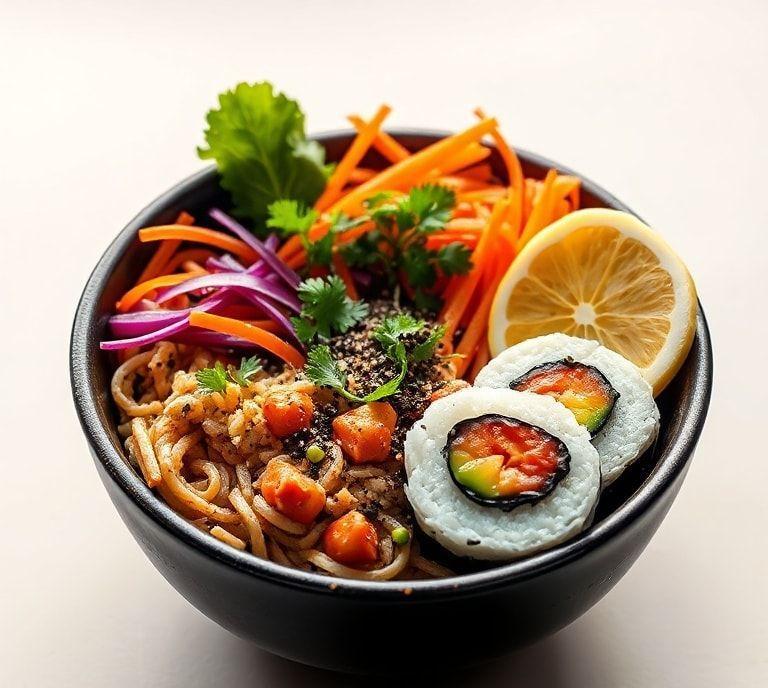
This sushi bowl is a great option if you want to get a little more creative than just your standard sushi roll but without losing the essence of what makes sushi so satisfying. It combines all the best ingredients-seasoned rice, fresh vegetables, and a flavorful sauce that ties it all together. And since it’s vegetarian, it’s perfect for anyone looking for a plant-based option that still packs a punch.
You can think of it as a sushi deconstructed, but made even more versatile. If you’re trying it out for the first time or are just looking for a new way to enjoy sushi without the hassle of rolling, this recipe is a winner.
Ingredients Needed
For the sushi bowl, I like to keep things fresh and vibrant, with a balance of textures that’ll keep you coming back for more. Here’s a basic list to get you started:
- 2 cups sushi rice (or short-grain rice, which gives that signature sticky texture)
- 1 avocado, sliced thinly for that creamy, indulgent bite
- 1 cucumber, julienned for crunch and freshness
- 1/2 cup shredded carrots, for a touch of sweetness and color
- 1/4 cup edamame, shelled, for a protein-packed boost
- 1 sheet nori, torn into small pieces, for a hint of ocean flavor
- Sesame seeds, toasted if you can (but regular will work too)
- Pickled ginger, for a tangy zing that balances the richness
- Soy sauce or tamari (for gluten-free), to drizzle over for that salty umami punch
- Rice vinegar (with a little sugar and salt), for the dressing
Optional (but highly recommended):
- Sriracha mayo or a drizzle of wasabi for some heat
- Tofu, grilled or pan-fried, for some extra texture and protein
- Scallions, chopped, for a bit of sharpness
- Mango, thinly sliced, for a burst of sweetness and a tropical twist
The beauty of a sushi bowl is how much flexibility you have to swap or add ingredients based on your preferences. Craving something more savory? Toss in some roasted mushrooms. Want a crunchy texture? Throw in some crispy tempura flakes or a few fried onions.
Cooking Instructions
Making the sushi bowl doesn’t require any fancy technique or equipment-just a little prep work and some creative assembly. Here’s how you can do it:
- Cook the Rice: Start by cooking your sushi rice according to the package instructions. Sushi rice is different from regular rice-it’s slightly sticky, which helps it hold together in the bowl. Once the rice is done, let it cool slightly. Mix a tablespoon of rice vinegar, a teaspoon of sugar, and a pinch of salt in a small bowl until dissolved, then stir it into the rice. This will give it that characteristic sushi flavor.
- Prepare the Veggies: While the rice is cooling, julienne the cucumber and shred the carrots. If you’re using edamame, steam or microwave them until tender. Slice the avocado and set aside.
- Assemble the Bowl: Take a large bowl and start with a base of the seasoned sushi rice. From here, you can begin to artfully arrange your toppings. Start with the avocado, cucumber, carrots, and edamame in separate sections to keep the colors vibrant and the textures distinct. Sprinkle the sesame seeds and nori over the top for added crunch and flavor. If you’re adding tofu, this is the time to place it on top as well.
- Dress the Bowl: Drizzle soy sauce or tamari over the entire bowl. Add a touch of sriracha mayo or wasabi if you like some heat, and top it off with a few slices of pickled ginger for that signature sushi bite.
- Optional Garnishes: A final sprinkle of toasted sesame seeds, a few chopped scallions, or a little extra sriracha mayo for an extra spicy kick-these are all great ways to elevate your sushi bowl even further.
Ingredient Science Spotlight
Let’s talk about the science behind some of these ingredients-because there’s more than just flavor at play here. Take the avocado, for example. It’s rich in monounsaturated fats, which help promote heart health and give the bowl that creamy texture. Plus, it’s packed with fiber, which helps with digestion. The edamame is a plant-based powerhouse, full of protein and fiber. This is great for vegetarians who want to get a hefty dose of both without the meat.
Nori, the seaweed, might not be something you think about much, but it’s loaded with iodine, which is vital for thyroid function. Plus, it’s got all kinds of antioxidants to help reduce inflammation and promote overall health. Not to mention, it’s delicious and adds that iconic sushi taste.
Then, there’s rice vinegar, which contains acetic acid-a compound that has been shown to help regulate blood sugar levels and improve digestion. The slight tang it adds to the rice isn’t just tasty, it’s a nod to its health benefits too.
Expert Tips
- Don’t overcook the rice: Sushi rice needs to be sticky, but not mushy. Keep an eye on it while cooking and be careful not to overcook it. It should hold its shape but have a slight tenderness when you bite into it.
- Season your rice while it’s warm: If you wait too long to add the rice vinegar mixture, the rice won’t absorb the flavors properly. Make sure the rice is still a little warm when you stir in the vinegar, sugar, and salt.
- Balance flavors: A sushi bowl is all about balance. The creaminess of the avocado needs the crunchy, fresh cucumber. The salty soy sauce or tamari should be balanced out by the sweet pickled ginger and slightly sour rice. Experiment with the ratios until it’s just right for you.
- Toppings, toppings, toppings: The toppings are where you can really personalize your sushi bowl. Add more veggies, drizzle on some extra sauce, or swap in something like roasted sweet potato or even mango for a twist.
Recipe Variations
The beauty of a sushi bowl is that it’s endlessly adaptable. Here are some variations to keep things interesting:
- Spicy Sushi Bowl: Add some sriracha sauce or spicy mayo on top of your bowl for a nice kick. You could also toss the veggies or tofu in some spicy sauce before assembling.
- Tempeh or Tofu Sushi Bowl: If you’re craving protein, try adding some crispy tempeh or tofu instead of edamame. Pan-fry it with a little soy sauce and garlic for extra flavor.
- Tropical Sushi Bowl: Throw in some mango or pineapple for a tropical twist that balances the umami flavors with a touch of sweetness.
- Bowl with Rice Paper: If you love the texture of rice paper but don’t want to go all out with sushi rolls, consider adding a few strips of rice paper for an interesting textural contrast.
Final Words
A sushi bowl is everything you love about sushi but without all the fuss of rolling it. It’s customizable, quick, and packed with flavors that make every bite an adventure. Plus, it’s a vegetarian-friendly option that can easily be adapted to suit almost any diet or taste preference.
FAQs
What Ingredients Are Typically Used In A Vegetarian Sushi Bowl?
A vegetarian sushi bowl usually includes a base of sushi rice or brown rice, combined with a variety of fresh vegetables such as cucumber, avocado, carrots, edamame, and radishes. Additional toppings can include pickled ginger, nori strips, sesame seeds, and optional protein sources like tofu or tempeh. Sauces such as soy sauce, spicy mayo made with vegan ingredients, or sesame dressing are commonly added for flavor.
How Can I Make The Sushi Rice Flavorful Without Using Fish Or Seafood?
To make sushi rice flavorful for a vegetarian bowl, cook the rice according to package instructions and then season it with a mixture of rice vinegar, sugar, and salt while the rice is still warm. Gently fold the seasoning into the rice to avoid mashing the grains. You can also add a touch of toasted sesame oil for extra aroma. This gives the rice a slightly tangy and savory flavor typical of traditional sushi without needing fish or seafood.
Can I Prepare A Vegetarian Sushi Bowl Ahead Of Time?
Yes, a vegetarian sushi bowl can be prepared ahead of time, but it is best to keep certain elements separate until serving to maintain freshness. Cooked and seasoned rice can be stored at room temperature for a few hours or refrigerated for up to a day. Vegetables can be pre-chopped and stored in airtight containers. Assemble the bowl just before serving and add any sauces or dressings at the last moment to prevent sogginess.