I’ve always believed that the best recipes are the ones that tell a story. They carry memories, evoke feelings, and bring people together around the table. One of my all-time favorites to whip up when I want something light, fresh, and bursting with flavor is tapenade. The name itself brings to mind sun-drenched Mediterranean afternoons, the kind of place where time seems to slow down, and everything tastes a little more vibrant.
I first encountered tapenade years ago when I was traveling through southern France. I was staying in a small village near Nice, and one evening, the host of the bed-and-breakfast I was at made us a simple dinner of bread, cheese, olives, and tapenade. It was one of those unforgettable meals, the kind that you savor in the moment and then spend years trying to recreate. The beauty of tapenade is that it’s rich with flavor yet incredibly versatile, perfect for spreading on crusty bread, serving alongside roasted vegetables, or even as a topping for pasta. And the best part? It’s vegetarian and easily customizable.
So, let me share with you my take on this classic dish-a vegetarian version that brings out all the tangy, briny goodness of olives, capers, and a hint of garlic. Whether you’re a seasoned cook or just starting to explore Mediterranean cuisine, this tapenade is an easy, delicious way to get a taste of the South of France in your own kitchen.
Tapenade Vegetarian Recipe
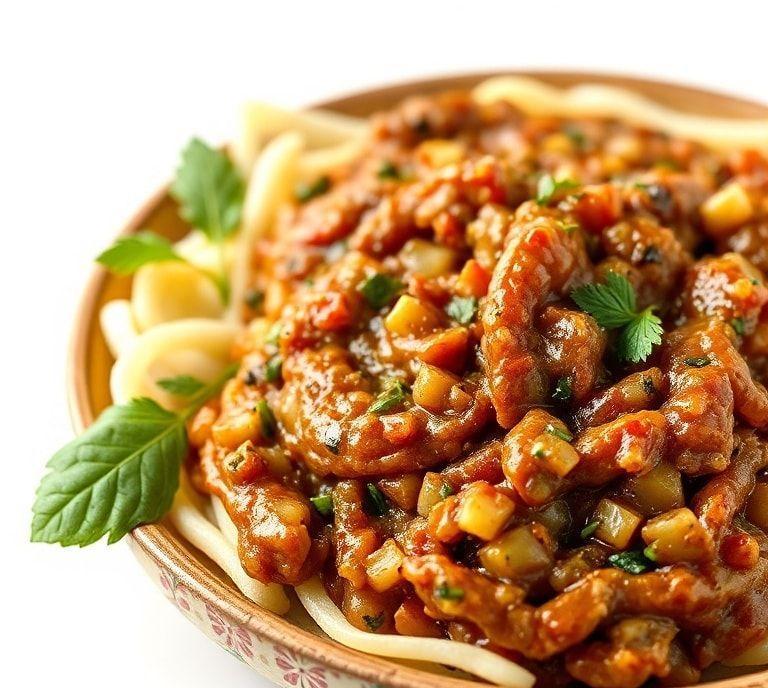
This tapenade is incredibly simple to make but packs a punch in terms of flavor. It takes only a handful of ingredients and a few minutes of your time. But despite its simplicity, the depth of flavor is astounding. It’s the kind of dish that makes you feel like you’ve been transported to a bustling French market, surrounded by vendors selling the freshest olives and aromatic herbs.
Ingredients Needed
Here’s what you’ll need for a basic tapenade:
- 1 cup of pitted olives (black or a mix of black and green, depending on your preference)
- 2 tablespoons of capers (these add the perfect briny kick)
- 2 cloves of garlic (because no Mediterranean dish is complete without garlic!)
- 2 tablespoons of extra virgin olive oil (this will bind everything together and add richness)
- 1 tablespoon of fresh lemon juice (for that touch of zesty freshness)
- 1 tablespoon of fresh herbs (rosemary or thyme work best, but basil can be fun too)
- A pinch of sea salt (adjust depending on how salty your olives and capers are)
- Freshly ground black pepper (for balance)
That’s it! The beauty of tapenade is in its simplicity. All the ingredients bring something to the table, and together they create a vibrant, umami-packed spread. You can adjust the proportions to taste, of course, but these are the basic building blocks.
Cooking Instructions
Making tapenade is almost embarrassingly easy. It’s the kind of dish that can be put together in just a few minutes, yet it always impresses guests. Here’s how you’ll do it:
- Prepare your ingredients: Start by making sure your olives are pitted, or if you’re using whole olives, remove the pits carefully. Finely chop your garlic, and roughly chop the fresh herbs. This doesn’t have to be perfect-you’ll be blending everything anyway, but having them at least loosely chopped helps.
- Blend: In a food processor or blender, combine the olives, capers, garlic, olive oil, lemon juice, and herbs. Pulse a few times until everything is finely chopped and well combined, but don’t overdo it. You want the tapenade to have a bit of texture.
- Season: Taste it, and adjust the seasoning. You might need a bit more lemon juice for acidity, more olive oil for smoothness, or a pinch of salt. Sometimes, I like to add a little extra pepper for a subtle heat.
- Serve: Spoon the tapenade into a small bowl. It’s great served immediately, but it can also benefit from a bit of resting time to allow the flavors to meld together. If you can wait, let it chill in the fridge for 30 minutes to an hour before serving.
This tapenade goes wonderfully with crusty bread, fresh vegetables, or even as an accompaniment to grilled fish or roasted meats. It also pairs nicely with cheese, especially something like a soft goat cheese or a firm Manchego.
Ingredient Science Spotlight
Now, let’s take a moment to really appreciate the ingredients that make this dish so special. There’s a lot going on in that little jar of olives and a few capers!
- Olives: Olives are the heart of tapenade. Rich in healthy fats, particularly monounsaturated fats, they’re a fantastic source of antioxidants, including vitamin E, which helps protect against oxidative stress. The olive’s briny, slightly bitter taste becomes a delicious counterpoint to the other ingredients, and when paired with olive oil, it’s an emblematic ingredient in Mediterranean cuisine. It’s also rich in oleuropein, a compound with anti-inflammatory properties.
- Capers: These little buds may be small, but they punch well above their weight. They’re packed with antioxidants, including flavonoids like quercetin, which can help reduce inflammation. They also have a distinctive, salty-sour flavor that perfectly balances the richness of olives and olive oil in the tapenade.
- Garlic: The garlic not only brings in a savory depth but also a dose of allicin, a compound that is often linked to heart health benefits. It’s the kind of ingredient that elevates any dish it touches, adding a savory, aromatic kick that’s unmistakable.
- Lemon Juice: The acid from the lemon cuts through the richness of the olives and oil, adding a refreshing brightness that keeps the tapenade from feeling too heavy.
Expert Tips
- Olive Varieties: While black olives are the traditional choice, don’t be afraid to experiment. Mixing in green olives can give the tapenade a more complex flavor profile, or you could try a combination of kalamata and green Castelvetrano olives for an earthy-sweet contrast.
- Texture: If you like your tapenade smoother, blend it longer. If you want it chunkier, pulse less and use a spatula to scrape down the sides so you maintain some texture.
- Add-ins: Want to kick it up a notch? A little anchovy paste can introduce a subtle, umami punch (without overwhelming the dish). Alternatively, for a spicy twist, add a tiny bit of red pepper flakes or some finely chopped sun-dried tomatoes.
- Storage: Tapenade keeps well in an airtight container in the fridge for up to a week. The flavors actually improve after a day or two, so it’s great for make-ahead entertaining.
Recipe Variations
While the classic tapenade is a simple combination of olives, capers, garlic, and olive oil, there are plenty of ways to make this dish your own.
- Nuts: Some tapenade recipes call for toasted nuts like almonds or pine nuts to add a rich, crunchy element. It can be a great variation if you want a bit of extra texture or flavor.
- Herbs: You can change up the herb mix. Instead of rosemary or thyme, try using basil or even mint for a different take on the flavor profile. A mix of fresh parsley and dill would also work beautifully for a lighter, fresher vibe.
- Spices: If you love bold flavors, add a touch of cumin or smoked paprika to give the tapenade a more earthy, smoky undertone.
- Roasted Red Pepper Tapenade: For a sweet and smoky version, blend in some roasted red peppers, which add a subtle sweetness and vibrant color.
Final Words
This tapenade is as much about the experience as it is about the food itself. The simplicity of it is its genius-just a few ingredients, a bit of chopping and blending, and you’ve got something that feels both rustic and sophisticated.
You can serve it as a quick appetizer before dinner, spread it on sandwiches for a Mediterranean twist, or add a spoonful to a salad for extra flavor. It’s one of those dishes that can transform a simple meal into something extraordinary with minimal effort.
FAQs
What Are The Main Ingredients In A Vegetarian Tapenade Recipe?
A traditional vegetarian tapenade typically includes olives (black or green), capers, garlic, olive oil, lemon juice, and herbs such as parsley or thyme. Some variations may include sun-dried tomatoes, roasted red peppers, or anchovies for additional flavor, although anchovies are omitted in a vegetarian version.
Can I Make Tapenade Without Using Olives?
While olives are the main ingredient in tapenade, you can experiment with substitutions like green or black beans, artichoke hearts, or roasted eggplant for a different taste. However, these substitutes may not fully capture the distinctive briny flavor of olives, which is essential to a classic tapenade.
How Can I Serve Vegetarian Tapenade?
Vegetarian tapenade is a versatile spread and can be served in various ways. It pairs well with crusty bread, crackers, or pita as an appetizer or snack. Additionally, it can be used as a topping for sandwiches, grilled vegetables, or even as a dip for fresh veggies. Some people also incorporate it into pasta dishes or as a condiment for roasted meats or tofu.