If you’ve ever found yourself craving something comforting yet exciting, you’ve likely come across the allure of Thai green curry. It’s the kind of dish that makes you feel like you’re sitting on a beach in Thailand, the sun warming your skin as you dig into a bowl of vibrant, spicy goodness. But what if you could make this taste explosion in your own kitchen, in a way that’s both hearty and vegetarian? That’s exactly what this recipe does-it captures all the complex flavors of a traditional Thai curry, with a fresh twist.
What’s beautiful about Thai green curry is that it blends contrasting flavors: the creamy richness of coconut milk, the sharpness of green chilies, and the savory undertones of garlic, ginger, and lemongrass. Throw in a few veggies for good measure, and you’ve got a dish that’s as satisfying as it is vibrant. Let’s dive into how you can make this delicious vegetarian version that’s bound to become a new favorite in your culinary repertoire.
Thai Curry Green Vegetarian Recipe
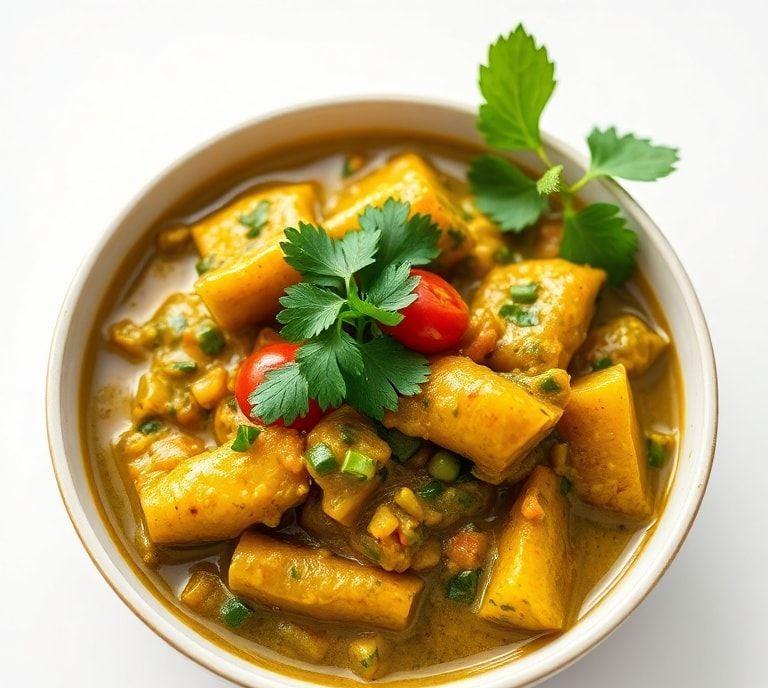
Before we even get into the cooking details, let’s talk about the essential element here-Thai green curry paste. It’s the magic sauce that ties everything together, creating layers of flavor that are nothing short of mesmerizing. The base paste itself is a blend of fresh ingredients like green chilies, lemongrass, garlic, and galangal, which gives it a fresh, sharp kick. The beauty of a vegetarian version is that it really allows the veggies to shine, soaking up all the fragrant curry paste and coconut milk, creating a harmony of textures and tastes.
This recipe isn’t difficult, but it does ask for a bit of patience. That’s where the magic happens. You’ll be layering flavors as you go along, slowly building up something that feels like it took hours to prepare, when in reality it just takes about 30 minutes. The result? A soul-warming dish that’s perfect for any season, whether it’s a chilly evening or a warm summer night.
Ingredients Needed
For a vegetarian green curry that truly sings, here’s what you’ll need:
-
For The Green Curry Paste
- 3-4 fresh green chilies (adjust to your spice preference)
- 2 stalks lemongrass, finely chopped
- 2-3 cloves garlic
- 1-inch piece of galangal (or ginger, if you can’t find galangal)
- Zest of 1 lime
- 1 tbsp cilantro stems (fresh or dried)
- 1 tbsp ground coriander
- 1 tsp ground cumin
- 1 tbsp soy sauce
- 1 tbsp vegetable oil (or coconut oil for extra flavor)
-
For The Curry
- 1 can (14 oz) coconut milk (full-fat for richness)
- 2 cups mixed vegetables (think bell peppers, carrots, zucchini, and baby corn)
- 1 medium onion, thinly sliced
- 1 cup firm tofu, cubed (or tempeh for a different texture)
- 1 cup vegetable broth or water
- 1 tbsp sugar (palm sugar if you have it)
- 1 tbsp soy sauce (or tamari for a gluten-free version)
- Fresh Thai basil (or regular basil if unavailable)
- 1 tbsp lime juice (to add brightness at the end)
- Optional garnish: sliced red chilies, fresh cilantro, or toasted sesame seeds.
Cooking Instructions
-
Make The Green Curry Paste
Start by making the green curry paste from scratch. In a mortar and pestle (or food processor), combine the green chilies, lemongrass, garlic, galangal, lime zest, cilantro stems, coriander, cumin, soy sauce, and vegetable oil. Pound or blend until you have a smooth, fragrant paste. Trust me, this step is where the magic begins. If you’ve never made curry paste from scratch before, the difference in flavor is beyond worth it.
-
Prepare The Veggies And Tofu
While your curry paste is ready to go, prep your veggies. Slice the onion, chop the carrots and zucchini into bite-sized pieces, and slice the bell peppers into strips. Cube your tofu and pat it dry to ensure it crisps up beautifully when cooking.
-
Sauté The Curry Paste
Heat a tablespoon of oil in a large pot or wok over medium heat. Add the green curry paste and sauté it for about 2-3 minutes, until it becomes fragrant and the oil starts to glisten. This step allows all those fresh ingredients to bloom and intensify.
-
Simmer The Curry
Pour in the coconut milk, followed by the vegetable broth or water. Stir well, then add the sliced onions, carrots, zucchini, and bell peppers. Let it simmer for about 10-15 minutes, until the vegetables are tender but still vibrant.
-
Add Tofu & Seasoning
Once the veggies are soft and the flavors have melded together, gently stir in the tofu, soy sauce, sugar, and lime juice. Taste and adjust the seasoning-if it needs a little more salt or spice, now’s the time to fix it.
-
Final Touches
Turn off the heat and stir in some fresh basil leaves (saving a few for garnish). Ladle the curry into bowls and garnish with more basil, a few slices of red chili, or a sprinkle of sesame seeds.
Ingredient Science Spotlight
The star of the show, the green curry paste, is an example of how different ingredients work together to build a balanced and complex flavor profile. Fresh green chilies bring heat, but it’s the lemongrass and galangal that contribute a sharp, citrusy undertone. Galangal, often compared to ginger, has a distinct, earthy flavor that’s hard to replicate, making it essential for a true Thai green curry experience.
The coconut milk is another fascinating ingredient. Its natural fats create a creamy base that counteracts the heat from the chilies, giving the curry a velvety texture. Plus, the coconut milk helps the curry paste dissolve, allowing all those aromatic spices to blend seamlessly.
The addition of tofu offers protein and texture, but it also soaks up the curry sauce beautifully. Tofu’s neutral flavor makes it an ideal vehicle for the rich, spicy, and tangy sauce you’ve created.
Expert Tips
- Customize Spice: The beauty of making your own curry paste is that you can adjust the spice level. If you’re cautious about the heat, remove some of the seeds from the chilies or use fewer of them. On the flip side, if you love a spicy kick, go wild.
- Don’t Skip the Lime: The addition of lime juice at the end isn’t just for flavor; it helps brighten up the entire dish, balancing out the richness of the coconut milk. Don’t skip it!
- Texture Matters: For a perfect veggie-to-tofu ratio, make sure the tofu is pressed and dried well before cooking it. This ensures a crispy, golden exterior while still being tender on the inside.
- Curry Paste Storage: If you end up with extra green curry paste (which is very likely), you can store it in the fridge for up to a week or freeze it for later use. Having this paste on hand makes for an easy weeknight meal!
Recipe Variations
This recipe is incredibly versatile. You can swap out veggies depending on what’s in season or what you prefer. Sweet potatoes, eggplant, broccoli, or peas would all work beautifully. For a more robust flavor, try adding a couple of kaffir lime leaves or a splash of tamarind paste.
You can also switch the tofu for tempeh if you prefer a nuttier, firmer texture. Or if you’re looking to make the dish heartier, add some rice noodles or serve it with steamed jasmine rice.
Final Words
What makes this recipe so appealing, beyond its amazing flavor, is the way it brings a little piece of Thailand into your own kitchen. With its balance of creamy, spicy, tangy, and savory flavors, it’s a dish that satisfies on every level. Whether you’re cooking for yourself, your family, or friends, it’s sure to impress.
FAQs
What Are The Essential Ingredients In A Thai Green Curry For Vegetarians?
The essential ingredients in a Thai green curry for vegetarians typically include coconut milk, green curry paste, tofu or vegetables (such as eggplant, bell peppers, zucchini, and bamboo shoots), Thai basil, lime leaves, and soy sauce or tamari for seasoning. The curry paste is usually made from green chilies, garlic, ginger, lemongrass, and other fresh herbs, creating a fragrant and spicy base for the dish.
Can I Make A Thai Green Curry Without Using Coconut Milk?
Yes, you can make a Thai green curry without coconut milk by substituting it with other plant-based milks, such as almond milk, soy milk, or oat milk. However, using a non-coconut milk will alter the flavor and texture, making it lighter and less creamy. To mimic the richness of coconut milk, you can also try adding a small amount of cashew cream or a nut butter such as almond butter.
How Can I Adjust The Spice Level In A Vegetarian Thai Green Curry?
To adjust the spice level in a vegetarian Thai green curry, you can either increase or decrease the amount of green curry paste you use. If you want a spicier dish, add more curry paste or fresh green chilies to the curry base. Conversely, to reduce the heat, use less curry paste or opt for a mild version of the green curry paste. Additionally, adding a bit of sugar, coconut milk, or other creamy ingredients will help balance out the spice.