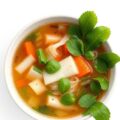
I’ve always been fascinated by how food has the power to transport us. It’s more than just nourishment-it’s culture, memories, and comfort wrapped in every bite. One of my favorite dishes that truly embodies all these elements is Thai soup. A simple yet incredibly rich experience, Thai soup is a perfect balance of flavors: spicy, sour, sweet, and salty, all swirling together in a bowl.
Now, as someone who’s spent more than a few hours experimenting in the kitchen, I’ve realized that there’s something magical about Thai vegetarian recipes. Not only do they offer a beautiful way to enjoy fresh vegetables, but the layers of herbs and spices create such complexity. Today, I’m sharing with you a vegetarian Thai soup recipe that’s just as satisfying as its meat-based counterparts, and it’s a dish that’s always at the top of my list when I want something vibrant, comforting, and light all at once.
Thai Soup Vegetarian Recipe

This vegetarian Thai soup is a symphony of flavors and textures. The broth is aromatic and rich, thanks to a blend of coconut milk and vegetable broth, which gives it a creamy, smooth base. The infusion of fresh herbs like lemongrass, kaffir lime leaves, and galangal gives it a distinctive, fragrant aroma that immediately brings to mind the bustling markets and street vendors of Thailand. And for the spice? A dash of chili brings just the right level of heat, while the lime juice offers a refreshing, tangy zing to balance everything out.
But what makes this recipe stand out is its simplicity. It doesn’t need to be complicated to be incredible. Whether you’re making it for yourself on a quiet evening or serving it to friends at a gathering, this vegetarian Thai soup is sure to be a hit.
Ingredients Needed
Here’s what you’ll need to bring this Thai soup to life:
- Vegetable broth – This forms the base of the soup. If you can, try making your own or choose a high-quality store-bought one that’s rich in flavor.
- Coconut milk – For that creamy, slightly sweet texture that blends so beautifully with the broth.
- Lemongrass stalks – Essential for that citrusy fragrance that’s so characteristic of Thai cooking.
- Galangal – If you can’t find galangal, ginger is a good substitute, though galangal has a sharper, more peppery flavor.
- Kaffir lime leaves – These are crucial for the unmistakable Thai flavor. They impart a fresh, zesty aroma.
- Thai bird’s eye chilies – These little guys pack a punch! Adjust the number to suit your heat tolerance.
- Mushrooms – Shiitake or oyster mushrooms work wonders here, adding earthiness and texture.
- Tofu – Firm tofu is a great addition for protein, soaking up the broth and adding a hearty bite.
- Lime juice – For that tangy, bright contrast to the rich coconut and broth base.
- Fish sauce (or soy sauce for a vegetarian alternative) – Adds that savory umami that ties everything together.
- Sugar – Just a touch to balance the flavors and create a rounded, sweet-salty contrast.
- Fresh herbs – Thai basil and cilantro are perfect for finishing the soup off with an aromatic burst.
Cooking Instructions
- Prepare the broth: In a large pot, bring your vegetable broth to a gentle simmer over medium heat. Add the lemongrass stalks, galangal slices, and kaffir lime leaves. These ingredients will infuse the broth with their fragrant oils, giving it that signature Thai aroma. Let this simmer for about 10-15 minutes. You’ll want the broth to be deeply infused with the flavors.
- Add the coconut milk: Stir in the coconut milk and bring the mixture back to a simmer. This is where the soup starts to get its creamy, smooth texture. The coconut milk will mellow out the sharpness of the herbs while adding a slight sweetness that balances the spices.
- Mushrooms and tofu: Add your sliced mushrooms and tofu cubes into the pot. Let everything cook together for another 5-7 minutes. The mushrooms will soften and release their flavor into the broth, and the tofu will absorb the savory liquid.
- Season it: Now, this is where you can start to fine-tune the flavors. Stir in the fish sauce (or soy sauce), lime juice, and sugar. Taste and adjust-maybe it needs a bit more lime juice for tang or a little more sugar to balance the heat from the chilies.
- Add the heat: Slice the bird’s eye chilies and drop them into the soup. If you prefer a milder flavor, you can remove the seeds or simply add fewer chilies.
- Finish with herbs: Just before serving, remove the pot from heat. Tear up some fresh cilantro and Thai basil leaves, and sprinkle them over the top. This adds a burst of freshness to the soup.
- Serve: Ladle the soup into bowls, ensuring everyone gets a good amount of tofu, mushrooms, and herbs. If you want, you can garnish with extra lime wedges on the side for a little extra zing.
Ingredient Science Spotlight
One of the things that makes this soup so magical is the combination of ingredients-especially the herbs. Let’s talk about lemongrass and galangal, two key ingredients in Thai cooking.
- Lemongrass has a strong citrusy flavor, but it’s not just about brightness. It has subtle notes of ginger and a slight earthiness, making it a perfect partner for the rich coconut milk. Lemongrass also has a calming effect on the digestive system, which makes this soup not only delicious but also soothing.
- Galangal, a cousin to ginger, has a sharper, more peppery taste with a touch of pine. It’s one of those flavors that’s hard to pinpoint at first but makes the whole dish feel elevated once you take a bite. Plus, galangal has anti-inflammatory properties, which makes this soup feel even more healing.
Expert Tips
- Balance is key: Thai soups are all about balancing sweet, salty, sour, and spicy. Don’t be afraid to tweak the amounts of lime juice, sugar, and chili until it feels just right for your palate.
- Make it ahead: Like many soups, this Thai soup actually gets better the longer it sits. You can make it a day ahead, and the flavors will continue to meld and intensify.
- Substitute ingredients: If you’re having trouble finding galangal or kaffir lime leaves, you can often find them at specialty Asian markets, but in a pinch, ginger and lime zest can be decent alternatives. It won’t be the exact same flavor, but it will still be delicious.
- Serving suggestions: This soup is great on its own but pairs beautifully with steamed jasmine rice or even a side of crispy spring rolls.
Recipe Variations
- Add more vegetables: If you’re craving more veggies, throw in some baby corn, carrots, or zucchini. These will add extra color, texture, and nutrition.
- Spicy option: If you’re someone who really enjoys a fiery kick, try adding a few more bird’s eye chilies or even a drizzle of chili oil at the end.
- Make it heartier: For a more filling soup, add some rice noodles. They’ll soak up the broth and make the dish more substantial without losing the essence of a light Thai soup.
- Herb twist: If you can find Thai mint or Vietnamese coriander, they can add a unique twist to the herbal flavor of the soup.
Final Words
This vegetarian Thai soup is one of those dishes that, when made right, will transport you to another place. Each spoonful has its own little story-of fresh ingredients, of time spent simmering, of a perfect balance of heat and refreshment. It’s comforting but invigorating, simple but rich. Whether you’re making it for a quiet dinner or a gathering, I promise it’ll make a lasting impression.
FAQs
What Are The Key Ingredients In A Vegetarian Thai Soup?
The key ingredients in a vegetarian Thai soup typically include vegetables like mushrooms, carrots, bell peppers, and baby corn, alongside tofu or tempeh for protein. The soup base is often made with coconut milk, vegetable broth, garlic, ginger, lemongrass, and lime leaves. Thai spices such as curry paste, turmeric, and chili are used for flavor, with a balance of sweet, sour, salty, and spicy elements.
Can I Make A Vegetarian Version Of Tom Yum Soup?
Yes, you can make a vegetarian version of Tom Yum soup by replacing the traditional fish sauce with soy sauce or tamari for a plant-based alternative. Additionally, you can use vegetable broth as the base instead of chicken broth, and add tofu or other plant-based protein sources instead of shrimp. The signature flavor profile of Tom Yum-spicy, sour, and aromatic-can still be achieved using ingredients like lime juice, lemongrass, galangal, and kaffir lime leaves.
How Can I Adjust The Spice Level In A Thai Vegetarian Soup?
The spice level in a Thai vegetarian soup can be adjusted by varying the amount of chili peppers or curry paste used. To make the soup milder, you can reduce the number of chili peppers or use a milder curry paste. For a spicier soup, add more chili peppers or a spicier curry paste, such as red or green curry paste. Additionally, you can balance the heat with a bit of sugar or coconut milk to tone down the spiciness.