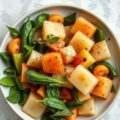
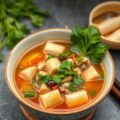
If you’ve ever wandered through the vibrant markets of Thailand, the air thick with the scent of fresh herbs, lemongrass, and spice, you’ll know that Thai cuisine is a world unto itself. It’s a delightful explosion of flavors-salty, sweet, sour, and spicy-always in perfect balance. But what happens when you want to experience the magic of Thai food without the meat? You explore the realm of Thai vegetarian cooking. I’ve spent countless evenings experimenting with these dishes, trying to capture that same depth of flavor, and trust me, it’s not only possible, but often just as satisfying.
Thai vegetarian recipes are so much more than just meatless versions of the originals. They honor the same complex layering of flavors-vibrant, fresh, and satisfying. They showcase the art of balancing tastes, all while keeping things light and incredibly nourishing. Here, I’ll share with you one of my all-time favorite Thai vegetarian recipes. You’ll find it full of all those ingredients that make Thai cuisine stand out: a tangy burst of lime, a hint of sweetness from coconut milk, and of course, that unmistakable heat.
Thai Vegetarian Recipe: Thai Green Curry With Tofu And Vegetables
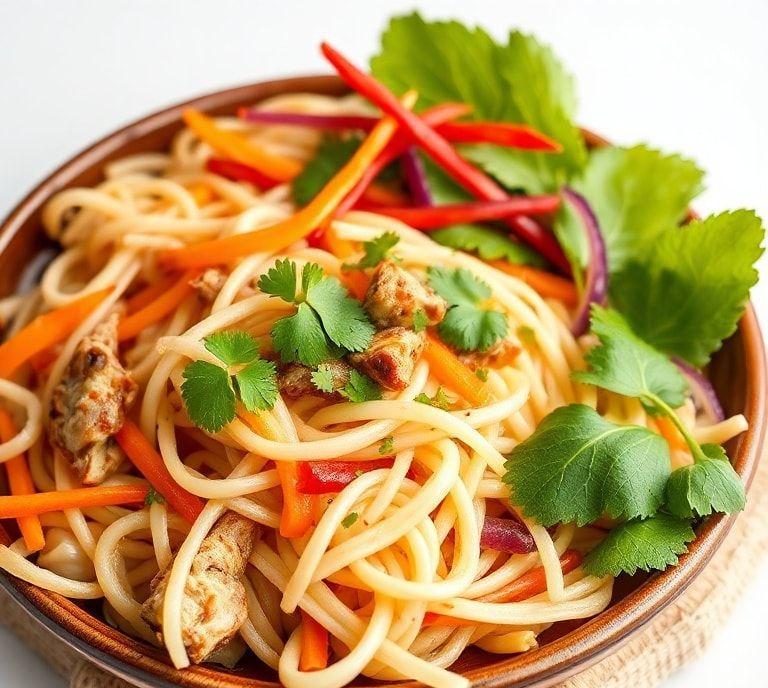
This Thai Green Curry is a perfect dish to dive into if you’re looking to create something that’s both aromatic and comforting, all while keeping things plant-based. It’s a rich, flavorful curry packed with tofu and seasonal vegetables, all swirled in a coconut milk base with a hint of spice. The beauty of this dish lies in how the curry paste and fresh herbs meld together, creating something that feels both luxurious and healthy at the same time.
Ingredients Needed
- Tofu – 1 block of firm tofu, drained and cubed
- Coconut milk – 1 can (400ml)
- Thai green curry paste – 3 tablespoons (or adjust to taste)
- Vegetable broth – 1 cup
- Carrots – 2, sliced
- Bell peppers – 2, chopped (I love using a mix of colors for the visual appeal)
- Zucchini – 1, sliced
- Baby corn – ½ cup
- Thai basil leaves – A handful (for garnish)
- Lemongrass stalk – 1, bruised and cut into sections
- Lime leaves – 3-4, torn for added fragrance
- Garlic – 3 cloves, minced
- Ginger – 1-inch piece, grated
- Soy sauce – 2 tablespoons (or tamari for a gluten-free version)
- Sugar – 1 teaspoon (to balance out the heat)
- Fresh lime – 1, juiced
- Chilies – 1 or 2, sliced (optional, depending on how much heat you like)
Cooking Instructions
- Prepare the tofu: Start by draining your tofu and pressing it to remove excess moisture. I’ve found the best way is to wrap it in a clean kitchen towel and place something heavy on top for about 15-20 minutes. This helps get that crisp texture on the outside while keeping it soft inside.
- Sauté the aromatics: Heat a tablespoon of oil in a large pan over medium heat. Add the minced garlic, grated ginger, and sliced chili (if using). Let them sizzle for a minute until fragrant-there’s something magical about this moment, when the kitchen starts to smell like you’re in a Thai street market.
- Add the curry paste: Stir in your green curry paste, allowing it to fry for 1-2 minutes. This step is where the curry paste releases its oils, infusing the dish with flavor. If you’ve ever made curry paste from scratch (which I highly recommend at some point), you’ll know how fragrant and potent it can get.
- Simmer the vegetables: Add in your carrots, bell peppers, zucchini, and baby corn, tossing them gently to coat them in the curry paste. Then pour in the vegetable broth and coconut milk. Stir everything together, letting it simmer for about 10 minutes, until the veggies are just tender.
- Cook the tofu: While the curry simmers, heat a bit of oil in a separate pan and fry the tofu cubes until golden brown on all sides. This gives the tofu a crispy texture that contrasts nicely with the creamy curry.
- Combine everything: Once the vegetables are tender, add the fried tofu into the curry. Add in the soy sauce, lime leaves, lemongrass, and a pinch of sugar. Let it all simmer for another 5-7 minutes, allowing the flavors to meld together. The result should be a fragrant, creamy curry with the perfect balance of spice and sweetness.
- Finish with lime and basil: Remove the curry from heat and stir in the lime juice. Taste for seasoning-add more soy sauce or lime if needed. Then garnish with a generous handful of Thai basil leaves before serving. This final touch adds freshness and a peppery kick.
Ingredient Science Spotlight
When you dive into Thai cooking, it’s essential to understand why certain ingredients play such a vital role. Take coconut milk, for instance. Its rich, fatty texture balances out the heat from the green curry paste, creating that signature creamy consistency. Beyond flavor, coconut milk also adds a subtle sweetness and a distinct fragrance that complements the earthier, more intense flavors of the curry.
Tofu is another interesting one. While it’s often overlooked, tofu is incredibly versatile and takes on the flavors of whatever it’s cooked with. Its high protein content makes it a wonderful meat substitute in vegetarian dishes, and its spongy texture is great at soaking up the curry sauce. Frying it beforehand helps create that satisfying crispy exterior.
Then there’s lemongrass-a key herb that brings a refreshing, citrusy note to the dish. It’s often bruised before being added to dishes, which helps release its essential oils and aromas, infusing everything with that distinct flavor that instantly transports you to Southeast Asia.
Expert Tips
- Make your own curry paste: If you have the time and ingredients, try making your own green curry paste. It takes some effort, but the flavor is unbeatable. Freshly ground spices, chilies, garlic, and lemongrass blended together pack a much more vibrant punch than store-bought versions.
- Adjust spice levels: The beauty of this recipe is that you can adjust the heat to your preference. Green curry paste can vary in heat, so taste it as you go. If you prefer it milder, you can add less paste or remove the chilies.
- Use seasonal veggies: The vegetables in this dish are flexible. You can swap out the zucchini for eggplant or add mushrooms, snap peas, or even sweet potatoes-whatever’s in season or what you’ve got on hand.
- Crisp up the tofu: For an extra crispy texture, press the tofu well to remove excess moisture and make sure to fry it at medium-high heat. This creates a satisfying contrast to the creamy curry.
Recipe Variations
- Thai Red Curry Version: If you prefer a spicier, more aromatic flavor, swap the green curry paste for red curry paste. Red curry tends to be more complex with a deeper, smoky flavor.
- Add Fresh Thai Herbs: For extra depth, try adding fresh Thai herbs like cilantro or mint in addition to basil. They add an extra layer of brightness and freshness.
- Coconut Sugar for Sweetness: If you’re looking for a more authentic, slightly caramelized sweetness, try coconut sugar instead of regular sugar. It complements the coconut milk beautifully.
Final Words
Cooking a Thai vegetarian dish, especially a curry, isn’t just about following a recipe-it’s about embracing the philosophy behind Thai cooking: balancing flavors, textures, and aromas in a way that excites the senses. I think that’s what makes Thai food so addictive, and why I come back to it time and time again.
With a simple combination of fresh vegetables, tofu, and those signature Thai ingredients, this green curry recipe offers a perfect way to enjoy the complexity of Thai cuisine without needing to rely on meat. It’s vibrant, satisfying, and full of the kind of flavors that linger long after the meal is finished.
FAQs
What Are The Essential Ingredients In A Thai Vegetarian Recipe?
Thai vegetarian recipes often feature fresh vegetables, herbs, and spices that are staples in Thai cuisine. Common ingredients include lemongrass, kaffir lime leaves, galangal, tofu, mushrooms, Thai basil, and a variety of fresh vegetables like eggplant, bell peppers, and carrots. Coconut milk, soy sauce, tamarind paste, and rice noodles are also frequently used to create flavorful dishes. These ingredients combine to give Thai vegetarian dishes their signature balance of spicy, sweet, sour, and salty flavors.
Can I Make A Vegetarian Version Of Traditional Thai Dishes Like Pad Thai Or Tom Yum?
Yes, you can easily make vegetarian versions of traditional Thai dishes like Pad Thai and Tom Yum. For Pad Thai, substitute shrimp or chicken with tofu or vegetables such as carrots, zucchini, and bean sprouts. In the case of Tom Yum, replace fish sauce and shrimp with vegetable broth and tofu or mushrooms for a plant-based option. Many Thai recipes are naturally adaptable to vegetarian diets by simply swapping animal products with plant-based alternatives while maintaining the balance of flavors.
How Do I Ensure My Thai Vegetarian Dishes Are Authentically Flavored?
To ensure your Thai vegetarian dishes are authentically flavored, focus on using fresh, high-quality ingredients and the right combination of herbs and spices. Key to authenticity is the use of fresh herbs like Thai basil, cilantro, and mint, as well as seasoning pastes or sauces like red or green curry paste, soy sauce, and coconut milk. Additionally, don’t overlook the importance of balancing the four main flavors of Thai cuisine: sweet, sour, salty, and spicy. Adjusting the level of chili peppers, lime juice, sugar, and soy sauce can help you achieve the perfect balance that is characteristic of Thai food.