Curry, in all its vibrant forms, has a magical way of making any meal feel like a cozy experience, full of comforting flavors and warming spices. Thai yellow curry, in particular, stands out with its rich, creamy texture and perfect balance of sweetness, heat, and fragrance. Growing up, I had my first taste of Thai yellow curry at a small street-side cafe in Bangkok, where the smells of sizzling spices and coconut milk mixed in the humid air. That dish was a revelation, and I’ve never looked at curry the same way since. It was a moment where food truly transported me, making me feel like I was in the heart of Thailand itself. This particular recipe is not only easy to make but also perfect for anyone craving the same comforting, aromatic dish without the need for meat. Whether you’re vegetarian or simply craving a plant-based meal, this curry recipe is all about highlighting the unique flavors of the vegetables, tofu, and the aromatic spices.
Thai Vegetarian Yellow Curry Recipe
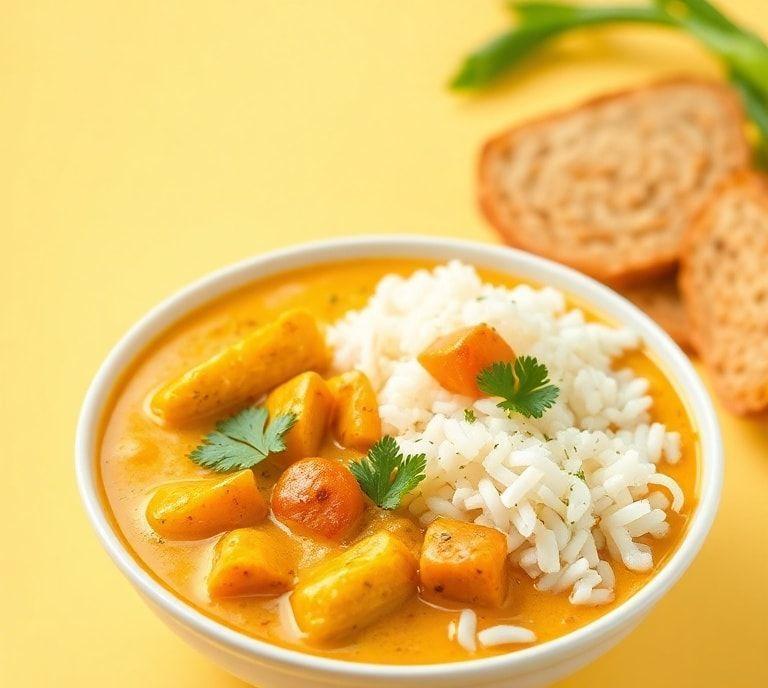
Creating a flavorful Thai yellow curry at home doesn’t require a lot of complicated steps. The beauty of this recipe lies in its simplicity-every ingredient contributes to the whole experience of depth and complexity. It’s a dish that brings together fresh vegetables, creamy coconut milk, a blend of spices, and a touch of sweetness, all simmering together to create something truly mouthwatering. The beauty of vegetarian Thai yellow curry is that the vegetables absorb all the flavors of the curry, enhancing their natural sweetness and giving the dish layers of complexity.
Here’s the recipe I’ve come to love:
Ingredients Needed
- 1 tablespoon vegetable oil – This will be used for sautéing the curry paste and onions.
- 1 onion, chopped – The onion is a base for the curry, adding sweetness and depth.
- 2 tablespoons yellow curry paste – This is the soul of your curry, packed with spices like turmeric, coriander, and cumin.
- 1 can (400ml) coconut milk – This is the creamy base that enriches the curry, creating a smooth texture.
- 1 large carrot, sliced – Carrots offer a slight sweetness and a bit of crunch, providing a perfect contrast to the creaminess of the curry.
- 1 medium potato, diced – Potatoes add heartiness to the curry, making it a satisfying meal.
- 1 bell pepper, sliced – Sweet bell peppers contribute both color and a mild, juicy flavor.
- 200g tofu, pressed and cubed – Tofu soaks up all the curry goodness, making it a protein-rich addition.
- 2 tablespoons soy sauce – For seasoning, balancing out the flavors.
- 1 tablespoon brown sugar – This adds a subtle sweetness that enhances the depth of the curry.
- 1 cup vegetable broth – A lighter base that helps thin the curry, ensuring it’s pourable without being too rich.
- Fresh cilantro for garnish – The cilantro gives a fresh, bright finish to the dish.
- Juice of 1 lime – Adds a zesty punch that cuts through the creaminess of the coconut milk.
Cooking Instructions
- Prepare the ingredients: Start by chopping your vegetables-carrots, potatoes, and bell peppers-and press your tofu to remove excess moisture. This step is important because it helps the tofu absorb the curry flavors better.
- Sauté the onions and curry paste: Heat the vegetable oil in a large pot over medium heat. Once the oil is hot, add the chopped onions. Sauté them for about 3-4 minutes until they become translucent and fragrant. Stir in the yellow curry paste and cook for another 2 minutes. You’ll want to let the paste toast slightly to release all those essential flavors.
- Add the coconut milk and broth: Pour in the coconut milk, followed by the vegetable broth. Stir well to combine everything. Bring it to a gentle simmer over low-medium heat. As the mixture heats up, the curry paste will dissolve into the liquid, creating a smooth and aromatic broth.
- Add vegetables and tofu: Add the diced potatoes, sliced carrots, and tofu cubes. Stir everything together and let it simmer for about 15 minutes, or until the potatoes and carrots are tender and the tofu is infused with flavor.
- Season the curry: Stir in the soy sauce and brown sugar, adjusting the seasoning to your taste. If you like your curry spicier, this is also the time to add some chili flakes or a bit of fresh chili.
- Finish and serve: Once the vegetables are tender, remove the curry from the heat. Squeeze in the juice of a lime to brighten up the flavors, and give everything one last gentle stir. Garnish with fresh cilantro before serving.
Serve your Thai vegetarian yellow curry over steamed rice or noodles, and you’ve got a wholesome, vibrant meal that will transport you straight to Thailand (or at least into the comforts of your own kitchen).
Ingredient Science Spotlight
Understanding the magic behind the ingredients can make the experience even more fascinating. Take coconut milk, for instance-its rich, velvety texture comes from its high-fat content, which gives the curry its creamy base. But beyond just taste, coconut milk adds a subtle sweetness and helps balance out the heat from the curry paste, making it a key player in achieving that perfect harmony of flavors.
Then there’s turmeric, which gives the curry its signature golden hue. Turmeric is a powerhouse when it comes to its health benefits, with compounds like curcumin that are believed to have anti-inflammatory properties. It’s also what gives the curry that earthy, slightly bitter undertone that contrasts so well with the sweetness of coconut milk and vegetables.
Soy sauce and brown sugar are also essential. The soy sauce adds a savory depth and umami richness, while the brown sugar rounds out the flavors, giving the curry a little extra sweetness to balance the heat and spice. This interplay between sweet, salty, and spicy is what makes Thai food so unique.
Expert Tips
- Make your own curry paste: If you have the time, creating your own yellow curry paste can elevate the dish to another level. Freshly ground spices like turmeric, coriander seeds, and cumin have much more potency than pre-made versions, and it’s an opportunity to tailor the flavors to your liking.
- Press tofu properly: If you’re using tofu, pressing it is key to getting that perfect texture. Wrap the tofu in a clean kitchen towel and place something heavy (like a cast iron skillet) on top for 15-20 minutes. This will remove excess moisture, ensuring the tofu soaks up more of the curry sauce.
- Experiment with different vegetables: While the recipe calls for carrots, potatoes, and bell peppers, feel free to swap in your favorite veggies. Sweet potatoes, eggplant, or even baby corn would work wonderfully in this curry.
Recipe Variations
- Spicy twist: If you’re a fan of heat, add some fresh Thai bird’s eye chilies or a teaspoon of chili paste to your curry to amp up the spice level.
- Nutty finish: For an added layer of flavor, toss in some roasted peanuts or cashews just before serving. The crunch and richness of the nuts complement the creamy curry beautifully.
- Protein options: While tofu is a classic choice, you can easily swap it out for tempeh or even chickpeas for an extra dose of protein.
Final Words
Thai vegetarian yellow curry is one of those dishes that’s truly a pleasure to make. The process itself feels comforting, as the fragrant aromas fill your kitchen. But beyond that, it’s a meal that reminds you how food can be both nourishing and soul-satisfying. And the best part? It’s infinitely customizable. Whether you’re cooking for yourself, a family, or friends, this dish is sure to leave everyone feeling happy and full.
FAQs
What Ingredients Are Essential For A Thai Vegetarian Yellow Curry?
The essential ingredients for a Thai vegetarian yellow curry include yellow curry paste, coconut milk, a variety of vegetables such as carrots, bell peppers, and potatoes, tofu or another plant-based protein, garlic, ginger, onions, and optional ingredients like lime juice, soy sauce, or sugar to balance flavors. Fresh herbs like cilantro or Thai basil can enhance the aroma and presentation.
How Do I Make A Thai Vegetarian Yellow Curry From Scratch?
To make a Thai vegetarian yellow curry from scratch, start by sautéing garlic, ginger, and onions in a bit of oil. Add yellow curry paste and cook briefly to release its flavors. Stir in coconut milk and bring to a gentle simmer. Add your vegetables and tofu, cooking until tender. Season with soy sauce, lime juice, and a pinch of sugar if needed. Finish with fresh herbs before serving over steamed rice or noodles.
Can I Adjust The Spice Level In Thai Vegetarian Yellow Curry?
Yes, the spice level in Thai vegetarian yellow curry can be adjusted. Yellow curry paste is generally milder than red or green curry pastes, but you can make it spicier by adding fresh chilies, chili flakes, or a small amount of hot curry paste. Conversely, for a milder version, use less curry paste and rely on coconut milk to soften the heat.