When you think of comfort food, it’s hard to overlook a dish that transcends generations-meatballs. The rich, savory, and sometimes tangy taste of a perfect meatball, nestled in a thick marinara sauce, can instantly transport you to a cozy family gathering or a charming Italian bistro. But what if you could experience that same heartwarming goodness without the meat? That’s where The Meatball Stoppe Vegetarian Meatball recipe comes in, a true game changer for those looking to explore plant-based meals without sacrificing flavor.
I’ve always been fascinated by how simple ingredients can come together to create something magical. And when I first came across The Meatball Stoppe, a restaurant known for its exceptional take on vegetarian meatballs, I knew I had to try my hand at recreating their version. It took some trial and error, but I finally nailed it-these meatballs are so satisfying, you might just forget they’re meat-free altogether.
What makes this recipe stand out is its approach to the classic. It doesn’t try to mimic the exact texture of meat; instead, it enhances the flavors of vegetables, beans, and grains in a way that’s deeply satisfying. If you’re hesitant about trying vegetarian alternatives, trust me, this recipe will change your mind. Let’s dive into how you can make these hearty vegetarian meatballs right at home.
The Meatball Stoppe Vegetarian Meatball Recipe
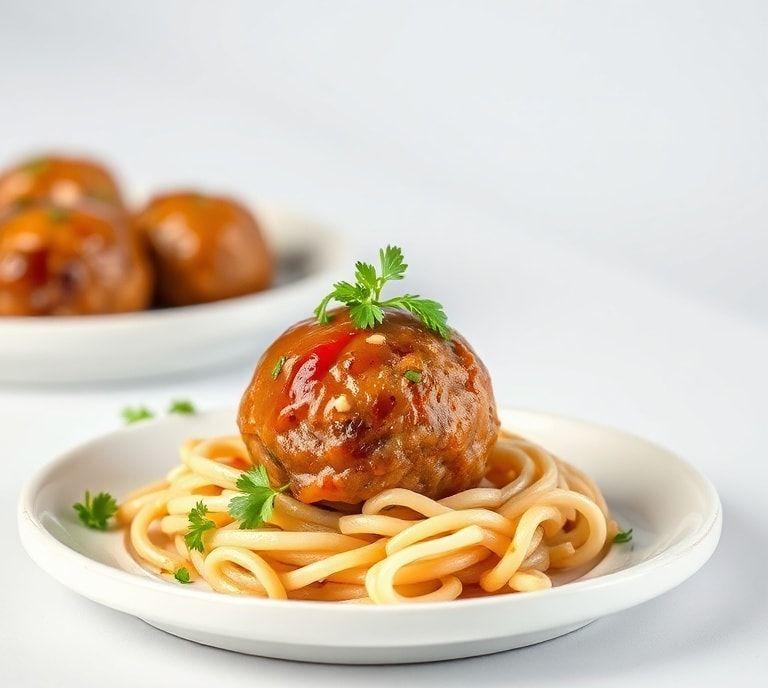
In creating this recipe, I wanted to capture the essence of what makes a meatball truly memorable: a balance of flavors, textures, and a satisfying bite. The key lies in using hearty ingredients like chickpeas, breadcrumbs, and a variety of spices, while adding a touch of umami from nutritional yeast. This gives the vegetarian meatballs a robust, savory depth. These are not your average veggie meatballs; they have a richness that feels like a classic comfort food, but with a plant-based twist.
Ingredients Needed
To make these vegetarian meatballs, you’ll need the following ingredients:
- 1 can of chickpeas (15 oz) – Chickpeas provide a sturdy base, offering both a creamy texture and enough structure to hold the meatballs together.
- 1/2 cup breadcrumbs – The breadcrumbs help give the meatballs their body and provide that lovely soft yet firm texture that meatballs are known for.
- 1/4 cup nutritional yeast – For that savory, cheesy flavor that makes you want to go back for more.
- 1/4 cup grated Parmesan (optional for vegan version) – A touch of Parmesan adds richness, but it’s completely optional if you prefer to keep things dairy-free.
- 1/2 cup grated zucchini – Zucchini adds moisture without making the meatballs too soft. It’s a secret weapon for texture.
- 1/4 cup finely chopped onions – Onions bring that familiar sweetness and depth to the flavor profile.
- 2 garlic cloves, minced – Because, let’s be honest, garlic is everything.
- 1 tablespoon ground flaxseeds mixed with 3 tablespoons water – This is your egg substitute. It binds everything together and helps create a firm, cohesive meatball.
- 1 tablespoon olive oil – To sauté the onions and garlic and give everything a nice, rich base.
- 1 teaspoon dried oregano – A classic herb that pairs beautifully with Mediterranean flavors.
- 1 teaspoon dried basil – Another herb that lifts the flavors in this dish and enhances the savory notes.
- 1/2 teaspoon salt – To enhance the flavors and bring the whole dish together.
- 1/4 teaspoon black pepper – A dash of pepper for that subtle kick.
For the sauce:
- 2 cups marinara sauce – Store-bought or homemade, it doesn’t matter. Just make sure it’s flavorful.
Cooking Instructions
- Preheat your oven to 375°F (190°C). Line a baking sheet with parchment paper for easy cleanup.
- Prepare the flax egg: In a small bowl, combine the ground flaxseeds and water. Stir and let it sit for about 5 minutes until it thickens up.
- Sauté the vegetables: Heat a tablespoon of olive oil in a pan over medium heat. Add the chopped onions and sauté for 4-5 minutes until they’re translucent and fragrant. Add the minced garlic and cook for another minute until it becomes aromatic. Remove from heat.
- Mash the chickpeas: In a large bowl, mash the chickpeas using a potato masher or fork. It’s okay if there are some chunky bits; you want a bit of texture in your meatballs.
- Mix everything together: To the mashed chickpeas, add the breadcrumbs, nutritional yeast, grated zucchini, sautéed onions and garlic, flax egg, oregano, basil, salt, and pepper. Stir everything together until it’s well combined.
- Form the meatballs: Using your hands, scoop out about 2 tablespoons of the mixture at a time and roll them into balls. Place them on the prepared baking sheet.
- Bake the meatballs: Bake for 20-25 minutes, flipping them halfway through, until the meatballs are golden brown and firm to the touch.
- Simmer in marinara sauce: Heat your marinara sauce in a large skillet over medium heat. Once the meatballs are done baking, gently transfer them into the simmering sauce. Let them cook for an additional 10-15 minutes so they can absorb all the savory goodness of the sauce.
Ingredient Science Spotlight
One of the key components in this recipe is the flax egg, which is a perfect example of how plant-based ingredients can mimic the function of eggs in traditional recipes. Flaxseeds are rich in omega-3 fatty acids and fiber, and when mixed with water, they form a gel-like consistency that helps bind ingredients together. This is an example of how plant-based cooking often relies on the natural properties of foods to achieve the same results as animal-based ingredients.
The chickpeas, on the other hand, are a great source of protein and fiber. They give the meatballs their hearty texture and are a wonderful base for creating plant-based dishes. The combination of chickpeas and breadcrumbs creates a balanced mouthfeel, ensuring that each bite is satisfying and full of flavor.
Expert Tips
- Don’t skip the flax egg: It might seem like a minor ingredient, but it truly helps bind the meatballs together, giving them structure without the need for eggs. If you don’t have flaxseeds, chia seeds can work as a substitute.
- Grate the zucchini well: Zucchini can release a lot of moisture, so make sure to squeeze out any excess water before adding it to the mix. This ensures that your meatballs aren’t too soggy.
- Use your hands to mix: I find that mixing everything together with your hands helps the ingredients come together better than using a spoon. It also allows you to feel the texture and adjust the consistency if needed.
- Flavor development: Letting the meatballs sit in the marinara sauce after baking helps the flavors meld together. It makes a huge difference in the overall taste.
Recipe Variations
- Add mushrooms: For a meatier texture, you can add finely chopped mushrooms to the mixture. They’ll give the meatballs an earthier, deeper flavor.
- Swap chickpeas for lentils: If you’re looking for a different flavor profile, you can replace the chickpeas with cooked lentils. Lentils have a great texture and pair wonderfully with the spices in this recipe.
- Spicy twist: For a bit of heat, add a pinch of red pepper flakes or a diced fresh chili to the mix. It gives the meatballs a nice kick that contrasts with the richness of the marinara sauce.
- Use different herbs: Experiment with fresh or dried thyme, rosemary, or parsley instead of oregano and basil to create a unique flavor combination.
Final Words
What I love most about this recipe is how flexible it is. You can make it your own by adjusting the flavors and textures to suit your tastes. Whether you’re cooking for yourself or for a crowd, these vegetarian meatballs will be a hit, proving that plant-based dishes don’t have to compromise on flavor or satisfaction.
FAQs
What Ingredients Are Used In The Meatball Stoppe Vegetarian Meatball Recipe?
The Meatball Stoppe vegetarian meatball recipe typically includes a combination of breadcrumbs, sautéed vegetables (such as onions, garlic, and mushrooms), eggs (or an egg substitute for vegan versions), grated Parmesan cheese, fresh herbs, and a variety of seasonings like salt, pepper, and Italian seasoning. Some variations may include additional ingredients like ricotta cheese or lentils for extra texture and protein.
How Can I Make The Meatball Stoppe Vegetarian Meatballs Gluten-free?
To make The Meatball Stoppe vegetarian meatballs gluten-free, simply substitute the regular breadcrumbs with gluten-free breadcrumbs or use ground oats. Additionally, ensure that the seasonings and other ingredients used are gluten-free. You can also opt for a gluten-free flour blend if a binding agent is needed. Make sure to check for hidden gluten in other ingredients like sauces or pre-packaged items.
Can The Meatball Stoppe Vegetarian Meatballs Be Frozen For Later Use?
Yes, The Meatball Stoppe vegetarian meatballs can be frozen. After forming the meatballs, place them on a baking sheet lined with parchment paper and freeze them individually. Once frozen, transfer them to an airtight container or freezer bag. They can be stored in the freezer for up to 3 months. To cook, simply bake them from frozen, adding extra time if needed, or thaw and cook them as usual.