A hot bowl of Tom Yum soup is like an instant mood-lifter. You know that feeling when you’re hit with the perfect balance of sour, spicy, and savory all at once? It’s something I always crave-especially on a chilly evening or when I want to treat myself to something bold and flavorful. And while the classic Tom Yum soup is often made with shrimp or chicken, I’ve come to appreciate the beauty of a vegetarian version. It captures all the depth of the traditional recipe but with a lighter, plant-based twist.
Let me take you through my version of Tom Yum Vegetarian Soup, a recipe that has warmed me on many a rainy day. It’s an easy-to-make, vibrant soup that packs a punch without being too complicated to prepare. Whether you’re vegetarian or just looking to try something new, I promise this will become a go-to recipe in your kitchen.
Tom Yum Vegetarian Recipe
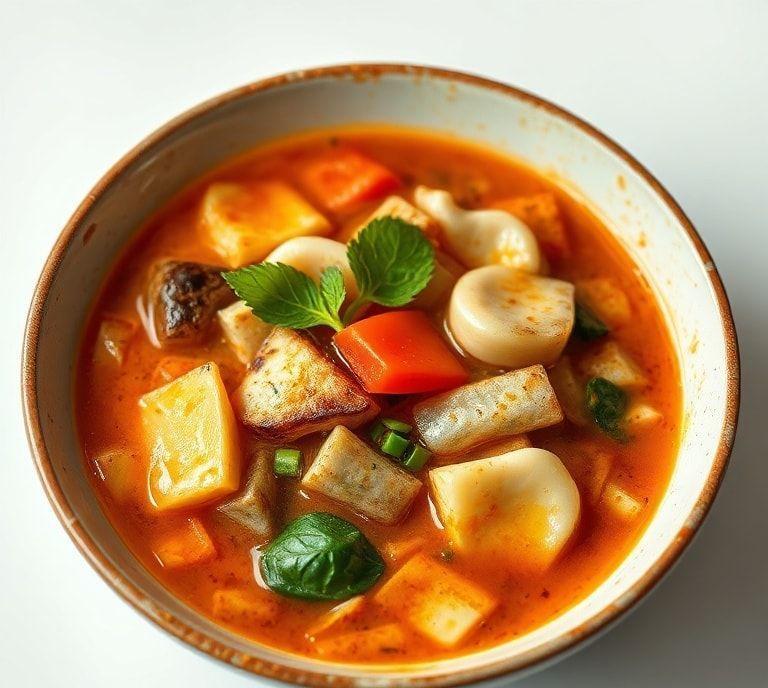
This vegetarian take on Tom Yum offers everything you love about the original. It’s fragrant, tangy, spicy, and all around comforting. I first discovered it while trying to reduce my meat consumption, but honestly, it quickly became something I craved even when I wasn’t actively going meatless. There’s something about the aromatic herbs and the deep, earthy broth that hits just right.
Here’s my take on it:
Ingredients Needed
For the base of the soup, you’ll need a variety of fresh herbs and vegetables that come together in a delightful, fragrant broth. Here’s a breakdown:
- Vegetable stock: This is your base, so be sure to pick a good one. I prefer making my own, but store-bought works in a pinch.
- Lemongrass: This fragrant herb adds a citrusy, slightly floral flavor. It’s a must for an authentic Tom Yum taste.
- Kaffir lime leaves: If you can’t find fresh, dried will do. They provide that signature lime zing.
- Galangal: Often mistaken for ginger, it’s less spicy and more fragrant. If you can’t find it, fresh ginger is a decent substitute.
- Thai bird’s eye chilies: The heat here is real, but it’s balanced by the rest of the ingredients. You can adjust the heat to your liking.
- Tofu: I use firm tofu, cubed, to add protein and a silky texture that contrasts beautifully with the sharp broth.
- Mushrooms: I love using a mix-shiitake or oyster mushrooms work great to add an earthy richness.
- Tomatoes: A couple of ripe tomatoes balance the acidity and add a bit of sweetness to the soup.
- Lime juice: Fresh lime juice at the end brightens everything up and ties the soup together.
- Soy sauce or tamari: For saltiness, without the need for fish sauce (which is typically used in Tom Yum).
- Coriander (cilantro): A sprinkle at the end gives the soup a fresh, herbal note.
Cooking Instructions
- Prepare the ingredients: Start by slicing the lemongrass into pieces and lightly smashing it with the back of a knife to release its oils. Do the same with the galangal. Tear the kaffir lime leaves into pieces to help them release their fragrance. Slice the mushrooms and chop the tomatoes into wedges.
- Cook the broth: In a large pot, bring your vegetable stock to a simmer. Add the lemongrass, galangal, kaffir lime leaves, and bird’s eye chilies. Let it simmer for about 10-15 minutes so that the flavors infuse the stock. This is when your kitchen will start smelling incredible.
- Add the vegetables: Toss in the mushrooms, tomatoes, and tofu cubes. Let them cook for about 5-7 minutes. The tofu will absorb all those delicious flavors, while the mushrooms get tender.
- Season the soup: Now, add soy sauce to taste (about 1-2 tablespoons should be enough) and a generous squeeze of fresh lime juice. Taste the broth, and if you want more heat, you can crush some of those bird’s eye chilies into the soup.
- Finish it off: Once everything’s cooked and the flavors are balanced to your liking, remove the soup from the heat. Stir in fresh coriander for that burst of green.
- Serve: Ladle the soup into bowls and top with a little extra lime juice and coriander, if desired. If you want to kick it up a notch, serve it with a side of steamed jasmine rice or some crispy spring rolls.
Ingredient Science Spotlight
What makes Tom Yum stand out among other soups is the way it balances acidity, heat, and aromatic herbs.
- Lemongrass and Kaffir Lime Leaves: These ingredients are central to Tom Yum’s aromatic profile. Lemongrass has a citrusy note with a subtle floral scent, while kaffir lime leaves bring that unmistakable lime fragrance. Both are incredibly aromatic and make the soup feel like it’s bursting with freshness.
- Galangal vs. Ginger: Galangal looks like ginger but has a distinct, sharp, slightly piney flavor. It’s the flavor that gives Tom Yum its signature depth, contrasting beautifully with the tangy lime and spicy chilies.
- Bird’s Eye Chilies: These tiny little chilis bring a serious punch. They’re much hotter than other chili varieties, but in Tom Yum, the heat isn’t the overwhelming factor. It’s just another layer, blending seamlessly with the other flavors.
Expert Tips
- Don’t skimp on the herbs: The fresh herbs are what really make the soup sing. The longer the stock simmers with them, the better it will taste, so be patient.
- Tofu tips: If you want a firmer texture in your tofu, press it before cooking. This removes extra moisture and allows it to absorb more flavor from the broth.
- Adjust the heat: If you’re not a fan of super spicy food, reduce the amount of bird’s eye chilies or remove them after cooking to control the heat level. You can also opt for milder chilis like jalapeños or serranos for a gentler kick.
- Balance the sourness: Depending on the lime you use, you might need to adjust the lime juice a little. It’s all about balancing the sourness to complement the heat and savory elements.
Recipe Variations
While I adore the classic vegetarian Tom Yum, there are some delicious variations you can try:
- Tom Yum with Coconut Milk: Add a can of full-fat coconut milk for a creamier, richer broth. The coconut milk will soften the heat and add a silky texture to the soup. This version is sometimes called “Tom Kha”.
- Add More Veggies: You can pack in extra vegetables like baby corn, carrots, or even spinach for some added nutrition and texture. These will hold up well in the hot broth.
- Protein Options: If you want to try a different protein source, tempeh is a great alternative to tofu. It has a firmer, nuttier texture that holds up well in soup.
Final Words
Tom Yum Vegetarian Soup has a magic to it-there’s something so satisfying about the way the heat from the chilies mingles with the tang of lime, all wrapped in the aromatic, herbal broth. It’s a wonderful example of how plant-based ingredients can deliver on the bold, punchy flavors that traditional dishes are known for. It’s a light soup but somehow packs so much depth and comfort.
FAQs
What Are The Key Ingredients In A Vegetarian Tom Yum Soup?
A vegetarian Tom Yum soup typically includes ingredients like mushrooms, tofu, lemongrass, kaffir lime leaves, galangal, Thai bird’s eye chilies, lime juice, and soy sauce for the broth. These ingredients are combined to create the signature spicy, sour, and aromatic flavors of the dish, while replacing the traditional shrimp or chicken with plant-based alternatives like mushrooms or tofu.
Can I Make A Vegan Version Of Tom Yum Vegetarian Soup?
Yes, you can easily make a vegan version of Tom Yum vegetarian soup. Simply substitute any non-vegan ingredients like fish sauce with plant-based alternatives such as soy sauce or tamari. Ensure that the vegetable stock used is vegan-friendly, and you can also use coconut milk for added richness instead of any dairy-based ingredients.
How Can I Adjust The Spice Level Of Vegetarian Tom Yum Soup?
To adjust the spice level of vegetarian Tom Yum soup, you can control the number of Thai bird’s eye chilies added to the broth. If you prefer a milder soup, start with one chili and gradually add more to taste. Alternatively, you can remove the seeds from the chilies to reduce the heat while still maintaining their flavor. For an even milder option, you can substitute bird’s eye chilies with less spicy chili varieties.