If you’ve ever walked down a busy street in South Korea, chances are you’ve passed by a tteokbokki cart, the air rich with the sweet and spicy aroma of rice cakes simmering in a bubbling, red sauce. This dish, beloved by Koreans and admired worldwide, holds a special place in my heart. I’ve spent countless evenings with friends, sitting at tiny tables, savoring steaming plates of tteokbokki as the world hummed around us. There’s something about its comfort and bold flavors that brings people together, even if they can’t speak the same language.
When I first tried it, I was taken aback by how simple yet addictive it was. The chewy rice cakes (or tteok) paired with a savory, spicy sauce just felt like the ultimate cozy meal. Over time, I began experimenting with different recipes, and here’s one I’ve really fallen in love with – a vegetarian version that still packs that same punch of flavor. It’s comforting, satisfying, and perfect for anyone looking to enjoy a classic without any meat.
Tteokbokki Vegetarian Recipe
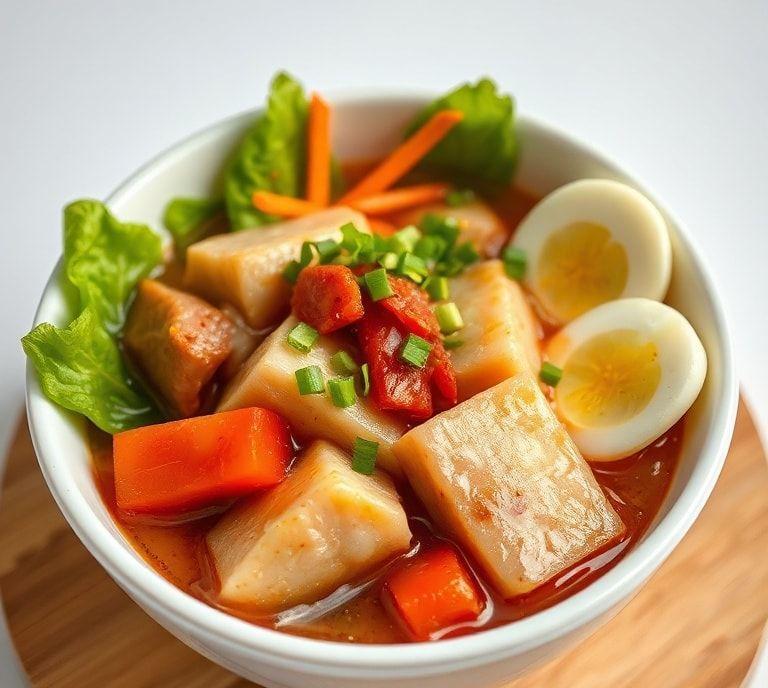
This vegetarian take on tteokbokki holds onto all the essentials of the original but swaps out the meat-based ingredients for plant-based alternatives. It’s spicy, slightly sweet, and the chewy texture of the rice cakes is just as satisfying. Whether you’re a long-time lover of Korean cuisine or someone who’s new to the dish, this recipe makes it easy to bring a little taste of Korea into your home.
Ingredients Needed
Here’s what you’ll need for this vegetarian tteokbokki. It may seem like a long list, but trust me, once you gather everything, it’s a breeze to whip together.
- Rice Cakes (tteok): The key ingredient! Look for chewy, cylindrical rice cakes (not the crispy, crunchy ones). You can find these in Asian grocery stores or online.
- Gochujang (Korean chili paste): This is the star of the dish. It’s a thick, savory-sweet paste made from fermented soybeans and chili peppers. The heat here is balanced with a deep umami flavor.
- Gochugaru (Korean chili flakes): For that extra kick! It’s not as intense as gochujang but adds a smoky, bright heat.
- Soy Sauce: To deepen the flavor and give that savory richness.
- Maple Syrup or Agave Nectar: For a touch of sweetness to balance out the heat and tang from the gochujang.
- Vegetable Broth: You can use water, but vegetable broth will add more depth and richness to the sauce.
- Garlic: Fresh garlic, minced finely. It’s the heart of the sauce’s flavor profile.
- Onions: Yellow onions work best in this dish, though you could also go for shallots if you want a milder, sweeter flavor.
- Tofu (optional): This is for a protein boost. I love to use firm tofu, lightly pan-fried to add texture and flavor.
- Green Onion: To garnish, adding a pop of color and a slight oniony bite.
- Sesame Seeds: For crunch and a slight nutty taste.
- Sesame Oil: Just a drizzle at the end to give a wonderful fragrance to the dish.
Cooking Instructions
Now for the fun part! Cooking tteokbokki is relatively simple, and in less than 30 minutes, you’ll have a plate of delicious, spicy rice cakes ready to devour. Here’s how:
- Prep the rice cakes: If your rice cakes are dried or frozen, soak them in warm water for 20-30 minutes. If they’re fresh, you can skip this step.
- Make the sauce: In a medium pot, combine the gochujang, gochugaru, soy sauce, maple syrup, and minced garlic. Add in the vegetable broth and bring it to a simmer over medium heat. Stir occasionally to prevent burning. Let it bubble away for about 5 minutes, allowing all the flavors to meld together into a rich, spicy-sweet sauce.
- Add the rice cakes: Once the sauce is ready, add your soaked rice cakes to the pot. Stir to coat them in the sauce and let them cook for 10-15 minutes. As they simmer, they’ll soak up the sauce and become delightfully chewy.
- Pan-fry the tofu (optional): If you’re adding tofu, while the rice cakes are cooking, heat a little oil in a pan and pan-fry the tofu cubes until golden and crispy on the outside. Add them to the pot when the rice cakes are done.
- Finish the dish: Once the rice cakes are tender and the sauce has thickened to your liking, remove the pot from the heat. Drizzle a little sesame oil over the top for added flavor.
- Garnish and serve: Transfer your tteokbokki to a plate or bowl, garnish with sliced green onions and sesame seeds, and serve piping hot.
Ingredient Science Spotlight
One of the most fascinating parts of tteokbokki is how its ingredients come together to create such a distinct flavor profile. Let’s dive a little deeper into some of the key components:
- Gochujang (Korean Chili Paste): This fermented paste isn’t just spicy; it’s a wonderful balance of sweet, salty, and umami. The fermentation process adds complexity and depth to the dish, while the chili peppers give it a fiery kick. Gochujang is full of capsaicin, the compound that makes it spicy, but it also has amino acids from the fermentation process, which gives it a savory quality.
- Rice Cakes (Tteok): The chewy texture of the rice cakes is what makes tteokbokki so unique. They’re made from glutinous rice flour, which gives them that elastic, almost bouncy texture. As they soak in the sauce, they absorb all the flavors, which is why they’re such a comforting addition to the dish.
- Sesame Oil: This oil is used not just for its nutty flavor but also for its health benefits. It contains both omega-3 and omega-6 fatty acids, which are known for their anti-inflammatory properties.
- Tofu: When pan-fried, tofu becomes crispy on the outside, which adds a lovely contrast to the soft rice cakes. Tofu is also a great plant-based protein, making this dish hearty and satisfying.
Expert Tips
- Adjust the spice level: Gochujang can vary in heat depending on the brand. Start with a smaller amount and taste the sauce before adding more if you’re sensitive to spice. If you want a milder version, you can use less gochujang or balance the heat with more maple syrup.
- Add vegetables: You can throw in some sliced carrots, cabbage, or bell peppers to make the dish more vibrant and add some extra nutrients. Just toss them into the sauce when you add the rice cakes, and they’ll cook down nicely.
- Toast your sesame seeds: Toasting sesame seeds in a dry pan for a minute or two before garnishing your dish will bring out their nutty flavor even more.
- Don’t overcook the rice cakes: While it’s tempting to let them simmer in the sauce forever, rice cakes are best when they’re soft but still chewy. Overcooking them can make them mushy, so keep an eye on them.
Recipe Variations
Tteokbokki is a dish that’s incredibly adaptable. Here are a few variations you can try:
- Vegan version: To make it fully vegan, just skip the tofu or replace it with your favorite plant-based protein, like tempeh or seitan.
- Sweet and savory: If you prefer a sweeter flavor profile, increase the amount of maple syrup and add a little apple cider vinegar for a tangy balance.
- Cheese Tteokbokki: If you’re feeling indulgent, some people love to melt cheese on top of their tteokbokki. It adds a creamy richness that pairs beautifully with the spice.
- Seafood Tteokbokki: Traditionally, tteokbokki is sometimes made with fish cakes, but you can easily make a seafood version by adding mushrooms or even plant-based ’fish’ fillets.
Final Words
This vegetarian tteokbokki recipe is my go-to whenever I’m craving something that’s equal parts comforting and exciting. It’s the kind of dish that makes you feel like you’re sitting at a bustling street stall in Seoul, surrounded by laughter and conversation. The chewy rice cakes, the sweet-spicy sauce, and the little pops of garlic and sesame create a harmony that’s hard to beat.
Whether you’re cooking it for yourself or sharing it with friends, I hope this recipe brings a little bit of Korea’s warmth and deliciousness into your kitchen. And don’t be afraid to make it your own – that’s the beauty of cooking.
FAQs
Can I Make Tteokbokki Vegetarian?
Yes, tteokbokki can easily be made vegetarian by substituting traditional ingredients. Instead of using fish cakes, you can opt for tofu, seitan, or even mushrooms for a similar texture. Additionally, replace the anchovy-based broth with vegetable stock or water to maintain a plant-based recipe.
What Are The Key Ingredients For A Vegetarian Tteokbokki Recipe?
The essential ingredients for a vegetarian tteokbokki recipe include rice cakes (tteok), gochujang (Korean chili paste), gochugaru (Korean red pepper flakes), sugar, garlic, and vegetable broth. For added protein, tofu or seitan can be included, and vegetables like carrots, onions, and cabbage work well for extra flavor.
How Do I Make The Broth For Vegetarian Tteokbokki?
For a vegetarian broth, you can use vegetable stock or make your own by simmering vegetables like onions, garlic, and carrots with dried seaweed (like kelp) for added umami. Once the broth is ready, add the gochujang, gochugaru, sugar, and soy sauce to achieve the classic spicy and savory flavor of tteokbokki.