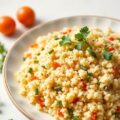
It’s funny how some of the most comforting meals come from the simplest places. For me, one of the most enjoyable experiences in the kitchen is discovering dishes that are both deeply rooted in culture and incredibly satisfying. That’s exactly what I’ve found with Turkish vegetarian recipes. They strike that perfect balance of rich, earthy flavors and fresh, vibrant ingredients. If you’ve never tried a Turkish vegetarian dish, you’re in for a treat. There’s something about the way Turkish cuisine elevates humble vegetables that makes it feel like each bite tells a story.
A few years back, I found myself visiting a small town in the Aegean region of Turkey. I had no idea what to expect, but I quickly became hooked on the local vegetarian meals. The produce was fresh from the fields, the olive oil was unlike anything I’d tasted, and the spices… oh, the spices! I vividly remember my first taste of a Turkish stuffed pepper, loaded with rice, herbs, and just the right amount of heat. It was simple but layered in flavor, and I thought, why don’t I make more of this at home? Today, I’m sharing a recipe that was inspired by those days – a classic Turkish vegetarian dish that’ll transport you straight to the Mediterranean.
Turkish Vegetarian Recipe

This recipe is for imam bayildi, a Turkish stuffed eggplant dish. The name translates to “the imam fainted”, which, according to the legend, was the reaction of an imam who tasted this dish for the first time. He was so overwhelmed by the flavors that he fainted! While that might be a bit of folklore, there’s no denying that this dish is packed with flavors that can leave you swooning. It’s a savory combination of eggplant, tomatoes, onions, garlic, and olive oil – the Mediterranean in every bite.
Ingredients Needed
If you’re a fan of fresh, simple ingredients, you’ll love how easy this recipe comes together. Here’s what you’ll need:
- 4 medium-sized eggplants (about 1 lb each)
- 2 large onions, thinly sliced
- 4 medium tomatoes, chopped
- 4 garlic cloves, minced
- 1/4 cup olive oil (use the best quality you can find – it makes a difference)
- 1 tablespoon tomato paste
- 1 teaspoon dried thyme
- 1 teaspoon dried oregano
- 1 teaspoon cumin
- 1 tablespoon sugar (yes, trust me)
- Salt and pepper to taste
- 1/4 cup fresh parsley, chopped (for garnish)
- 1/4 cup pine nuts (optional but adds a lovely crunch)
- 1 tablespoon lemon juice (freshly squeezed)
These ingredients are what I consider to be the backbone of the dish – aromatic, earthy, and incredibly satisfying.
Cooking Instructions
Now let’s get into the fun part: making the dish. It’s surprisingly easy to prepare, but the flavors that develop in the oven are what really shine.
- Preheat the oven to 375°F (190°C).
- Prepare the eggplants: Slice the eggplants in half lengthwise, then score the flesh in a criss-cross pattern (don’t cut all the way through the skin). Drizzle a bit of olive oil over them, sprinkle with salt, and place them flesh side up on a baking sheet. Roast for about 30-35 minutes, or until the eggplant is tender and browned.
- Prepare the filling: While the eggplants roast, heat the remaining olive oil in a large skillet over medium heat. Add the onions and cook until they soften, about 5 minutes. Stir in the garlic and cook for another minute. Then add the tomatoes, tomato paste, thyme, oregano, cumin, and sugar. Cook the mixture for about 15-20 minutes, or until it thickens and the flavors meld together. Season with salt and pepper to taste.
- Stuff the eggplants: Once the eggplants are done roasting, use a spoon to scoop out the flesh, leaving about a 1/2-inch border. Mix the scooped-out eggplant with the tomato-onion filling. If you’re using pine nuts, stir them in now.
- Fill the eggplants: Spoon the filling back into the eggplant shells. Drizzle with a little more olive oil and bake for an additional 20 minutes, until everything is bubbling and golden.
- Garnish and serve: Remove from the oven and drizzle with lemon juice and chopped parsley. Serve hot or at room temperature – it’s delicious either way.
Ingredient Science Spotlight
Now, let’s take a little detour and talk about some of the science behind a couple of key ingredients in this dish. Take the eggplant, for example. Eggplant is one of those vegetables that seems to absorb whatever it’s cooked with, making it a perfect base for absorbing the rich tomato sauce in this recipe. It’s also packed with antioxidants, particularly nasunin, which helps protect cells from oxidative stress. Cooking eggplant also helps release its beneficial chlorogenic acid, which has anti-inflammatory properties. And the olive oil – well, we already know it’s the gold standard for heart health, but it also helps to enhance the absorption of the fat-soluble vitamins (like vitamin A and E) found in the eggplant and tomatoes.
Then there’s the garlic. It’s not just for flavor – garlic contains allicin, a compound that has been shown to help reduce cholesterol and improve heart health. Plus, garlic is a natural immune booster. So, each bite of this dish is as nourishing as it is delicious.
Expert Tips
I’ve made this dish more times than I can count, and there are a few things I’ve learned along the way that make a big difference.
- Use firm, fresh eggplants: They’ll hold up better to roasting and stuffing. Avoid ones that are too soft or have blemishes.
- Let the eggplants rest: After you scoop out the flesh, give the eggplant shells a few minutes to cool slightly before you stuff them. It’ll make handling them much easier.
- Experiment with spices: While the thyme, oregano, and cumin are traditional, you can also try adding a pinch of cinnamon, smoked paprika, or even a dash of allspice for a different flavor profile.
- Don’t skimp on the olive oil: It’s essential to getting that rich, savory flavor, and it’ll help the dish stay moist.
Recipe Variations
If you want to switch things up, here are a few variations to keep things interesting:
- Add chickpeas: For a bit more protein and texture, stir some cooked chickpeas into the tomato filling. They’ll soak up the flavors and add a nice bite.
- Stuff with rice: For a more filling version, you can mix some cooked rice into the filling. It adds bulk and gives the dish a nice, hearty feel.
- Add feta: For a touch of creaminess and a salty contrast to the richness of the eggplant, crumble some feta cheese on top just before serving.
Final Words
Whether you’re making this for a weeknight dinner or a special gathering, imam bayildi is a dish that always feels like a celebration. It’s the kind of recipe that fills the house with a tantalizing aroma, making everyone eager to sit down and share a meal. And even if you’ve never ventured into Turkish cuisine before, this dish is an excellent introduction. It’s simple, flavorful, and satisfying in a way that’s hard to match.
FAQs
What Are Some Popular Turkish Vegetarian Dishes?
Some popular Turkish vegetarian dishes include ’İmam Bayıldı’ (stuffed eggplant with onions, garlic, and tomatoes), ’Mercimek Köftesi’ (lentil balls made with bulgur and spices), and ’Çökelekli Börek’ (a pastry filled with Turkish cheese). Additionally, ’Zeytinyağlı Enginar’ (artichokes cooked in olive oil with vegetables) is a common appetizer, and ’Kısır’ (a bulgur salad with parsley, tomatoes, and pomegranate molasses) is often served as a side dish.
Is Turkish Cuisine Suitable For Vegetarians?
Yes, Turkish cuisine is quite suitable for vegetarians. Many traditional Turkish dishes are naturally plant-based or can be easily modified to be vegetarian. Dishes like ’Dolma’ (stuffed grape leaves), ’Pide’ (Turkish flatbread) with vegetable toppings, and ’Börek’ (savory pastry) with cheese or spinach are popular. The use of fresh vegetables, legumes, and grains like rice and bulgur makes it easy to enjoy a variety of vegetarian options.
Are Turkish Vegetarian Recipes Spicy?
Turkish vegetarian recipes are generally not overly spicy, though they do feature a variety of aromatic spices. Common spices in Turkish vegetarian dishes include cumin, paprika, sumac, and dried mint, which add depth and flavor. While some dishes may have a mild heat, such as those containing chili peppers, the overall spice level is usually moderate. For those who prefer a spicier dish, it can easily be adjusted with additional chili peppers or hot sauce.