If you’ve never tasted turnip cake before, you’re missing out on one of the most unique and flavorful dishes in Chinese cuisine. Now, before you start thinking ’turnip’ sounds a bit too earthy or strange for your palate, hear me out. Turnip cake (or chao lo bak go, as it’s known in Cantonese) is a savory, comforting treat that combines the humble daikon radish with rich umami flavors. It’s traditionally enjoyed during Lunar New Year for its symbolic meanings of prosperity and good fortune. But really, it’s so delicious, it deserves to be enjoyed year-round. Plus, this vegetarian version is lighter but no less flavorful-whether you’re a full-time veggie eater or just looking for a healthier twist, it’s a must-try!
Making turnip cake at home can be an incredibly rewarding experience. The texture of the turnip, the depth of the seasonings, and that satisfying crisp on the outside of each piece-it’s all an experience, not just a meal. And it’s surprisingly simple once you break it down. Whether you’ve had it in a dim sum restaurant or you’ve seen it online, trust me when I say homemade turnip cake will forever change how you see this dish.
Turnip Cake Vegetarian Recipe
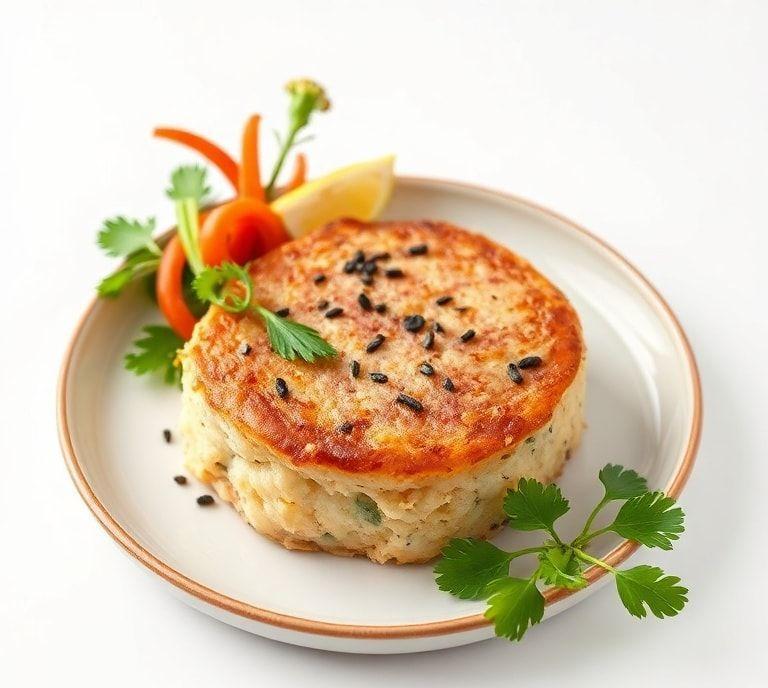
There’s something about creating a dish from scratch that feels so gratifying. While traditional turnip cakes often include bits of dried shrimp or Chinese sausage, this vegetarian recipe makes sure that every bite is still packed with flavor but leaves out the meat for a plant-based twist. Plus, I’ve kept it simple and easy to follow-you’ll be able to impress anyone who’s lucky enough to try it.
Ingredients Needed
For a recipe like this, you don’t need anything too fancy-just a few key ingredients. Here’s what you’ll need to gather:
- Daikon radish (about 2 medium-sized): This is the star of the dish, and the texture of the daikon once cooked is what makes turnip cake so special. It’s mildly sweet and tender when cooked but firm enough to hold its shape.
- Rice flour (1 cup): This is what gives the cake its chewy and firm texture. It’s crucial to getting that satisfying bite.
- Water (about 1 ½ cups): This helps dissolve the rice flour into a smooth batter, allowing everything to bind together.
- Dried shiitake mushrooms (4-5, soaked and chopped): These mushrooms are packed with umami and add a depth of flavor to the dish that mimics the richness of meat.
- Chinese five-spice powder (½ teaspoon): This spice blend typically includes star anise, cloves, Chinese cinnamon, Sichuan peppercorns, and fennel seeds. It’s a warm, aromatic seasoning that gives the cake that signature flavor.
- Soy sauce (2 tablespoons): For savory depth and color.
- Sesame oil (1 tablespoon): Adds a nutty aroma and richness to the dish.
- Green onions (2 stalks, chopped): Fresh, green onions add a nice contrast to the richness of the cake with their mild sharpness.
- Salt (1 teaspoon): To taste, for enhancing the overall flavor.
- Vegetable oil: For frying the cake once it’s set and firmed up.
Cooking Instructions
This is where the magic happens. At first glance, this recipe may look like a lot of steps, but each one is straightforward and super satisfying.
- Prepare the daikon radish: Start by peeling and grating the daikon. You’ll need to grate it finely (think about the texture of hashbrowns) because the finer the daikon, the more evenly it cooks in the batter. Once grated, squeeze out excess water from the daikon using a clean kitchen towel. This helps prevent your batter from becoming too runny.
- Cook the radish: In a large skillet or wok, heat about a tablespoon of sesame oil. Add the grated daikon and sauté for about 5-7 minutes. You want to soften the radish, letting it release its natural sweetness and absorb the flavors of the oil.
- Prepare the mushrooms: While the radish is cooking, soak the dried shiitake mushrooms in warm water for about 20 minutes, then chop them into small bits. Once the mushrooms are softened, add them to the radish mixture. Stir in the chopped green onions, soy sauce, and five-spice powder. The mushrooms will absorb the sauce and infuse the entire dish with their earthy flavor.
- Make the batter: In a separate bowl, combine the rice flour with the water, mixing until smooth and lump-free. Slowly pour this mixture into the daikon and mushroom mixture. Stir continuously to ensure everything is well combined. The consistency should be like a thick batter.
- Steam the mixture: Lightly oil a round cake pan or steam tray, then pour the batter into it. Smooth it out with a spatula to level the surface. Steam the cake over medium-high heat for about 45 minutes to an hour, checking occasionally to ensure the mixture is firming up and setting properly.
- Fry the turnip cake: Once the cake has steamed and cooled down (about 15-20 minutes), carefully remove it from the pan. Slice it into thick squares or rectangles. Heat a little vegetable oil in a skillet over medium heat, and fry each side of the turnip cake until it’s golden and crispy-about 3-4 minutes per side.
Ingredient Science Spotlight
I love talking about ingredient science because there’s so much depth behind the flavors and textures we often take for granted. Take the daikon radish, for example. It’s a root vegetable with a unique texture that softens and sweetens as it’s cooked, yet it maintains enough structure to give each bite a satisfying chew. The radish also releases a subtle moisture, which is why squeezing out excess water is important-it prevents the turnip cake from being soggy and ensures that it holds its form when steamed.
Then there’s the rice flour, which may seem like an ordinary ingredient but is actually crucial for the dish’s texture. Unlike all-purpose flour, rice flour doesn’t form gluten, which is why turnip cake has that chewy, firm quality. The rice flour combines with the water to form a gelatinous consistency that sets perfectly once steamed, giving the cake its structure.
Expert Tips
- Let the batter sit: After mixing everything together, allow the batter to rest for 10-15 minutes. This gives the rice flour time to absorb the liquid and create a smoother texture.
- Perfect frying: Be patient while frying the cakes. Frying too quickly or at too high a heat can cause the exterior to burn while the inside remains raw. Medium heat works best to ensure a crispy outside with a tender interior.
- Adjust the seasoning: Depending on your taste preferences, feel free to tweak the soy sauce or five-spice powder to get the balance of savory and aromatic that suits you.
Recipe Variations
- Mushroom Medley: If you’re a fan of mushrooms, experiment with different varieties. Oyster mushrooms, shiitakes, or even king oyster mushrooms add interesting textures and flavors to the dish.
- Vegan sausage: For a ’meatier’ version, try adding some vegan Chinese sausage or even crumbled tempeh. These options will give the cake a hearty texture without compromising the plant-based nature of the dish.
- More heat: If you like spice, throw in a small chopped chili or some chili paste when cooking the mushrooms. It adds a little zing without overpowering the dish.
Final Words
Making turnip cake is like opening a little window into a beloved tradition, but with your own personal touch. And trust me, once you try it homemade, it’ll be hard to go back to the restaurant versions. The crispy exterior, soft interior, and complex flavors all make for something truly special-plus, it’s so much fun to prepare. Whether you’re cooking for a special occasion or just a weekend treat, this recipe is a reminder that food doesn’t have to be complicated to be extraordinary.
FAQs
Can I Make Turnip Cake Completely Vegetarian?
Yes, turnip cake can be made completely vegetarian by substituting traditional non-vegetarian ingredients like dried shrimp or Chinese sausage with vegetarian alternatives. Common substitutes include shiitake mushrooms, diced carrots, or vegetarian sausages, which provide umami and texture similar to the original ingredients.
What Type Of Turnip Should I Use For A Vegetarian Turnip Cake?
For a vegetarian turnip cake, use Chinese white radish, also known as daikon or mooli. It has a firm texture and mild flavor that holds up well during steaming and frying. Avoid using small salad-type turnips, as they tend to be too watery and may make the cake mushy.
How Do I Prevent A Vegetarian Turnip Cake From Being Too Watery Or Falling Apart?
To prevent excess moisture, grate the turnip and gently squeeze out some of the liquid before mixing it with rice flour. Also, cook the cake mixture over medium heat and steam it thoroughly before pan-frying. Using the right proportion of rice flour to turnip-typically around 1:1 by weight-helps the cake set firmly while maintaining a tender texture.