There’s something wonderfully satisfying about a dish that’s both comforting and good for you-especially when it manages to be both full of flavor and surprisingly easy to make. I remember the first time I tried vegetarian meatballs. I was skeptical, as many people are when they first hear about plant-based versions of traditionally meaty dishes. But after one bite, I was hooked. It wasn’t just the texture, which was perfectly chewy and firm, or the rich, umami flavor that tasted like it had been simmering for hours-it was the versatility. You can toss these balls into pasta, enjoy them on a sub roll, or even dip them in a tangy marinara. I realized that vegetarian meatballs can stand on their own just as much as any classic recipe.
Over the years, I’ve perfected my own version of vegetarian balls. It’s a recipe that never fails to get compliments, and it’s adaptable enough for anyone from seasoned vegans to newcomers who are simply looking to eat less meat. Today, I’m excited to share that recipe with you, step-by-step. Get ready to create a dish that’s healthy, hearty, and bursting with flavor.
Vegetarian Balls Recipe
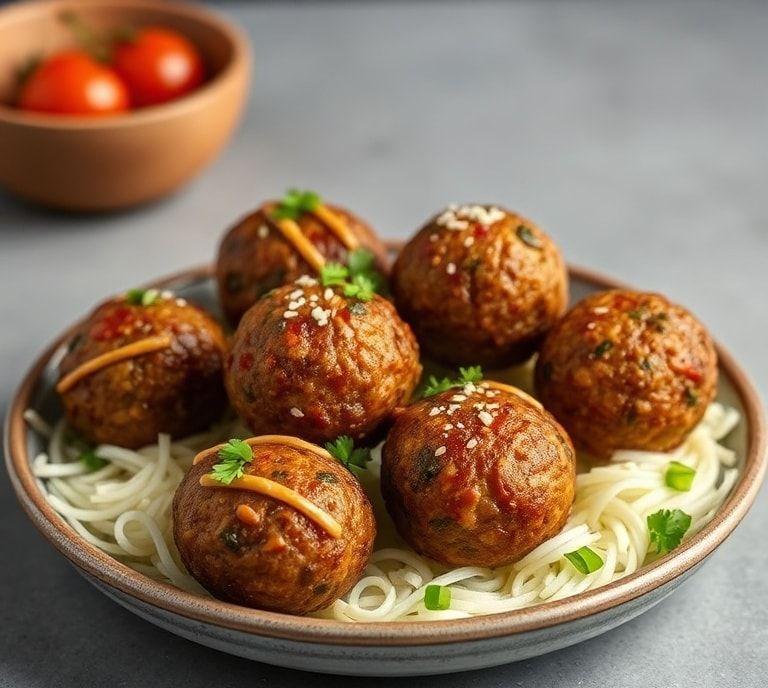
These vegetarian balls are incredibly versatile, made with plant-based ingredients that mimic the texture of meatballs while delivering bold flavors. The key is in the balance of ingredients-each one has a purpose. And if you’re skeptical about how a vegetarian version can measure up to the real thing, rest assured that these meatless balls will win you over.
The beauty of this recipe is how easy it is to make, and how quickly it comes together. You don’t need fancy kitchen gadgets or obscure ingredients. Just a few simple, whole foods and the right spices, and you’ll have yourself a batch of vegetarian meatballs that are perfect for a weeknight meal or a cozy weekend gathering.
Ingredients Needed
Here’s what you’ll need to bring these vegetarian balls to life:
- 1 cup cooked lentils: Lentils are the backbone of the meatball, providing protein and texture. They soak up the flavor of the other ingredients and help bind the mixture.
- 1 cup breadcrumbs: These help hold everything together and give the balls a slightly crispy outer layer when baked.
- 1/2 cup grated parmesan cheese (or a vegan version): This adds a savory, salty bite that gives the meatballs their depth of flavor.
- 1 small onion, finely chopped: Onions are essential for that aromatic, rich flavor base. They soften as they cook and bring out the natural sweetness of the vegetables.
- 2 cloves garlic, minced: Garlic brings warmth and a bit of spice, enhancing the overall flavor of the meatballs.
- 1 tablespoon dried oregano: Oregano gives a nice herby flavor that complements the richness of the lentils and cheese.
- 1 tablespoon dried basil: Like oregano, basil adds an earthy herbal note, but with a little more sweetness.
- 1/4 teaspoon red pepper flakes (optional): If you like a little heat, this will give the meatballs a subtle kick.
- 1 egg (or flax egg for a vegan version): This acts as a binder, helping the mixture hold together.
- Salt and pepper to taste: Always adjust based on what your palate prefers.
- Olive oil for greasing: A light coating ensures the balls bake to a golden crisp.
Cooking Instructions
The process to make these vegetarian meatballs couldn’t be easier. Here’s how I do it:
- Prepare the lentils: If you’re using dried lentils, cook them first. I usually simmer 1/2 cup of dried lentils in water for about 20-25 minutes until tender. Once they’re cooked, drain them and let them cool slightly.
- Cook the aromatics: In a skillet, heat a little olive oil over medium heat. Sauté the onion for about 5 minutes, or until it becomes soft and translucent. Add the garlic and red pepper flakes (if using) and cook for another 1-2 minutes until fragrant. Set aside to cool.
- Combine the ingredients: In a large mixing bowl, combine the cooked lentils, sautéed onion and garlic, breadcrumbs, parmesan, dried oregano, basil, salt, and pepper. Add the egg or flax egg (if you’re making it vegan). Use a spoon or your hands to mix everything together until well combined.
- Shape the meatballs: Using your hands, form the mixture into 1-inch balls. I like to make them just a little bit smaller than a golf ball, so they cook evenly and fit perfectly into pasta dishes or sandwiches.
- Bake the meatballs: Preheat your oven to 375°F (190°C). Place the formed meatballs on a baking sheet lined with parchment paper, and lightly brush them with olive oil to ensure they crisp up nicely in the oven. Bake for about 20-25 minutes, turning halfway through, until the meatballs are golden brown and firm to the touch.
- Serve and enjoy: Once they’re done, remove from the oven and let them cool for a few minutes. Serve with marinara sauce and spaghetti, or place them in a sandwich with some melted mozzarella. These meatballs are perfect for meal prep too-just store them in an airtight container in the fridge for up to 5 days.
Ingredient Science Spotlight
I think one of the most interesting parts of cooking is understanding what makes each ingredient tick. Let’s take a quick look at a few key ingredients here and why they work so well in this recipe:
- Lentils: Lentils are a powerhouse of plant-based protein and fiber. They’re inexpensive, versatile, and have a naturally hearty texture that makes them perfect for mimicking meat in dishes like this one. They also have a mild flavor, which allows all the other spices and herbs to shine.
- Breadcrumbs: When combined with wet ingredients, breadcrumbs absorb moisture and bind everything together. They also contribute to the crispiness of the meatballs’ exterior when baked, giving them that satisfying crunch without the need for frying.
- Parmesan cheese: Cheese isn’t just for flavor; it also helps create that traditional meaty umami richness we crave in meatballs. It brings in saltiness and a slightly nutty flavor, and when it melts, it helps to hold the whole ball together.
- Flax eggs: If you’re making this recipe vegan, flax eggs (made from flaxseed meal and water) are a brilliant substitute for regular eggs. The flax meal absorbs moisture and creates a gel-like consistency, allowing the ingredients to bind without the need for animal-based products.
Expert Tips
- Don’t skip the sautéing: Cooking the onions and garlic in a little oil before adding them to the meatball mixture brings out their sweetness and depth of flavor. If you skip this step and just toss them in raw, the flavors won’t have time to develop fully.
- Use a cookie scoop: If you want your meatballs to be uniform in size (and cook evenly), use a small cookie scoop. It’s a neat trick that helps speed up the process and keeps things tidy.
- Let the mixture rest: If your meatball mixture feels too wet or loose, let it sit in the fridge for 15-20 minutes. This allows the breadcrumbs to absorb more moisture, making the mixture easier to work with.
- Experiment with herbs: While I’ve given a basic herb profile with oregano and basil, feel free to mix it up! Thyme, rosemary, or even a little parsley can add fresh notes to your meatballs.
Recipe Variations
The beauty of vegetarian meatballs is that they’re incredibly adaptable. Here are a few fun variations you can try:
- Mushroom and walnut meatballs: Add finely chopped mushrooms and walnuts for a more earthy, savory flavor. Mushrooms help replicate the meaty texture, while walnuts give a slightly crunchy bite.
- Sweet potato and black bean meatballs: For a more hearty, veggie-packed option, substitute the lentils with mashed sweet potato and black beans. They’re both rich in fiber and add a different kind of sweetness and depth to the dish.
- Spicy buffalo lentil balls: If you like spice, try adding a tablespoon of buffalo sauce to the mix and drizzle more over the top after baking for a tangy twist.
- Italian sausage-style balls: Add fennel seeds, garlic, and red pepper flakes to mimic the flavors of Italian sausage. These are fantastic in a marinara sauce.
Final Words
Making these vegetarian meatballs is as much about the love you put into them as the ingredients themselves. It’s a simple, satisfying dish that can be customized to suit anyone’s tastes, and it doesn’t take much effort to make. Whether you’re following a vegetarian diet or just looking for a lighter, plant-based alternative to traditional meatballs, this recipe is a winner every time.
FAQs
What Ingredients Are Typically Used In A Vegetarian Balls Recipe?
A typical vegetarian balls recipe includes plant-based ingredients such as chickpeas, lentils, or black beans as the base. Additional ingredients often include breadcrumbs, grated vegetables like carrots or zucchini, garlic, onions, herbs, and spices like cumin, oregano, or paprika. For binding, ingredients such as egg replacers (e.g., flaxseed meal) or flour may be used, and the balls are often baked or fried to achieve a crispy texture.
Can I Make Vegetarian Balls Gluten-free?
Yes, vegetarian balls can easily be made gluten-free. To do so, substitute regular breadcrumbs with gluten-free breadcrumbs or other alternatives such as ground oats, rice flour, or almond flour. Additionally, be sure to check that any other ingredients you use, such as seasoning mixes, are free from gluten. With these substitutions, you can create a gluten-free version of vegetarian balls that is just as delicious.
How Can I Add Flavor To Vegetarian Balls?
To enhance the flavor of vegetarian balls, consider adding a variety of spices and herbs. Common options include garlic, onion, cumin, smoked paprika, oregano, thyme, and nutritional yeast for a cheesy flavor. You can also experiment with fresh herbs like parsley, cilantro, or basil. For added umami, you might incorporate ingredients like soy sauce, miso paste, or sun-dried tomatoes. Additionally, incorporating vegetables such as bell peppers, spinach, or mushrooms can boost both flavor and nutrition.