I’ve always been someone who gravitates toward comfort food, and biscuits, in particular, hold a special place in my heart. There’s something about their flaky, buttery texture and the way they seem to melt in your mouth that makes them irresistible. But over the years, I’ve found myself experimenting with different versions-tweaking recipes to suit dietary preferences and, well, just to see how far I can take my love for these fluffy little creations. One such experiment led me to this vegetarian biscuit recipe, and it’s become a staple in my kitchen ever since.
As a vegetarian, I’ve learned to get creative with ingredients, and biscuits offer endless possibilities. I wanted to create something that still delivered that perfect combination of crunch on the outside and soft, pillowy goodness on the inside, all while keeping it 100% plant-based. What I found is that even without the butter or the dairy, these biscuits have all the richness and comfort that you’d expect from the real deal-maybe even better.
So, whether you’re vegetarian, trying to reduce your dairy intake, or just in the mood for something new, this recipe has you covered. Let’s dive in and I’ll walk you through how to make these delightful vegetarian biscuits from scratch.
Vegetarian Biscuit Recipe
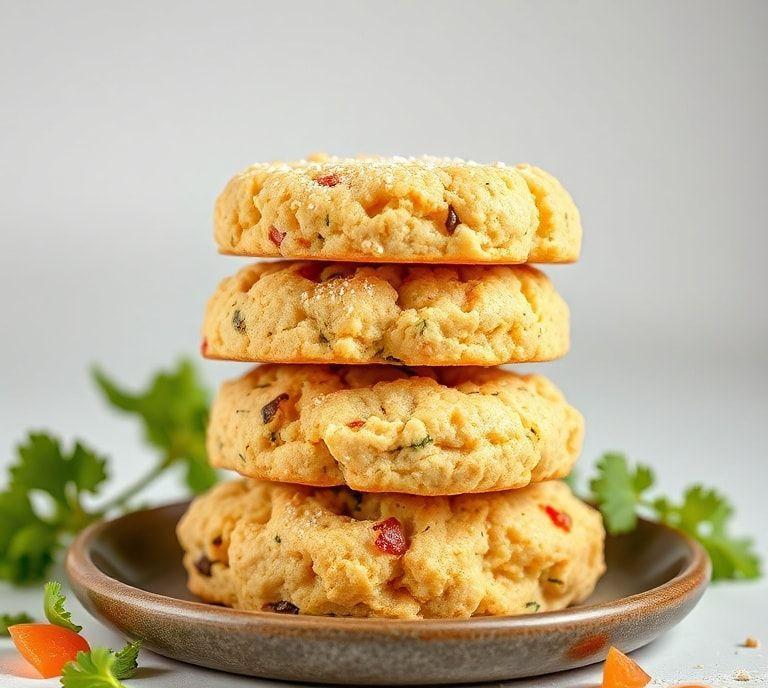
These biscuits are simple, but they pack a lot of flavor. The beauty of this recipe lies in its versatility-it can be made in less than 30 minutes, making it perfect for a lazy weekend breakfast, an easy side for dinner, or even as a snack. They’re light, fluffy, and have that perfect crunch when you bite into them. And here’s the best part: No complicated ingredients or special tools are needed-just a few pantry staples and a bit of love.
Ingredients Needed
The beauty of vegetarian biscuits is that they can be made with minimal ingredients, many of which you likely already have in your kitchen. Here’s what you’ll need:
- 2 cups all-purpose flour – This is the base of your biscuits. You could use whole wheat flour if you want a slightly nuttier, denser texture, but I love the lightness of all-purpose flour for this recipe.
- 1 tablespoon baking powder – This is what makes the biscuits rise, giving them that fluffy texture.
- 1/2 teaspoon salt – A little salt goes a long way to balance out the flavors and enhance the richness of the biscuit.
- 1/2 teaspoon sugar – A touch of sugar adds just the right hint of sweetness, which complements the savory elements.
- 1/2 cup cold vegetable shortening – This is where the magic happens. Vegetable shortening is the perfect replacement for butter in this recipe. It helps create those flaky layers without the need for any dairy.
- 2/3 cup unsweetened almond milk (or any plant-based milk) – This keeps the biscuits moist without the creaminess of cow’s milk. I find almond milk works beautifully, but oat or soy milk would also do the job.
- 2 tablespoons apple cider vinegar – This is optional, but I love adding a splash of apple cider vinegar to the milk to create a sort of vegan buttermilk. It gives the biscuits that slight tang that traditional biscuits have from buttermilk.
Cooking Instructions
The process of making biscuits is almost as comforting as eating them. There’s something wonderfully therapeutic about the rhythm of mixing, folding, and shaping dough. Here’s how you’ll bring this recipe to life:
- Preheat the oven to 450°F (230°C). The high temperature ensures your biscuits will puff up beautifully in the oven.
- Mix dry ingredients. In a large bowl, whisk together the flour, baking powder, salt, and sugar. Make sure they’re evenly combined-this ensures that your biscuits will rise uniformly.
- Cut in the shortening. Add the cold vegetable shortening to the dry ingredients. Using a pastry cutter, two forks, or even your fingers, work the shortening into the flour until the mixture looks like coarse crumbs. It’s crucial that the shortening stays cold; this will help create the flaky texture that’s essential in a good biscuit.
- Make the buttermilk. In a separate bowl, combine the almond milk and apple cider vinegar. Let it sit for about 5 minutes to curdle and form a vegan “buttermilk”.
- Combine wet and dry ingredients. Pour the buttermilk into the dry ingredients and stir gently with a spoon or spatula until just combined. Be careful not to overwork the dough-this will make the biscuits tough.
- Turn out the dough. On a lightly floured surface, gently knead the dough a few times (only about 5-6 turns) until it comes together. Pat it into a rough rectangle about 1 inch thick.
- Cut the biscuits. Using a biscuit cutter or a glass, press straight down into the dough to form biscuits. Don’t twist, as this will seal the edges and prevent them from rising properly. Place the biscuits on a parchment-lined baking sheet.
- Bake. Pop them in the preheated oven for 12-15 minutes, or until the tops are golden brown and slightly puffed up. You’ll know they’re done when they look perfectly golden and smell divine.
Ingredient Science Spotlight
There’s a lot of interesting science happening in these biscuits, even if they’re deceptively simple. Let’s talk about the key players:
- Baking Powder: This is your primary leavening agent, responsible for the rise. When baking powder reacts with the liquid in the dough, it releases carbon dioxide, which causes the dough to expand and form airy pockets.
- Vegetable Shortening: The shortening is what makes these biscuits so flaky. It prevents gluten from developing too much, which would otherwise make the biscuits dense and chewy. By using shortening, you get those delicate layers that separate as the biscuits bake.
- Apple Cider Vinegar: Adding vinegar to the almond milk is a clever trick that mimics the acidity of buttermilk. This reaction helps the baking powder activate more effectively, contributing to that perfect biscuit rise.
Expert Tips
Here are a few little insider tips to ensure your biscuits turn out perfect every time:
- Use cold ingredients. The colder your shortening and milk, the flakier the biscuits will be. This is because cold fat (whether it’s shortening, butter, or coconut oil) stays solid while baking and creates pockets in the dough as it melts. Those pockets form the flaky layers we all crave.
- Don’t overmix. I can’t stress this enough-mix the dough just enough to combine everything. Overmixing creates tough biscuits, and nobody wants that.
- Pat, don’t roll. Rather than rolling out the dough with a rolling pin, try patting it with your hands. This helps keep the layers intact and prevents the biscuits from becoming too dense.
- Use a sharp cutter. A clean, sharp edge on your biscuit cutter will help ensure you get clean cuts and allow the biscuits to rise properly. Don’t twist the cutter when cutting, as this can seal the edges.
Recipe Variations
If you’re feeling adventurous, there are endless ways to customize this basic recipe:
- Add herbs: Try adding fresh herbs like rosemary, thyme, or chives for a savory twist. These pair beautifully with the flaky texture and make the biscuits a great accompaniment to soups or stews.
- Cheese (if dairy is okay): You can add shredded vegan cheese to the dough for a cheesy version, or if dairy is not a concern, you could use regular cheese.
- Sweet biscuits: For a sweeter take, consider adding a little cinnamon or nutmeg to the dry ingredients, or even small bits of dried fruit like cranberries or raisins.
- Garlic butter topping: Once the biscuits are baked, you could brush them with melted garlic-infused butter (or plant-based butter) for an extra layer of flavor.
Final Words
Making vegetarian biscuits is all about balance-balance between flour and fat, dry and wet ingredients, and the patience to allow the dough to do its magic in the oven. While it may seem like just another basic recipe, it’s a true classic for a reason: there’s nothing quite like a freshly baked biscuit. Plus, you can make them your own with endless variations, so you’ll never tire of this versatile dish.
FAQs
What Ingredients Are Typically Used In A Vegetarian Biscuit Recipe?
A basic vegetarian biscuit recipe typically includes flour (often all-purpose or whole wheat), baking powder, salt, butter (or a plant-based alternative like margarine or coconut oil), and milk (or a non-dairy substitute like almond milk or soy milk). Some variations may include sugar, herbs, or spices for added flavor, but these are not essential for a basic recipe.
Can I Make Vegetarian Biscuits Without Dairy Or Eggs?
Yes, you can easily make dairy-free and egg-free vegetarian biscuits. Instead of butter, you can use plant-based fats such as vegan margarine, coconut oil, or olive oil. For egg replacement, options like flaxseed meal mixed with water (flax egg), unsweetened applesauce, or even non-dairy yogurt can provide the needed binding and moisture.
How Can I Make My Vegetarian Biscuits Flaky And Soft?
To achieve flaky and soft vegetarian biscuits, it’s crucial to handle the dough gently and minimally. First, use cold fat (butter or vegan alternatives) and cut it into the flour until it resembles coarse crumbs. The cold fat creates steam pockets as it bakes, making the biscuits flaky. Additionally, don’t overwork the dough and make sure to bake them in a hot oven (around 425°F or 220°C) to encourage quick rising. For extra softness, you can also add a little bit of sour cream or buttermilk to the dough.