There’s something almost magical about the simplicity and comfort of a well-made dish that doesn’t require a lot of bells and whistles, yet packs so much flavor. I remember the first time I tried a vegetarian black bean recipe. It was a rainy afternoon, and I wanted something hearty and filling, but didn’t have the energy or ingredients for an elaborate meal. I went through my pantry and found a can of black beans, a couple of random spices, and some veggies that needed to be used up. I ended up with a dish that not only filled me up but also made me feel good-light yet satisfying, packed with protein, and bursting with flavor. That meal became a regular in my kitchen, and over time, I fine-tuned it to make it just right. What I’ve learned through that process is that with just a few key ingredients, black beans can be transformed into a meal that’s nourishing and absolutely delicious.
So, if you’re looking for something that’s easy to throw together, incredibly healthy, and full of flavors that will make your taste buds dance, you’re in the right place. Let’s dive into my favorite vegetarian black bean recipe and explore how you can make it your own!
Vegetarian Black Bean Recipe
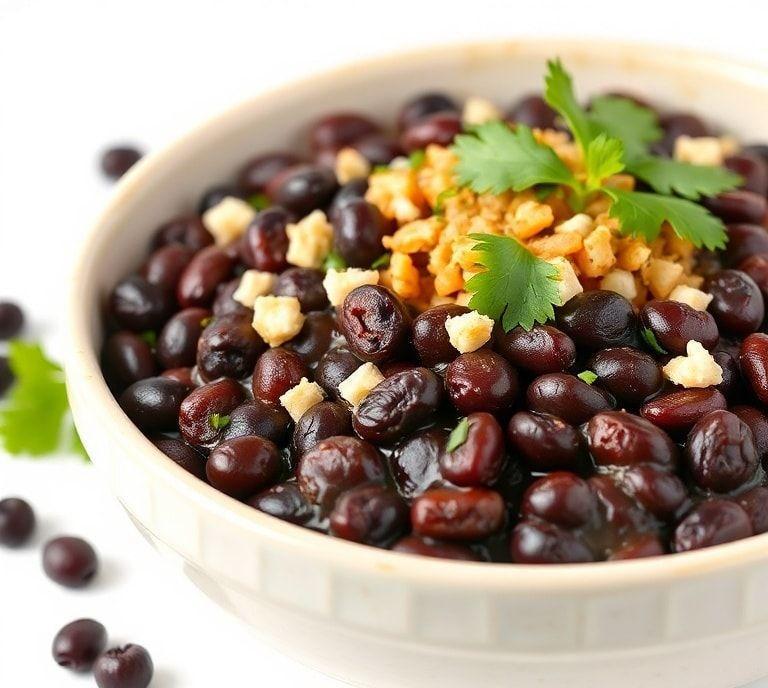
This is the kind of recipe I keep coming back to, no matter the season. It’s so versatile, yet so simple. Whether you’re in the mood for a cozy bowl of beans and rice or need a quick dinner idea to serve with a side salad, this recipe fits the bill. The black beans are the stars, and they’re complemented by aromatic onions, garlic, and earthy spices. What’s great about it is that it’s also customizable-you can turn it into a taco filling, a burrito bowl, or just serve it as a hearty side dish. Let’s get into the ingredients you’ll need to get started.
Ingredients Needed
- 2 cans (15 oz each) of black beans (or about 3 cups of cooked black beans)
- 1 tablespoon olive oil (or your preferred cooking oil)
- 1 small onion (diced)
- 2 garlic cloves (minced)
- 1 bell pepper (diced, any color you prefer)
- 1 teaspoon ground cumin
- 1 teaspoon chili powder
- ½ teaspoon smoked paprika (adds a smoky depth)
- ½ teaspoon dried oregano
- Salt and pepper to taste
- 1-2 tablespoons lime juice (freshly squeezed)
- Fresh cilantro (optional, but highly recommended for garnish)
For a little extra touch, you could also add a diced tomato, some corn, or even a handful of spinach for more texture and nutrients. But the beauty of this dish is how it builds layers of flavor with just the basics.
Cooking Instructions
- Prepare the beans: If you’re using canned beans, drain and rinse them well to remove excess sodium. If you have dried beans, you’ll need to soak and cook them in advance, but canned beans are such a time-saver!
- Sauté the veggies: Heat the olive oil over medium heat in a large pan. Add the diced onion and cook for about 3-4 minutes until it softens and becomes translucent. Then, add the garlic and bell pepper. Cook for another 2-3 minutes, letting the aroma of the garlic fill the air.
- Spice it up: Now it’s time to bring in the spices. Sprinkle in the cumin, chili powder, paprika, and oregano. Stir everything around for about 1 minute, letting the spices bloom and release their oils. This step is key to getting that rich flavor base.
- Add the beans: Stir in the black beans, mixing them well with the onions, peppers, and spices. Let everything cook together for 5-6 minutes so the beans absorb the flavors.
- Season & finish: Season with salt, pepper, and a good squeeze of lime juice. Taste it and adjust as needed-sometimes a little extra lime juice or salt can make all the difference.
- Serve: Garnish with fresh cilantro, and serve with rice, tacos, or just enjoy as is with a side of avocado for a creamy contrast.
Ingredient Science Spotlight
You might be wondering-why black beans? Well, these little legumes are packed with benefits. First off, they’re an incredible source of plant-based protein. A cup of black beans contains around 15 grams of protein-almost the same as an ounce of chicken! But protein is just the start. Black beans are also rich in fiber, which helps with digestion and keeps you feeling fuller longer.
The combination of cumin and chili powder is more than just a flavor enhancer. Cumin, with its earthy and slightly nutty profile, aids digestion and can help with bloating. Chili powder, while adding heat, also brings capsaicin into the mix-a compound known for its metabolism-boosting properties. When combined with lime juice, you get a vitamin C boost, which helps your body absorb iron from the beans more efficiently.
Expert Tips
- Don’t skip the sautéing: Sautéing your onions, garlic, and spices in oil before adding the beans is essential. It develops deeper flavors and a more aromatic base. Even if you’re in a rush, don’t just throw everything into the pan at once-trust me, it makes a difference.
- Adjust the spices to your taste: If you prefer less heat, you can reduce the chili powder or omit the smoked paprika. I love the smokiness, but it’s totally adaptable. You can even experiment with adding a bit of cinnamon or a dash of cayenne for a kick.
- Add a protein punch: For those who want to add more protein, consider stirring in some cooked quinoa or adding a handful of toasted nuts or seeds on top for crunch.
- Make it a meal prep hero: This recipe stores really well in the fridge for 3-4 days and makes great leftovers. You can even freeze it in portions and have a quick meal ready for later.
Recipe Variations
One of the best things about this dish is how easily it can be adapted to your taste or dietary preferences:
- Vegan: This recipe is already vegan, but if you like a more creamy texture, try adding a dollop of dairy-free sour cream or a spoonful of avocado mash.
- Taco filling: Use this as a base for tacos or burritos. Top with lettuce, salsa, guacamole, and a sprinkle of cheese (vegan or dairy) for a full meal.
- Stuffed bell peppers: If you have some extra peppers lying around, you can stuff them with this mixture and bake them until soft. A cozy, one-dish dinner!
- Mexican-style bowl: Layer this over a bed of rice, top with salsa, avocado, and maybe a fried egg if you’re not strictly vegan. It’s like a build-your-own burrito bowl.
- Spicy variation: If you’re into heat, throw in some jalapeños or chipotle peppers in adobo sauce for an added layer of spice and smoky goodness.
Final Words
This vegetarian black bean recipe is everything I want in a meal: it’s quick, flavorful, adaptable, and nourishing. Whether you’re cooking for one or feeding a crowd, it delivers. And best of all, it’s one of those dishes you can make without having to plan too far ahead or run to the store for fancy ingredients. It’s all about using what you have on hand and transforming it into something simple but satisfying.
FAQs
What Are The Essential Ingredients For A Vegetarian Black Bean Recipe?
The essential ingredients for a basic vegetarian black bean recipe typically include black beans (either canned or dried), onions, garlic, bell peppers, vegetable broth or water, spices such as cumin, chili powder, and paprika, and optional toppings like cilantro, avocado, or lime. You may also add vegetables such as tomatoes, corn, or spinach for added flavor and texture.
Can I Make A Vegetarian Black Bean Recipe Without Using Oil?
Yes, it is possible to make a vegetarian black bean recipe without oil. You can sauté the onions, garlic, and other vegetables in a splash of vegetable broth or water instead of oil to reduce the fat content. Additionally, many of the flavors come from the spices and the natural taste of the beans, so omitting oil will not compromise the dish’s overall flavor.
How Can I Customize A Vegetarian Black Bean Recipe For A Mexican Flavor Profile?
To customize a vegetarian black bean recipe for a Mexican flavor profile, you can add ingredients such as diced tomatoes, corn, jalapeños, and fresh cilantro. Incorporate spices like cumin, chili powder, oregano, and a squeeze of lime for an authentic taste. For added texture, serve the dish with a side of rice, or use it as a filling for tacos, burritos, or enchiladas.