If you’ve ever felt like making a classic Caesar salad, but wanted to keep it a little lighter and more plant-friendly, I’ve got you covered. The vegetarian version of Caesar salad is one of those dishes that hits all the right notes-crisp, creamy, tangy, and satisfying-without any of the guilt. It’s been a favorite in my household for years, especially when we’re craving something hearty but still fresh and wholesome.
The original Caesar salad, as you probably know, was invented by Caesar Cardini in the 1920s in Tijuana, Mexico. It’s a crowd-pleaser, yet it’s often made with anchovies and a heavy dressing. While anchovies may be a love-it-or-hate-it ingredient for many, the vegetarian version doesn’t need them to be delicious. In fact, I think it’s better without them. The beauty of this recipe is how simple it is-just fresh ingredients and a few thoughtful substitutions that retain that familiar, satisfying flavor.
I’ve had a lot of versions of this salad, but after tweaking and experimenting for years, I’ve finally nailed the perfect vegetarian Caesar. Let’s dive into it!
Vegetarian Caesar Salad Recipe
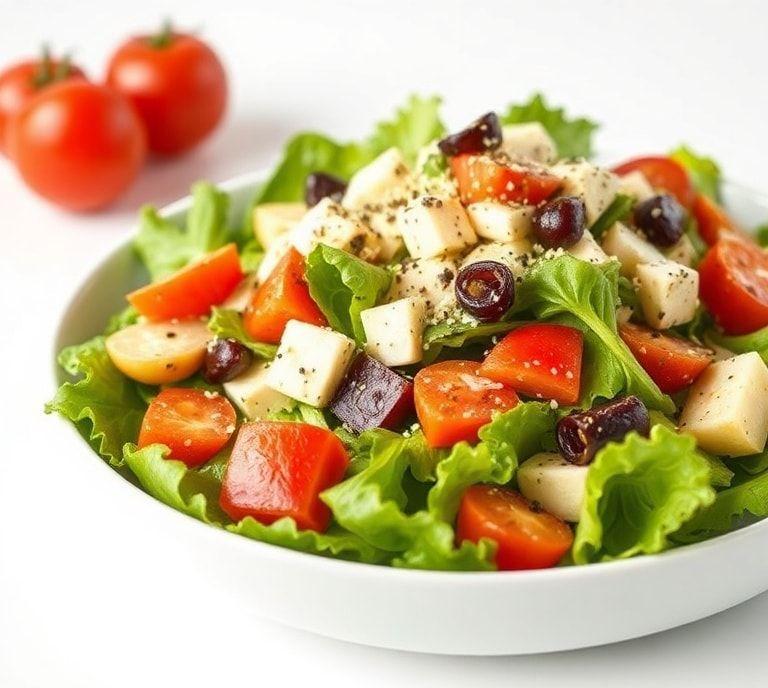
Now, we’re not reinventing the wheel here, but we’re certainly making it a little more approachable for anyone who wants to keep things plant-based. This version uses all the best parts of a classic Caesar, minus the animal products, with a few surprises that elevate the flavor without complicating things.
Ingredients Needed
Here’s what you’ll need for the base of your salad and the dressing. You can customize it later, but this is the starting point:
-
For The Salad
- 1 large head of Romaine lettuce (about 6 cups, chopped)
- 1/2 cup of croutons (homemade or store-bought)
- 1/4 cup of shredded Parmesan cheese (or a vegetarian alternative like Pecorino Romano)
- Freshly cracked black pepper, to taste
- A sprinkle of sea salt
-
For The Dressing
- 1/2 cup of Greek yogurt (for creaminess, without the egg)
- 2 tablespoons of olive oil
- 1 tablespoon of Dijon mustard
- 2 tablespoons of lemon juice (freshly squeezed if possible)
- 1 teaspoon of garlic powder
- 1 teaspoon of onion powder
- 2 tablespoons of nutritional yeast (this gives a cheesy umami flavor)
- 1 tablespoon of capers or a tablespoon of caper brine (for a briny, salty depth)
- 1/2 teaspoon of white vinegar
- Salt and pepper to taste
Cooking Instructions
Step 1: Prep The Lettuce
Rinse and thoroughly dry the Romaine lettuce. I always find that drying the lettuce properly makes a world of difference-it helps the dressing cling better and prevents any sogginess. Chop the lettuce into bite-sized pieces and place it in a large salad bowl.
Step 2: Make The Dressing
In a separate bowl, combine the Greek yogurt, olive oil, Dijon mustard, lemon juice, garlic powder, onion powder, nutritional yeast, capers, white vinegar, and a pinch of salt and pepper. Whisk until smooth and creamy. Taste and adjust the seasonings-add more lemon juice if you like it tangy or a pinch more salt for depth.
Step 3: Assemble The Salad
Drizzle the dressing over the chopped Romaine and toss gently, ensuring the leaves are evenly coated. Add the croutons and shredded Parmesan (or your choice of cheese). Toss again, then finish with freshly cracked black pepper and a sprinkle of sea salt.
Step 4: Serve Immediately
I recommend serving it fresh so the croutons remain crunchy. If you want to get fancy, garnish with a few extra capers or a sprinkle of fresh herbs like parsley or thyme.
Ingredient Science Spotlight
One of the most interesting things about making a vegetarian Caesar salad is how the ingredients work together. Let’s break down the key players.
- Greek yogurt: This is the hero of the dressing. Not only does it provide creaminess without the need for eggs or mayo, but it also adds a tangy kick that makes the dressing feel rich without being overly heavy. Greek yogurt is high in protein and probiotics, which support gut health.
- Nutritional yeast: If you’ve ever had a vegan version of mac and cheese, you’ve probably tasted nutritional yeast. It gives that ’cheesy’ flavor without any dairy, and it’s loaded with B vitamins, especially B12, which is crucial for anyone following a plant-based diet.
- Capers: A little salty and briny, capers add a lot of complexity to the dressing. They bring a depth of flavor similar to anchovies, but with a distinctly different, yet just as satisfying, punch. Capers are also full of antioxidants, making them a surprising health boost.
- Lemon juice: The acid in lemon juice brightens the entire dish. It cuts through the richness of the dressing and balances the creamy texture. Plus, it’s a natural source of vitamin C, which helps boost your immune system.
Expert Tips
- Don’t skimp on the salt – A pinch of sea salt in both the dressing and salad can make all the difference. It enhances the flavors without being overpowering, and the salty bite is a classic Caesar element.
- Homemade croutons are a game-changer – If you have a few leftover slices of bread lying around, turn them into croutons! Toss them in olive oil, garlic powder, and a pinch of salt, then toast them in the oven until golden and crispy. They’ll elevate your salad in ways store-bought croutons just can’t.
- Adjust to your taste – Caesar dressing can be surprisingly flexible. If you like it tangier, add a bit more lemon juice. For a richer taste, use a bit more olive oil or nutritional yeast. Make it your own!
- Use fresh lettuce – The crunch of fresh Romaine is essential. You want to make sure the lettuce is cold and crisp for that satisfying texture. If it wilts, you lose that whole Caesar vibe.
Recipe Variations
- Add protein: To turn this salad into a meal, consider adding some grilled or roasted chickpeas, tofu, or tempeh for a boost of plant-based protein. A fried egg on top can also make it more filling.
- Grilled vegetables: For a smoky twist, you could toss in some grilled veggies like zucchini, bell peppers, or eggplant. They add a depth of flavor and make the salad feel more like a main course.
- Vegan Caesar Salad: To make this recipe fully vegan, swap out the Greek yogurt for a dairy-free yogurt alternative, and choose a plant-based Parmesan or nutritional yeast for the cheese.
- Spicy Caesar: Add a dash of hot sauce or a sprinkle of red pepper flakes to the dressing for a spicy kick. It’s a simple way to make the salad stand out, especially if you’re craving something with a bit of heat.
Final Words
Making a vegetarian Caesar salad is surprisingly easy and incredibly rewarding. It’s one of those dishes that always tastes better than you expect it to, and it doesn’t require much effort at all. The combination of crisp lettuce, tangy dressing, and crunchy croutons makes it the perfect salad for almost any occasion.
Plus, with the variety of variations you can add, it can easily fit into different diets or moods. Whether you’re keeping things light with a classic version, or bulking it up with protein and veggies, there’s no wrong way to enjoy it.
FAQs
What Are The Key Ingredients For A Vegetarian Caesar Salad?
A vegetarian Caesar salad typically includes Romaine lettuce, a vegetarian Caesar dressing (which substitutes anchovies with ingredients like capers, miso, or Dijon mustard), croutons, and Parmesan or a plant-based alternative. Some recipes may also include garlic, lemon juice, and olive oil to enhance the flavor.
Can I Make The Caesar Dressing Without Eggs?
Yes, you can make a vegetarian Caesar dressing without eggs. Common egg-free alternatives include using vegan mayonnaise, tahini, or cashews blended with lemon juice, garlic, Dijon mustard, and capers for a creamy texture and tangy flavor. These substitutions provide the same rich consistency as traditional egg-based dressings.
How Can I Make The Croutons For A Vegetarian Caesar Salad?
To make croutons for a vegetarian Caesar salad, cut bread (such as a baguette or sourdough) into small cubes. Toss the bread cubes in olive oil, garlic powder, salt, and pepper, then bake them in the oven at 375°F (190°C) for about 10-15 minutes, or until golden brown and crispy. You can also add herbs like oregano or thyme for extra flavor.