There’s something about Cajun cooking that just feels like home-rich, bold, and packed with flavor. It’s the kind of food that sticks to your ribs but doesn’t sit heavy; instead, it leaves a lingering warmth that wraps around you like a good hug. The heart of Cajun cuisine comes from its roots in Louisiana, where flavors and spices blend seamlessly into everyday life.
But what happens when you take the traditional Cajun dishes and give them a vegetarian twist? The result is a dish that’s just as hearty, flavorful, and soul-satisfying without the meat. I’ve spent years experimenting with Cajun recipes, swapping out the usual sausages, chicken, or seafood for plant-based ingredients, and let me tell you: you won’t miss the meat. This vegetarian Cajun recipe is proof that you don’t have to sacrifice taste or authenticity to make a dish more inclusive for vegetarians and vegans.
So, if you’re ready to dive into the world of vegetarian Cajun cooking, grab a wooden spoon, turn up the heat, and let’s get cooking!
Vegetarian Cajun Recipe
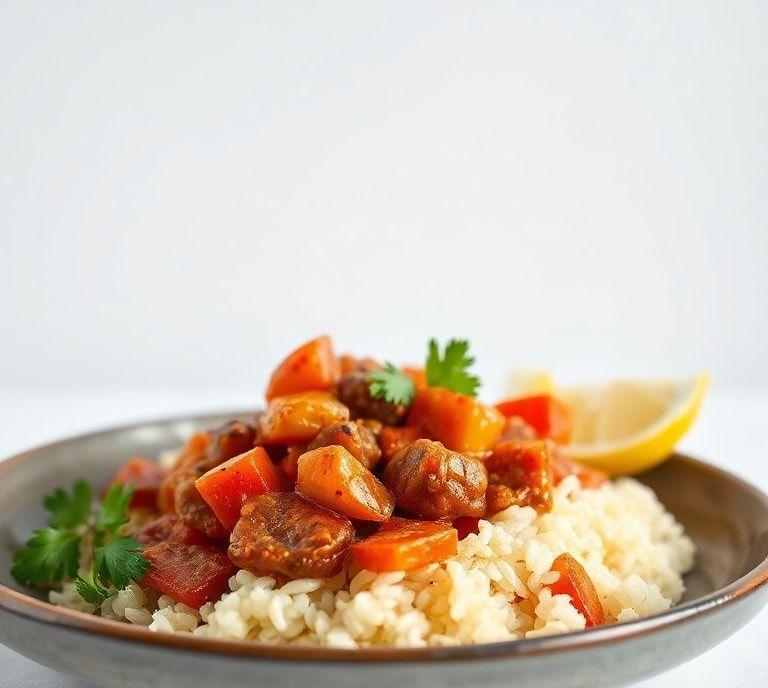
This Vegetarian Cajun dish brings all the flavor and intensity of a traditional Cajun meal without a single ounce of meat. With vegetables taking the center stage and a seasoning blend that sings with smoky heat and savory depth, it’s a perfect comfort food for both vegetarians and meat-lovers alike.
Picture it: a medley of bell peppers, onions, celery, and tomatoes simmering in a rich, flavorful sauce that’s spicy but not overwhelming. Add in a few pantry staples, throw in some rice, and you’ve got a soul-warming meal that will have your tastebuds dancing.
Ingredients Needed
To recreate this vegetarian Cajun masterpiece, here’s what you’ll need:
- 1 tablespoon olive oil: For sautéing and adding a base of richness.
- 1 onion, diced: The backbone of any Cajun dish-sweet, savory, and a bit caramelized when cooked just right.
- 1 bell pepper, diced: Choose any color you like-red, yellow, green-each adds a little something different, but all give that slight sweetness and crunch.
- 2 celery stalks, diced: Known as the “holy trinity” of Cajun cooking, the celery brings a subtle, earthy note.
- 3 cloves garlic, minced: A must for that deep, aromatic base.
- 1 can (14.5 oz) diced tomatoes: For acidity and sweetness that balances the spices.
- 1 cup vegetable broth: Use a good quality one to bring extra depth to the flavor.
- 1 cup cooked rice: White, brown, or even cauliflower rice if you’re going low-carb.
- 1 teaspoon smoked paprika: This is what gives the dish its signature smoky flavor.
- 1 teaspoon dried thyme: A little herbaceous note to round out the flavor profile.
- 1 teaspoon oregano: Another herb to balance the spices.
- 1 teaspoon cayenne pepper: The heat-use it to your preference!
- 1 teaspoon paprika: For more of that rich, deep color and mild heat.
- 1 teaspoon onion powder: Boosts the flavor and complements the sautéed onions.
- Salt and pepper: To taste.
- Fresh parsley (for garnish): Adds a fresh, herby lift at the end.
Cooking Instructions
- Sauté the Veggies: Start by heating the olive oil over medium heat in a large skillet or Dutch oven. Add the diced onion, bell pepper, and celery. Cook for about 5-7 minutes, stirring occasionally, until the vegetables soften and the onion turns translucent.
- Add the Garlic: Toss in the minced garlic and cook for another minute. You’ll know it’s ready when your kitchen starts smelling irresistible!
- Season It Up: Stir in the paprika, cayenne, thyme, oregano, onion powder, salt, and pepper. Let the spices toast for a minute in the hot oil, releasing their aromas and infusing the dish with flavor.
- Add Tomatoes and Broth: Pour in the diced tomatoes (with their juices) and vegetable broth. Bring everything to a simmer, letting it bubble gently for about 10 minutes. This helps all the flavors meld together beautifully.
- Stir in Rice: If you’re using leftover rice, now’s the time to toss it in. Stir everything together until the rice is heated through and the flavors have fully blended.
- Taste and Adjust: Give it a quick taste. Do you need more salt, a dash more cayenne, or maybe a squeeze of lemon for acidity? This is your moment to adjust.
- Garnish and Serve: Finish with a sprinkle of fresh parsley for a pop of color and flavor. Serve hot and enjoy!
Ingredient Science Spotlight
When cooking a dish with as many strong flavors as this vegetarian Cajun, it’s important to understand how the ingredients work together. Take the "holy trinity" of Cajun cooking-onion, bell pepper, and celery. This trio forms the foundational flavor profile of Cajun dishes and is responsible for the balance between savory, sweet, and earthy notes. When sautéed, the onions and bell peppers caramelize slightly, which adds a layer of sweetness to counterbalance the heat and smokiness of the paprika and cayenne.
Another key player in this recipe is the smoked paprika. Smoked paprika has a unique ability to add depth without heat, which is why it’s a staple in Cajun and Spanish cooking. It’s the type of spice that lingers, transforming the dish from good to great.
Tomatoes and vegetable broth help balance the richness of the olive oil and the heat from the spices, while the rice acts as a canvas to soak up all those delicious flavors.
Expert Tips
- Cook your rice separately: Cooking the rice separately gives you more control over the texture of the dish. If you cook the rice directly in the skillet, it may become too soft or mushy. Cooking it separately also allows you to use leftover rice, which often gives better results.
- Make it spicy, but not overwhelming: The beauty of Cajun cooking lies in the balance between heat and flavor. Start with a little cayenne, and remember-you can always add more, but you can’t take it out. Taste as you go!
- Let it simmer: Don’t rush the simmering stage. The more time you let the flavors meld together, the more the dish will develop depth and complexity. It’s like a good stew-it only gets better with time.
- Use a variety of peppers: While bell peppers are essential, consider mixing in some mild chili peppers like poblano or Anaheim for added complexity without adding too much heat.
Recipe Variations
- Add plant-based protein: If you’re looking for a protein boost, consider adding cooked lentils, chickpeas, or even tempeh. These ingredients absorb the Cajun flavors beautifully and can make the dish even more filling.
- Make it a casserole: If you want to turn this dish into more of a one-pan meal, mix the rice into the vegetable and tomato mixture, top with breadcrumbs, and bake for 15-20 minutes at 350°F. It’ll turn into a crispy, baked casserole that’s a crowd-pleaser.
- Add greens: Throw in some spinach or kale for an added layer of nutrition and color. The greens will wilt into the sauce and absorb the Cajun flavors.
- Swap in cauliflower rice: For a low-carb version, use cauliflower rice instead of regular rice. It’ll soak up the spices just as well while keeping the dish light and fresh.
Final Words
Cooking is often a journey, and when it comes to vegetarian Cajun cooking, it’s one filled with deep, rich flavors and heartwarming aromas. This recipe proves that you don’t need meat to create a dish that’s full of life and personality. With a few simple ingredients and the right techniques, you can bring a little piece of Louisiana into your kitchen without missing out on any of the flavor.
FAQs
What Are The Key Ingredients In A Vegetarian Cajun Recipe?
A vegetarian cajun recipe typically includes a variety of vegetables, such as bell peppers, onions, celery, and tomatoes, often combined with plant-based proteins like beans, tofu, or tempeh. Key spices for the cajun flavor profile include paprika, cayenne pepper, garlic powder, thyme, and oregano. Some variations may also include ingredients like okra, mushrooms, or rice, depending on the dish being prepared.
Can I Make A Vegetarian Cajun Recipe Gluten-free?
Yes, a vegetarian cajun recipe can be easily adapted to be gluten-free. Many of the traditional ingredients, such as vegetables, beans, and rice, are naturally gluten-free. To ensure the recipe is entirely gluten-free, make sure to use gluten-free vegetable broth (if required) and check that any packaged seasonings or sauces are free from gluten. You can also replace any gluten-containing ingredients with gluten-free alternatives, such as tamari instead of soy sauce.
How Do I Make Vegetarian Cajun Jambalaya?
To make a vegetarian cajun jambalaya, start by sautéing onions, bell peppers, and celery in oil until softened. Add garlic, diced tomatoes, and vegetable broth, along with a variety of spices such as paprika, thyme, cayenne pepper, and bay leaves. For protein, you can include beans, tempeh, or tofu. Add rice and let the mixture simmer until the rice is cooked and has absorbed all the flavors. Optionally, add some smoked paprika or liquid smoke for a more authentic, smoky flavor.