Cannoli are the kind of treat that have the power to stop you in your tracks, make your mouth water, and transport you straight to the heart of Italy. I still remember the first time I had a perfectly made cannoli. It wasn’t just a dessert; it was an experience. The crispy shell, filled with that smooth, creamy ricotta filling, dotted with chocolate chips-every bite was a little piece of heaven. But what if you want to enjoy this iconic Italian pastry without the usual ingredients? That’s where the vegetarian cannoli comes in.
Now, before you start thinking that ’vegetarian’ means flavorless or boring, let me reassure you-this recipe is anything but that. The beauty of a vegetarian cannoli lies in the flavors and textures that are all about balance. It’s the way the slightly sweet ricotta filling melds with the crunch of the fried shell, giving you a bite that’s both rich and light at the same time. In this post, I’m going to share a delicious vegetarian cannoli recipe, including every little detail, and hopefully inspire you to whip up your own batch in the kitchen.
Vegetarian Cannoli Recipe
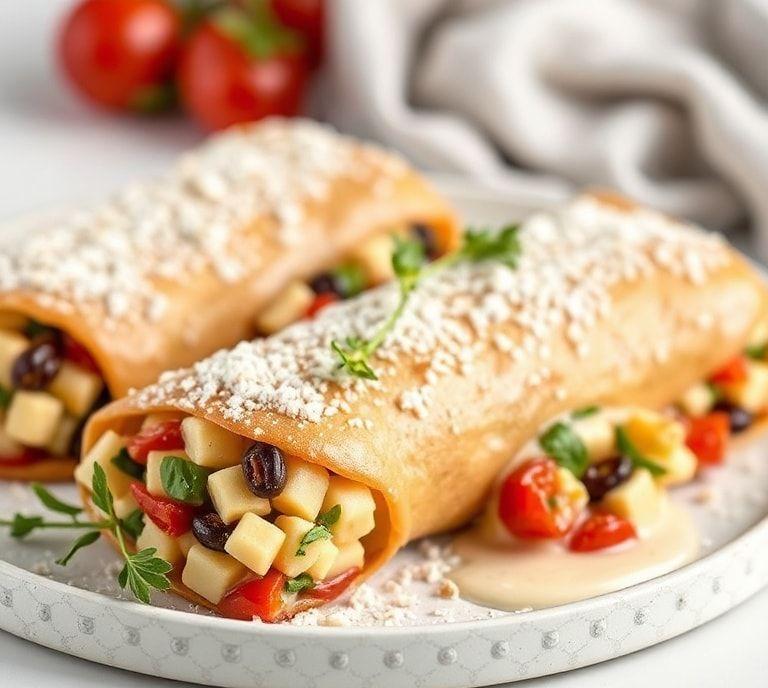
This vegetarian cannoli recipe is as close as you can get to the classic without using any animal-derived ingredients (aside from the ricotta, of course, which is vegetarian-friendly in its most basic form). The key here is keeping the filling as rich and indulgent as possible, without using any eggs or cream.
Ingredients Needed
You can’t make cannoli without the right ingredients, and luckily, most of them are easily found at your local grocery store. Here’s what you’ll need:
For The Shells
- 2 cups all-purpose flour
- 1 tablespoon sugar
- 1/4 teaspoon salt
- 1 tablespoon olive oil (you can also use butter if you prefer)
- 1/4 cup white wine (or a bit more, depending on the dough’s texture)
- 1 teaspoon cinnamon (optional)
- A bit of vegetable oil, for frying
For The Filling
- 1 1/2 cups ricotta cheese (make sure it’s well-drained)
- 1/2 cup powdered sugar
- 1 teaspoon vanilla extract
- 1/4 teaspoon ground cinnamon
- 1/2 cup mini chocolate chips (or chopped pistachios if you want to get fancy)
- Zest of one orange (optional, but highly recommended)
Cooking Instructions
Making cannoli at home is a fun project that can take some time but is totally worth it. Trust me, the result will make you feel like an Italian pastry chef. Here’s how to put it all together:
-
Make The Dough
In a large bowl, whisk together the flour, sugar, salt, and cinnamon (if using). Add in the olive oil and stir. Slowly pour in the white wine, mixing as you go until a dough forms. You want the dough to be smooth and a bit elastic. If it feels too dry, add a splash more wine or a tiny bit of water.
-
Knead The Dough
Once your dough comes together, knead it on a lightly floured surface for about 5-7 minutes until it’s soft and pliable. This step is important because it ensures the dough will be tender when fried.
-
Rest The Dough
Wrap the dough in plastic wrap and let it rest for at least 30 minutes. This resting period helps relax the gluten, making it easier to roll out.
-
Shape The Shells
Once the dough has rested, roll it out as thinly as possible. The thinner, the better, so you get that crisp shell. Using a round cutter (a glass or cookie cutter works), cut out circles about 4 inches in diameter.
You’ll need metal cannoli tubes to shape the shells. If you don’t have them, you can always use a piece of aluminum foil rolled into a tube shape. Wrap each circle of dough around the tube, sealing the edge with a tiny dab of water. Be sure to leave enough space at the edges so the shell can expand as it fries.
-
Fry The Shells
Heat vegetable oil in a deep pan or a fryer to 350°F (175°C). Fry the dough-wrapped tubes until golden brown, about 2-3 minutes. Be careful not to overcrowd the pan. Remove the shells with a slotted spoon and let them cool on paper towels. Once cool enough to handle, gently remove the metal tube from the center.
-
Make The Filling
For the filling, start by draining the ricotta cheese if it’s too wet (you want a thick, creamy texture). Place the ricotta in a bowl, add powdered sugar, vanilla extract, cinnamon, and orange zest. Mix until smooth and creamy. Fold in the chocolate chips (or pistachios if you’re using them).
-
Assemble The Cannoli
Just before serving, pipe or spoon the ricotta filling into the cooled shells. Don’t do this too far ahead of time, or the shells might get soggy. If you like, you can dust them with powdered sugar or even dip the ends in extra chocolate chips for a little extra flair.
Ingredient Science Spotlight
There’s something fascinating about how these simple ingredients come together to create magic. Let’s break it down:
- Flour: It’s the backbone of any dough, giving structure and texture. The balance of gluten helps the dough hold up during frying, and when rolled thin, it creates that perfectly crisp shell.
- Olive Oil: Instead of using butter, I love the subtle fruitiness olive oil brings to the dough. It’s also a healthier fat choice, which makes this feel a little more modern and light.
- Ricotta: The key to any cannoli filling. Ricotta is so versatile because it’s soft, yet slightly granular, which creates that lovely texture in the filling. It also doesn’t overwhelm the other flavors but holds its own beautifully when paired with chocolate and orange zest.
- Powdered Sugar: For a smooth texture, powdered sugar is ideal. It dissolves easily, making the filling velvety and sweet without any graininess.
Expert Tips
- Don’t Overfill the Shells: It’s tempting to cram as much filling as possible, but trust me-overfilling can make the delicate shell soggy. Less is more when it comes to the filling.
- Use Fresh Ricotta: If you can find fresh ricotta from a local market, that’s ideal. The creaminess and flavor are unparalleled compared to store-bought varieties.
- Fry the Shells Right Before Serving: Cannoli shells are best when they’re crispy. Fry them fresh or a few hours before serving. Storing them too long will make them soft and lose their crunch.
- Add Citrus Zest: Orange zest in the filling might seem optional, but it gives the cannoli a refreshing contrast to the richness of the ricotta. It brightens everything up and adds that little extra oomph.
Recipe Variations
Cannoli are incredibly versatile, so don’t hesitate to make them your own! Here are a few ideas:
- Chocolate Cannoli: Add cocoa powder to the ricotta filling for a chocolatey twist. You can also dip the edges of the shells in melted chocolate.
- Pistachio Cannoli: Add chopped pistachios to the filling or sprinkle them over the finished cannoli for an extra crunch.
- Fruit-Filled Cannoli: Consider adding finely chopped fruits like cherries, strawberries, or even figs to the ricotta mixture for a fruity twist.
- Gluten-Free Cannoli: Swap the all-purpose flour for a gluten-free flour blend. You may need to tweak the amount of liquid to get the right dough consistency.
Final Words
Making cannoli at home is a labor of love, but it’s one of those kitchen adventures that will stick with you for a long time. It’s the kind of recipe that brings people together-the perfect dessert for family gatherings or just an afternoon treat to enjoy with a good cup of coffee. Plus, with the vegetarian twist, you’re keeping things a little lighter without compromising on flavor.
Don’t be intimidated by the process. It’s a little time-consuming, yes, but the results are totally worth it.
FAQs
What Ingredients Are Essential For Making A Vegetarian Cannoli?
A vegetarian cannoli typically requires ricotta cheese as the main filling, sugar, and flavoring agents such as vanilla extract or citrus zest. The cannoli shells are traditionally made with flour, sugar, butter or vegetable shortening, and a liquid such as milk or water. It is important to ensure that all ingredients, including chocolate chips or nuts for garnish, are free from animal-derived gelatin or lard.
Can I Make Cannoli Filling Without Ricotta?
Yes, if you prefer a ricotta-free vegetarian option, you can use alternatives such as cream cheese, mascarpone, or a blended mixture of tofu with sweeteners and flavorings. These alternatives provide a similar creamy texture while keeping the recipe vegetarian-friendly. Adjust sweetness and consistency according to your taste.
How Can I Prevent The Cannoli Shells From Becoming Soggy?
To prevent soggy shells, fill the cannoli only shortly before serving. You can also lightly brush the inside of the shells with melted chocolate or a thin layer of egg wash (if using a vegetarian egg substitute) before frying or baking to create a moisture barrier. Additionally, ensure the ricotta filling is well-drained to reduce excess moisture.