Imagine hosting a gathering where the conversation flows as easily as the wine, and your guests are immediately drawn to a vibrant, eye-catching spread. At the center of it all sits a beautiful vegetarian charcuterie board, a perfect conversation starter that doubles as a delicious feast for the eyes and the palate.
For those of us who aren’t meat eaters but still crave that sophisticated, snackable luxury, a vegetarian charcuterie board is a revelation. It’s the best of both worlds – offering a variety of textures, flavors, and colors – while still being light, fresh, and full of life. Whether you’re hosting a dinner party, attending a potluck, or just craving a fun meal to enjoy with friends, a vegetarian charcuterie board brings both the charm and the taste.
But let’s be honest – putting together a charcuterie board isn’t as simple as just tossing some cheese and crackers onto a platter. It requires thought and intention, balancing flavors, textures, and colors to create a spread that looks as good as it tastes. And that’s exactly what I want to help you with today. So, let’s dive into the specifics of crafting the perfect vegetarian charcuterie board!
Vegetarian Charcuterie Board Recipe
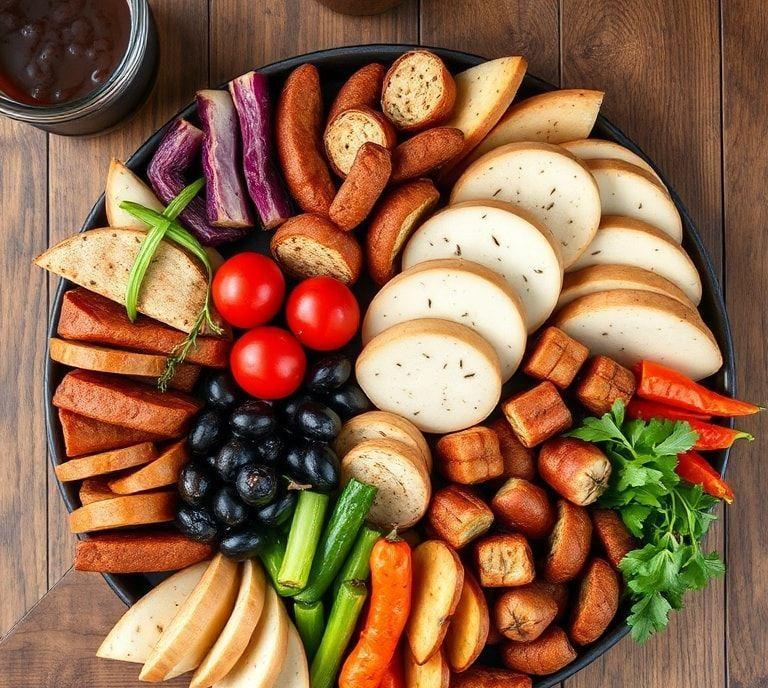
A charcuterie board without the meat? Absolutely. A well-curated vegetarian charcuterie board is every bit as satisfying. Picture a mix of cheeses, fruits, vegetables, nuts, and spreads that offer everything from creamy and tangy to crunchy and sweet. And don’t worry, you don’t have to be a gourmet chef to pull it off. You just need a few ingredients and a little creativity.
Ingredients Needed
Here’s a list of all the ingredients you’ll need for the perfect vegetarian charcuterie board. Think of it as a general roadmap, but feel free to customize it based on your preferences.
Cheeses
- Brie – A soft, buttery cheese that practically melts in your mouth.
- Sharp Cheddar – For a nice contrast, add some sharp cheddar with its tangy bite.
- Goat Cheese – Creamy and tangy, perfect for spreading on crackers.
- Aged Manchego – Slightly nutty and firm, it adds complexity.
- Blue Cheese (optional) – For a bold, earthy flavor.
Fruits
- Grapes – They’re sweet, fresh, and perfect for pairing with cheese.
- Apples or Pears – Crisp, refreshing, and they balance out the richness of the cheeses.
- Dried Fruits – Think figs, apricots, or raisins for a chewy contrast.
Nuts
- Almonds – Lightly salted or smoked almonds bring a nice crunch.
- Walnuts – A bit more earthy and perfect with a soft cheese like brie.
- Pistachios – Their vibrant green color adds a fun pop to the board.
Vegetables
- Carrot Sticks – Fresh, crunchy, and colorful.
- Cucumber – Sliced thin, cool, and refreshing.
- Cherry Tomatoes – Bright and juicy, they add a pop of color.
- Olives – A savory addition that pairs well with cheeses.
Spreads & Dips
- Hummus – A creamy dip that can be flavored with garlic, roasted red pepper, or lemon.
- Fig Jam – The perfect balance of sweetness to complement the cheese.
- Olive Tapenade – A salty, briny spread that enhances the whole flavor profile.
Crackers & Bread
- Water Crackers – Light and neutral, perfect for letting the cheese shine.
- Sliced Baguette – Crispy and golden, a must-have for spreading the soft cheeses.
- Breadsticks – Adds a nice textural contrast.
Cooking Instructions
Now that you’ve gathered your ingredients, it’s time to assemble your vegetarian charcuterie board. There’s no need to stress – it’s more about presentation than cooking. Here’s the step-by-step process:
-
Prepare The Base
Choose a large platter, wooden board, or even a cutting board – something that allows you to spread everything out beautifully. Start by placing your cheeses. Arrange them with a little space between each one to keep things neat.
-
Add The Fresh And Dried Fruits
Scatter the grapes, apple slices, and pears around the cheeses. Dried fruits like figs or apricots can be tucked into corners or placed next to cheeses they complement.
-
Layer The Vegetables
Arrange carrot sticks, cucumber slices, and cherry tomatoes in little sections. This adds color and a refreshing contrast to the richness of the cheeses.
-
Incorporate Nuts And Crackers
Place small piles of almonds, walnuts, and pistachios. Add a stack of crackers and some slices of baguette, making sure they’re easy for guests to grab.
-
Add The Spreads
Put the hummus, fig jam, and olive tapenade in small bowls or ramekins. You can even drizzle some honey over the cheese for extra sweetness. These will serve as the delicious finishing touches.
-
Finish With Garnishes
A sprig of rosemary or thyme can elevate the visual appeal of your board, adding a touch of elegance. Don’t forget to offer napkins or small plates for easy serving.
Ingredient Science Spotlight
Let’s dive into the science of why these ingredients work so well together. The key to any successful charcuterie board lies in balancing different textures and flavors. Here’s how the ingredients interact on a deeper level:
-
Cheese & Fat
Cheese, especially creamy ones like brie or goat cheese, provides fat. Fat enhances the flavors of other ingredients, balancing out the sharpness of the crackers or the acidity of fruits. It’s also why cheese pairs so well with wine – fat softens tannins, making the wine smoother and more harmonious.
-
Fruits & Acidity
Fruits like apples and grapes add a touch of acidity, which cuts through the richness of the cheeses and provides a refreshing contrast. The sweetness of dried fruits like figs also pairs with the tangy flavors of cheese, creating a symbiotic relationship where neither one overpowers the other.
-
Nuts & Texture
The nuts bring crunch, which is vital in creating a multi-layered sensory experience. Cheeses can be creamy and soft, so a bit of bite adds contrast, making the entire board more satisfying to eat.
-
Vegetables & Freshness
Fresh vegetables like cucumbers and carrots act as palate cleansers between bites of cheese, preventing the flavors from becoming too overwhelming. They also introduce a lighter, fresher element, which helps balance the richness of the other ingredients.
-
Spreads & Flavor Depth
Spreads like hummus and tapenade serve as flavor bombs. They provide saltiness and depth to the board, complementing the cheese without overshadowing it. Fig jam brings sweetness that contrasts beautifully with savory notes.
Expert Tips
-
Balance Flavor Profiles
When choosing cheeses, aim for a balance between soft, creamy, sharp, and tangy. You don’t want all the cheeses to taste the same. Add variety, but don’t overdo it-four to five types is usually enough.
-
Go Seasonal
The beauty of a charcuterie board is that you can make it fit the season. During fall, apples, figs, and roasted nuts are perfect. In summer, berries, stone fruits, and lighter cheeses like ricotta shine.
-
Think Color
The more colorful your board, the more inviting it will look. Include plenty of greens, reds, oranges, and yellows. You can even add herbs like basil or rosemary for pops of color.
-
Pre-slice Some Ingredients
For easy access, pre-slice fruits like apples or pears, and give your cheeses a little head start by cutting some into bite-sized pieces.
-
Chill Your Cheeses
Let your cheeses come to room temperature before serving. Cold cheese doesn’t have the same flavor intensity, so this little step makes a big difference.
Recipe Variations
There’s so much room to make this board your own. Here are some ideas:
-
Mediterranean Twist
Swap out the standard crackers for pita chips, add some marinated artichokes, roasted red peppers, and feta cheese. Serve with a side of tzatziki or baba ghanoush for dipping.
-
Sweet & Savory
Add a drizzle of honey on the cheese or include some dark chocolate pieces. For a more decadent board, try including some caramelized nuts or roasted figs.
-
Plant-Based
For a fully vegan board, include plant-based cheeses, hummus, fresh veggies, fruits, and nuts. You can even add olives or marinated mushrooms for a savory touch.
Final Words
A vegetarian charcuterie board is more than just a snack – it’s an experience. It’s about sharing flavors, textures, and stories with the people you care about. Every bite becomes a new adventure, a little moment of joy in a busy world. The beauty of this board is that it’s so customizable. You can play with ingredients, make it seasonal, and cater it to any occasion.
FAQs
What Are The Essential Components Of A Vegetarian Charcuterie Board?
A well-rounded vegetarian charcuterie board typically includes a combination of plant-based proteins, cheeses, fresh and dried fruits, nuts, crackers or bread, and flavorful spreads. Common plant-based proteins include hummus, marinated tofu, or roasted chickpeas. Cheese options can include dairy or vegan alternatives. Fresh fruits like grapes, berries, or apple slices provide sweetness, while dried fruits such as apricots or figs add texture. Nuts like almonds or cashews contribute crunch, and an assortment of crackers or bread rounds out the board. Spreads like pesto, tapenade, or flavored hummus enhance flavor diversity.
How Can I Make A Vegetarian Charcuterie Board Visually Appealing?
Visual appeal is key for any charcuterie board. Start by arranging ingredients with contrasting colors and textures to create visual interest. Use small bowls for spreads and dips to maintain organization. Layer different shapes and sizes, such as round cheese slices, cubed tofu, or clusters of grapes, to break monotony. Garnish with fresh herbs like rosemary or thyme to add both aroma and elegance. Ensure that there is a balance of elements across the board, avoiding crowding, so each component is easily accessible and aesthetically pleasing.
What Are Some Creative Vegetarian Alternatives To Traditional Charcuterie Meats?
Vegetarian alternatives can include smoked or marinated tofu, tempeh slices, seitan, or vegan deli slices. Roasted or spiced vegetables like bell peppers, eggplant, or zucchini can mimic savory meat flavors when seasoned well. Additionally, olives, sun-dried tomatoes, and pickled vegetables add savory depth similar to cured meats. Combining these with complementary cheeses, nuts, and spreads creates a satisfying and diverse board without animal products, while still offering the variety and richness typically associated with traditional charcuterie.