Making a cheesecake that doesn’t rely on dairy or eggs might sound like a strange challenge, but once you get the hang of it, it can be surprisingly easy – and just as indulgent as any traditional cheesecake. A vegetarian cheesecake (yes, that’s right, one that’s totally free of animal products) is a wonderful treat for anyone looking to reduce their environmental impact or follow a plant-based lifestyle. But even if you’re not strictly vegetarian or vegan, this dessert can stand alone as a delightfully creamy, rich indulgence.
I remember the first time I tried making a vegetarian cheesecake. It wasn’t my first time baking, but it was the first time I’d attempted something like this. I was excited yet skeptical, unsure if I could capture that quintessential cheesecake experience-creaminess, sweetness, a bit of tang, and of course, the richness of a decadent treat. Much to my surprise, the results were incredible. The texture was just right-smooth, velvety-and the flavor was a perfect balance between sweet and tart. No one guessed it was vegetarian, and that’s the magic of it!
So, if you’re up for a little kitchen adventure, let’s dive in. I’ll take you through all the steps, plus some tips and tricks I’ve learned along the way.
Vegetarian Cheesecake Recipe
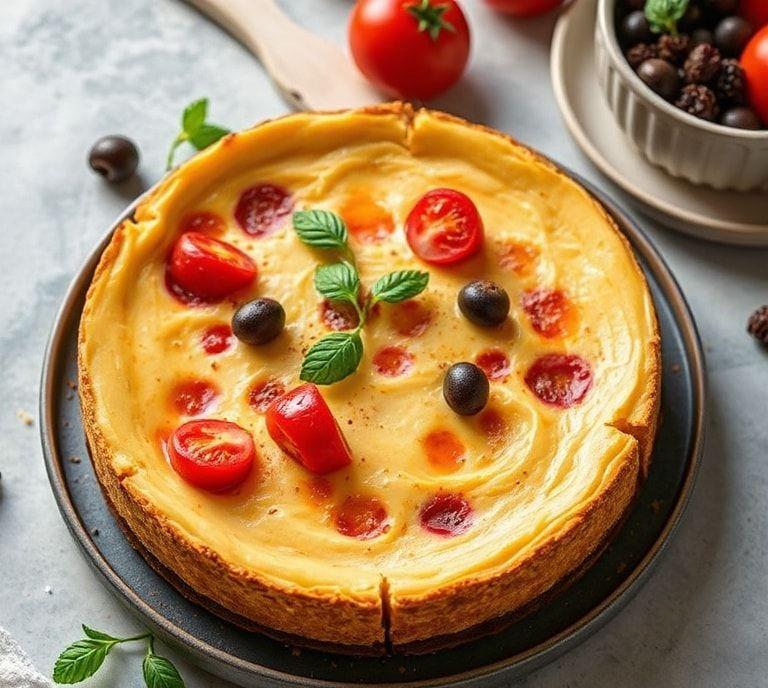
Ready to try your hand at this vegetarian cheesecake? Let me guide you through the process step by step. This is a basic no-bake version, which means it’s perfect for busy days or when you don’t want to turn on the oven. It’s smooth, creamy, and feels like a small slice of heaven with each bite.
Prep time: 30 minutes
Chill time: 4 hours (or overnight)
Serves: 8
Ingredients Needed
For the crust:
- 1 ½ cups crushed graham crackers (about 10-12 crackers)
- ¼ cup melted coconut oil (or your preferred plant-based butter)
- 2 tablespoons sugar (optional, depending on your sweetness preference)
For the cheesecake filling:
- 1 ½ cups raw cashews (soaked for at least 4 hours or overnight)
- ½ cup coconut cream (full-fat, from a can)
- ¼ cup maple syrup or agave syrup
- 2 teaspoons vanilla extract
- 2 tablespoons lemon juice (freshly squeezed is best)
- ½ teaspoon ground turmeric (for color-totally optional)
- 2 tablespoons coconut oil (melted)
For decoration (optional but highly recommended):
- Fresh berries (blueberries, raspberries, or strawberries work wonderfully)
- A drizzle of melted dark chocolate or a few crushed nuts
Cooking Instructions
-
Prepare The Crust
Start by preheating your fridge or freezer. A cool crust will set better once it’s in the pan. In a mixing bowl, combine your crushed graham crackers, melted coconut oil, and sugar. If you want a sweeter crust, add a bit more sugar, but keep in mind that the filling will already be sweet. Press this mixture firmly into the base of a springform pan (or a regular pie pan) and smooth it out evenly. You can use the back of a spoon to compact it, making sure it’s tightly packed for the best texture. Pop this into the fridge while you make the filling.
-
Prepare The Filling
For the filling, start by draining your soaked cashews (soaking them softens them for a creamy texture). Toss them into a high-powered blender or food processor. Add in the coconut cream, maple syrup, vanilla extract, lemon juice, and melted coconut oil. If you want that classic cheesecake color, you can add a pinch of turmeric for a golden touch. Blend everything until it’s silky smooth and creamy. This part is key-give it a taste and adjust the sweetness or tang as you like. Some people prefer a bit more lemon juice for a punchier flavor, so feel free to get creative here.
-
Assemble The Cheesecake
Once the filling is smooth, carefully pour it over the chilled graham cracker crust. Smooth the top out with a spatula and tap the pan gently to release any air bubbles. Cover the pan with plastic wrap or foil and place it in the fridge. Now, the hardest part-waiting! Let it chill for at least 4 hours, or better yet, overnight. This gives the cheesecake a chance to set and develop its full flavor.
-
Serve And Enjoy
Once it’s set, remove the cheesecake from the pan and place it on a serving platter. Decorate it with fresh berries, a drizzle of melted dark chocolate, or some crushed nuts for added texture. Slice it up, and get ready for the compliments!
Ingredient Science Spotlight
The beauty of a vegetarian cheesecake lies in the clever use of plant-based ingredients to replicate the creamy texture and tangy flavor of traditional cheesecake. Let’s break down a few key components:
- Cashews: These are the secret ingredient for the creamy filling. When soaked and blended, cashews create a texture remarkably similar to cream cheese, making them an ideal base for the filling. Cashews are also high in healthy fats, contributing to the richness you expect from a cheesecake.
- Coconut cream: This ingredient provides the luscious, creamy texture and a subtle coconut flavor that complements the cashews perfectly. Full-fat coconut cream is packed with fat, giving your cheesecake that indulgent mouthfeel without the dairy.
- Lemon juice: Cheesecake has a slight tang, which is often derived from cream cheese in traditional recipes. Lemon juice adds a similar acidity, brightening up the flavor of the filling and balancing out the sweetness from the maple syrup.
- Maple syrup: Maple syrup isn’t just a natural sweetener-it also adds a depth of flavor that sugar alone can’t provide. The caramel-like undertones of maple syrup play well with the creamy filling.
- Coconut oil: This oil helps to bind the filling together and adds richness while keeping the cheesecake plant-based. It also helps to solidify the filling as it cools, giving it that firm but smooth texture.
Expert Tips
- Soak your cashews: Cashews need to be soaked before blending to achieve that smooth, creamy texture. Soaking for at least 4 hours (or overnight) will give you the best results.
- Use a high-powered blender or food processor: For the smoothest texture, you’ll need a powerful blender. A food processor works, but the filling might not be as velvety.
- Chill for long enough: Don’t rush this part! A cheesecake that’s been allowed to chill for several hours (or overnight) will hold together better and have a more developed flavor.
- Mix up the crust: Feel free to swap out the graham crackers for a different type of biscuit or cookie. Gluten-free options are available too-just make sure to check the consistency as you may need to adjust the amount of liquid.
Recipe Variations
If you want to take your cheesecake to the next level, here are a few ways to customize the recipe:
- Chocolate Cheesecake: Add ½ cup of melted dark chocolate into the filling mixture for a rich, decadent twist.
- Fruit Swirl: Gently fold in fruit puree like strawberry, blueberry, or mango before chilling for a fruity swirl effect.
- Nut Crust: Instead of using graham crackers, try a crust made from almonds, pecans, or even walnuts for a more rustic flavor.
- Baked Version: While this is a no-bake cheesecake, if you prefer a traditional baked one, you can transfer the filled crust into the oven at 350°F for about 40-45 minutes, but be sure to let it cool completely before serving.
Final Words
What’s great about vegetarian cheesecakes is that they don’t sacrifice any of the richness or flavor you expect from a traditional dessert. Whether you’re catering to dietary preferences, looking to try something new, or simply want a more sustainable option, this cheesecake ticks all the boxes.
Over the years, I’ve found that some of the most rewarding moments in the kitchen are when you get to experiment and share something unexpected with others. This vegetarian cheesecake is one of those treats that’s bound to wow anyone who tries it-whether they’re vegetarian or not.
FAQs
What Are The Main Ingredients In A Vegetarian Cheesecake?
The main ingredients in a vegetarian cheesecake typically include cream cheese (or plant-based alternatives like cashew or tofu), sugar, eggs (or egg substitutes), graham crackers or other cookie crust, butter (or a plant-based alternative), and flavorings such as vanilla or lemon. Some recipes may also use plant-based alternatives for dairy products to make the cheesecake fully vegan.
Can I Make A Vegetarian Cheesecake Without Gelatin?
Yes, you can make a vegetarian cheesecake without gelatin. Many vegetarian cheesecake recipes use alternatives like agar-agar, a plant-based thickening agent derived from seaweed, or cornstarch to help set the filling. Additionally, some recipes rely on the natural firmness of blended tofu or cashews to create the creamy texture without the need for gelatin.
How Can I Make A Vegetarian Cheesecake Crust Gluten-free?
To make a vegetarian cheesecake crust gluten-free, substitute traditional graham crackers with gluten-free alternatives. You can use gluten-free graham crackers or crush gluten-free cookies like almond, coconut, or oat-based varieties. Additionally, you can use ground nuts (such as almonds or walnuts) combined with butter or a dairy-free alternative to form a sturdy, gluten-free crust.