When I first decided to try a vegetarian diet, the one thing that always felt like a missing piece was chicken. I didn’t realize how much I relied on it for everything from quick meals to heartier dishes until I found myself staring into a fridge full of vegetables and grains, wondering how to fill that void. Then came the lightbulb moment: vegetarian chicken! It’s a magical way to get the same satisfying texture and taste you’re used to, without any of the animal products. The best part? You don’t have to be a vegan or a full-time vegetarian to enjoy it.
Over time, I’ve perfected my go-to recipe that brings comfort, flavor, and nutrition in one tidy package. Whether you’re doing it for health reasons, ethical reasons, or simply looking for something fresh in your meal planning, this vegetarian chicken recipe can fit seamlessly into your life. So let me take you through how you can create a version of ’chicken’ that’s just as satisfying as the real thing – without a single feather involved!
Vegetarian Chicken Recipe
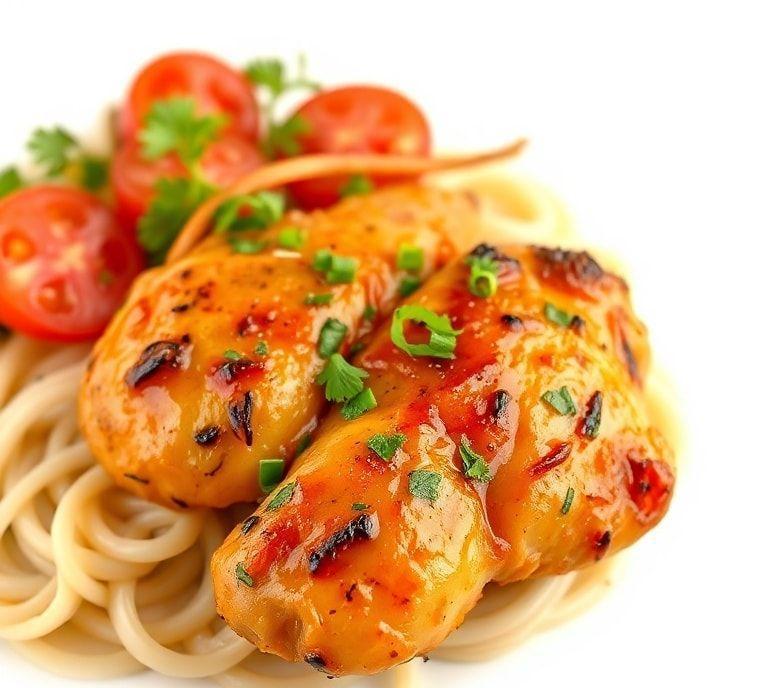
If you’re new to the world of plant-based alternatives, making vegetarian ’chicken’ can feel a bit like stepping into an uncharted territory. But trust me, once you have the right ingredients and techniques, it becomes as second nature as making a traditional roast. This recipe is based on the magic of soy protein or seitan, which is a highly versatile ingredient that can mimic the chewy texture of chicken. And with the right seasonings, you get that rich, savory taste too. Here’s a step-by-step breakdown of how to bring this vegetarian chicken to life:
Ingredients Needed
- Seitan (or Soy Protein) – This is the heart of your vegetarian chicken. Seitan is made from gluten, which gives it that wonderful chewy texture. If you’re not a fan of gluten or want something lighter, soy protein is an excellent substitute. Either option works well in this recipe.
- Vegetable Broth – For simmering the seitan or soy protein, the vegetable broth is key to infusing flavor into the ’chicken’ before you cook it. Opt for a low-sodium variety so you can control the seasoning in the next steps.
- Olive Oil – You’ll need some fat for sautéing the ’chicken’ later. Olive oil brings a lovely depth of flavor without overpowering the other ingredients.
- Nutritional Yeast – This adds a cheesy, umami flavor that’s perfect for building a meaty taste without any actual cheese. It’s like the secret ingredient that takes it to the next level.
- Garlic Powder & Onion Powder – These two are practically essential in every vegetarian chicken recipe. They infuse the dish with a savory depth that makes it hard to believe it’s not real chicken.
- Paprika (optional) – If you like a little smoky flavor, paprika will do the trick. It’s subtle but really adds complexity.
- Fresh Lemon Juice – A splash of lemon juice at the end balances everything out with a bit of acidity and brightness, helping to cut through the richness.
Cooking Instructions
-
Prepare The Seitan Or Soy Protein
Start by cutting your seitan into bite-sized pieces, similar to how you would cut chicken breast into strips or cubes. If you’re using soy protein, hydrate it according to the package instructions-usually just soaking it in hot water for 10-15 minutes will do the trick.
-
Simmer In Broth
In a large saucepan, pour in your vegetable broth and bring it to a simmer. Add in your seitan or soy protein and cook for about 20 minutes, allowing it to soak up all the flavor from the broth. This step is crucial because it ensures that your ’chicken’ has a juicy, tender texture before you even begin cooking it.
-
Sauté The ’Chicken’
In a large skillet, heat your olive oil over medium heat. Once hot, add your hydrated and drained seitan or soy protein and sauté for about 5-7 minutes, until it gets a little crispy on the edges and starts to develop a golden brown color. This step helps the texture become more chicken-like and adds a delicious crispy layer.
-
Season The ’Chicken’
Now comes the fun part. Sprinkle in your garlic powder, onion powder, paprika, and nutritional yeast. Stir everything well to make sure every piece is coated. Taste it and add salt and pepper to your liking. You want that perfect balance of savory, rich flavors.
-
Finish With Lemon
Just before serving, squeeze a little fresh lemon juice over the “chicken”. The acidity cuts through the richness and makes the whole dish pop.
Ingredient Science Spotlight
Let’s talk for a moment about why seitan is such a stellar ingredient. Seitan is made by washing wheat flour dough to remove the starch, leaving behind the gluten. This dense, elastic mass is what gives seitan its signature chewy texture that mimics meat in a way other plant proteins simply can’t. It’s a great source of protein (about 25 grams per 3-ounce serving) and has a neutral flavor, which makes it ideal for absorbing all those delicious seasonings.
On the other hand, soy protein is derived from soybeans and is a complete protein, meaning it contains all nine essential amino acids your body needs. Soy-based products like tofu, tempeh, and soy protein isolate have become go-to alternatives for vegetarians and vegans because they can take on various textures and flavors. In this recipe, soy protein offers a lighter, less chewy option than seitan, but still delivers a fantastic, ’chicken-like’ experience.
Expert Tips
- Don’t Skip the Simmering: A lot of recipes skip the broth step, but I think it’s crucial. Without it, the seitan can be dry and bland. Simmering in vegetable broth infuses the protein with flavor and makes it tender before you even start sautéing.
- Control the Texture: For a more ’chicken-like’ texture, use seitan instead of soy protein. But if you’re after something a little lighter and easier to digest, soy protein is a great choice. You can also experiment with the cooking time-if you want it extra chewy, simmer it longer, and if you prefer a softer bite, simmer it less.
- Play with the Seasonings: One of the joys of making vegetarian chicken at home is how customizable it is. If you like spicy food, add some cayenne pepper or red chili flakes. If you’re a fan of herbaceous flavors, try rosemary or thyme. This recipe is a great base, but it’s easy to make it your own.
- Serve It Right Away: While it’s tempting to prep this ahead of time, this dish is at its best when it’s freshly made. The seitan or soy protein can become a little rubbery if stored and reheated, so enjoy it right after it’s cooked for the best texture and flavor.
Recipe Variations
- BBQ “Chicken”: After sautéing the seitan or soy protein, toss it in your favorite BBQ sauce for a smoky, tangy variation.
- Chicken Salad: Take the sautéed “chicken”, chop it up, and mix it with vegan mayo, celery, and a bit of mustard for a deliciously creamy chicken salad. Serve it on a sandwich or wrap for a refreshing lunch.
- Spicy Asian “Chicken”: Season the seitan or soy protein with soy sauce, sesame oil, ginger, and chili paste, and serve it with stir-fried vegetables and rice for a bold, spicy dish.
- Grilled “Chicken”: For those warmer months, marinate your seitan or soy protein in a flavorful BBQ marinade and grill it for a smoky, charred flavor that’s perfect for burgers or kebabs.
Final Words
As someone who’s lived with the same love for comfort food and satisfying textures, I can confidently say that vegetarian ’chicken’ is something you can’t just write off as an afterthought in plant-based cooking. When prepared right, it can be just as satisfying and filling as the real thing-without the need for animal products. It’s an excellent way to dip your toes into the world of meat alternatives, even if you’re not ready to dive in fully.
The beauty of this dish is that it’s versatile enough to fit into whatever meal you need. A quick stir-fry? Done. A hearty sandwich? Easy. A simple side for your favorite pasta? Absolutely. The possibilities are endless.
FAQs
What Are Some Common Ingredients Used In Vegetarian Chicken Recipes?
Common ingredients in vegetarian chicken recipes include plant-based protein sources such as tofu, tempeh, seitan, and jackfruit. These ingredients are often combined with spices, sauces, and vegetables to mimic the flavor and texture of chicken. Additionally, some recipes use chickpeas, lentils, or quinoa for added protein and texture.
Can I Substitute Real Chicken With Vegetarian Chicken In Any Recipe?
Yes, vegetarian chicken can often be used as a direct substitute for real chicken in many recipes, especially in dishes like stir-fries, curries, sandwiches, or wraps. The key is to choose the right type of vegetarian chicken (e.g., tofu, seitan, or soy-based products) to match the desired texture and flavor profile of the dish. You may need to adjust cooking times or seasonings to better complement the vegetarian chicken.
How Do I Make Vegetarian Chicken Taste More Like Real Chicken?
To make vegetarian chicken taste more like real chicken, focus on seasoning and marinating. Use ingredients like soy sauce, liquid smoke, nutritional yeast, garlic powder, onion powder, and smoked paprika to enhance the umami flavor. Additionally, marinating your vegetarian chicken substitute for several hours in a flavorful broth or sauce can help improve its taste. You can also try cooking it with herbs and spices commonly used with chicken, like thyme, rosemary, or sage.