A hearty stew can feel like a comforting hug on a cold day, or even just a soul-soothing break from the hustle of life. One of my favorite stews to make is a vegetarian chickpea stew. It’s one of those dishes that makes your house smell like home and offers the warmth that only a well-cooked meal can provide. I started making this stew years ago when I was looking for something both satisfying and healthy, and it’s become a staple in my kitchen. It’s one of those recipes that can be customized based on what you have on hand, but the core of it-the chickpeas and rich, aromatic spices-are what make it shine.
What I love most about this stew is how it’s simple to make yet feels incredibly luxurious once it’s in front of you. The chickpeas offer a nutty, creamy base, and the combination of spices gives it a depth of flavor that feels like it’s been simmering all day. Even if you’re not a vegetarian, this dish can stand on its own as a hearty, filling meal. Plus, the leftovers? They get better the next day, and it’s always a pleasure to come home to a bowl of this comforting stew waiting for you.
Vegetarian Chickpea Stew Recipe
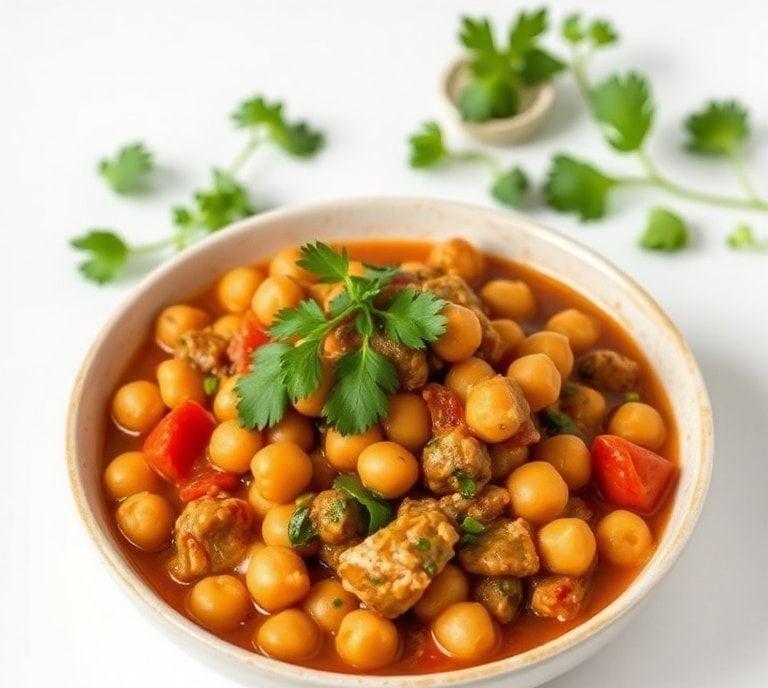
Here’s the recipe that’s been my go-to for years. It’s perfect for a cozy weeknight dinner or a meal prep for the week ahead. And you don’t need to be an experienced cook to make it-just follow along and let the ingredients do the work. Here’s how you can make this delicious, vegetarian chickpea stew.
Ingredients Needed
- 1 can of chickpeas (or 1 ½ cups cooked chickpeas)
- 1 tablespoon olive oil
- 1 medium onion, chopped
- 2 cloves garlic, minced
- 1 large carrot, peeled and sliced
- 1 zucchini, chopped
- 1 can diced tomatoes (14.5 oz)
- 4 cups vegetable broth
- 1 teaspoon ground cumin
- 1 teaspoon ground turmeric
- 1 teaspoon ground coriander
- 1 teaspoon smoked paprika
- ½ teaspoon cinnamon (yes, trust me on this one!)
- Salt and pepper, to taste
- Fresh cilantro, chopped (for garnish)
- Juice of 1 lemon
- Optional: Red chili flakes, for a bit of heat
Cooking Instructions
- Prep the base: Start by heating the olive oil in a large pot or Dutch oven over medium heat. Add the chopped onion and cook until it becomes soft and translucent, about 5 minutes. Stir in the minced garlic and let it cook for about 1 minute until fragrant.
- Build the flavor: Add the carrots and zucchini to the pot, and cook for another 5 minutes, stirring occasionally. This is where the vegetables begin to soften, and they start to absorb all those delicious, aromatic flavors.
- Spice it up: Now, the fun part-adding the spices. Sprinkle in the cumin, turmeric, coriander, paprika, and cinnamon. Stir well to coat the vegetables with the spices, letting them toast for about 1-2 minutes. This brings out the full depth of their flavor.
- Add the chickpeas and tomatoes: Pour in the chickpeas (drained and rinsed if using canned), and then add the diced tomatoes, vegetable broth, salt, and pepper. Bring everything to a simmer, and let it cook uncovered for about 25-30 minutes. This gives the flavors time to meld and the broth to thicken slightly.
- Finishing touches: Just before serving, stir in the lemon juice for a fresh, zesty kick, and adjust the seasoning to taste. I love garnishing mine with fresh cilantro and, if I’m in the mood, a sprinkle of red chili flakes for some added heat.
Ingredient Science Spotlight
One of the things that makes this chickpea stew so special is how each ingredient plays a role, not just in flavor but in texture and nutrition as well.
- Chickpeas: These little legumes are packed with protein and fiber, making them the perfect meat substitute. The protein helps you feel full longer, while the fiber aids digestion. They’re also a great source of folate and manganese, which are vital for energy production and bone health.
- Spices (Cumin, Turmeric, Coriander, Smoked Paprika): These spices are a flavor powerhouse, but they also pack some serious health benefits. Cumin and coriander are known for their digestive properties, while turmeric, thanks to its active compound curcumin, has powerful anti-inflammatory effects. Smoked paprika adds a deep smokiness that rounds out the flavors, offering warmth without the need for added fats.
- Cinnamon: It might sound odd to add cinnamon to a savory dish, but it provides a warm, sweet undercurrent that enhances the depth of the other spices. Plus, cinnamon has a long history of being used for its antioxidant and anti-inflammatory properties.
- Zucchini & Carrots: These vegetables add a soft, satisfying texture to the stew. Carrots bring a subtle sweetness, while zucchini soaks up the spices, offering a burst of freshness in every bite.
Expert Tips
- For extra creaminess: If you want a thicker, creamier stew, try mashing some of the chickpeas as they cook. Simply use the back of a spoon or a potato masher to break them down a little. This will thicken the broth and add a velvety texture.
- Add greens: If you want to bump up the nutrients and get some greens in there, throw in a handful of spinach, kale, or chard during the last 5 minutes of cooking. They’ll wilt nicely into the stew and add some extra freshness.
- Make it smoky: If you’re a fan of smokiness, try adding a chipotle pepper or some smoked salt. It will take the flavor profile to another level.
- Adjust the acidity: Depending on the tomatoes you use, the stew may need a little extra acid. If it feels a little flat, add a touch more lemon juice or a splash of vinegar to brighten it up.
Recipe Variations
- Add a protein boost: For those looking for an extra protein punch, you can stir in some cooked quinoa or farro toward the end of the cooking time. They’ll absorb the broth and add an earthy depth to the dish.
- Coconut milk: For a creamy, slightly tropical variation, you can stir in some coconut milk. This adds richness to the broth and softens the spices, making it a bit more luxurious.
- Sweet potatoes or squash: Swap out the carrots for sweet potatoes or even butternut squash. They’ll add a wonderful natural sweetness and pair beautifully with the spices in the stew.
- Roasted veggies: For a different texture and caramelized flavor, try roasting your vegetables before adding them to the stew. Toss the carrots, zucchini, or even some cauliflower in olive oil, salt, and pepper, and roast them at 400°F for about 20 minutes. Then fold them into the stew near the end of cooking.
Final Words
This stew has everything you want in a comforting dish: heartiness, warmth, depth of flavor, and it’s all built on wholesome ingredients. It’s one of those meals that’s incredibly forgiving, too. If you’re missing an ingredient or two, you can swap them out, and it’ll still turn out amazing. What matters most is the combination of flavors-the earthiness of the chickpeas, the warmth of the spices, and the brightness from the lemon-that makes it so special.
Whether you’re vegan, vegetarian, or just looking for a nourishing meal, this chickpea stew is the perfect balance of nutrition and comfort. It’s a dish that’s satisfying in all the right ways, leaving you full without feeling weighed down.
FAQs
What Are The Key Ingredients For A Vegetarian Chickpea Stew?
The key ingredients for a vegetarian chickpea stew include chickpeas (either canned or dried), vegetables such as onions, carrots, and tomatoes, garlic, vegetable broth, olive oil, and a variety of spices like cumin, paprika, turmeric, and bay leaves. Optional ingredients may include greens like spinach or kale, coconut milk for creaminess, and fresh herbs like cilantro for garnish.
How Can I Make Vegetarian Chickpea Stew More Flavorful?
To enhance the flavor of your vegetarian chickpea stew, consider adding extra spices such as smoked paprika, cinnamon, or a pinch of cayenne pepper for heat. Sautéing the garlic, onions, and spices in olive oil before adding the liquids helps release their full flavor. You can also add a dash of lemon juice or vinegar at the end to balance the richness of the stew, and fresh herbs like cilantro or parsley will brighten the taste.
Can I Freeze Vegetarian Chickpea Stew?
Yes, vegetarian chickpea stew freezes well. To freeze, allow the stew to cool completely before transferring it to an airtight container or freezer-safe bag. It can be stored in the freezer for up to 3 months. When reheating, simply defrost overnight in the refrigerator and heat on the stove over low heat, adding a little water or broth if necessary to adjust the consistency.