There’s something about a hearty, comforting bowl of chili that can turn any evening into a cozy, satisfying experience. Whether it’s a chilly evening or you’re just craving something with layers of flavor, this vegetarian chili with quinoa hits all the right notes. It’s rich, packed with protein, and brimming with colorful vegetables that not only bring vibrancy to the dish but also a nutrition-packed punch.
A few years ago, I stumbled across this recipe when I was looking for a new way to get more plant-based meals into my week without sacrificing flavor. I was skeptical at first-after all, how could a vegetarian version of chili stand up to the meaty kind? But let me tell you, I was blown away. The quinoa adds an unexpected twist, providing a nutty texture that mimics the hearty satisfaction you get from meat. This is a chili that even the biggest carnivores in your life will love. Over time, I’ve tweaked it, added new ingredients, and made it my own, but the core of the recipe remains as comforting and filling as ever. It’s a game-changer, and I’m excited to share it with you.
Vegetarian Chili With Quinoa Recipe
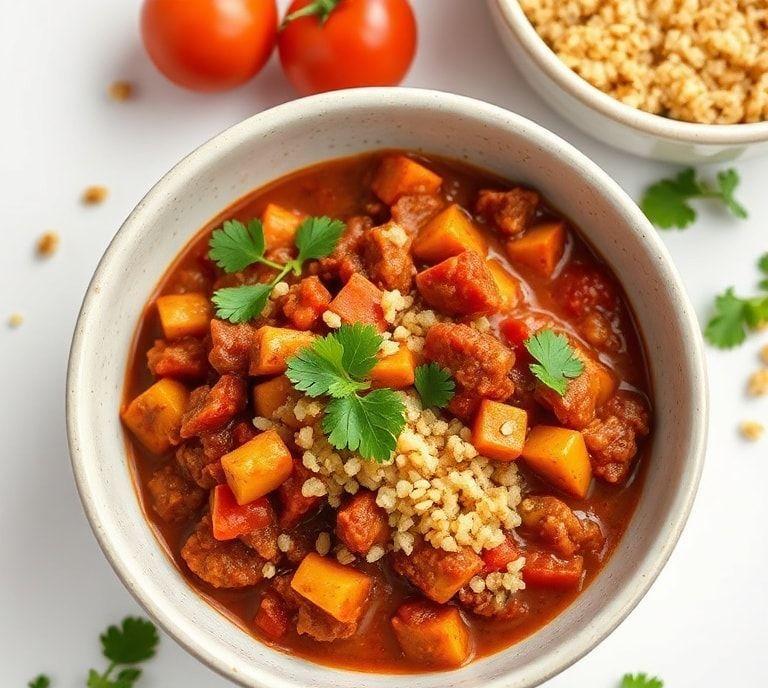
This recipe is all about balance-heartiness from the quinoa, richness from the beans and tomatoes, and a delicious mix of spices that give it that undeniable chili kick. It’s an easy-to-make, throw-together kind of dish that’ll leave you with plenty of leftovers (which, if you’re like me, taste even better the next day).
Ingredients Needed
For this vegetarian chili, you’ll need:
- 1 cup quinoa: This is the base that gives the chili a hearty, almost meaty texture. Quinoa is also a complete protein, meaning it contains all nine essential amino acids.
- 2 tablespoons olive oil: For sautéing the vegetables and creating a flavorful base.
- 1 medium onion: I like to chop mine finely, but you can go chunkier if you prefer more bite.
- 2 cloves garlic: Minced. The more garlic, the better, in my opinion.
- 1 bell pepper: Any color works here, but red gives it a nice sweetness and color.
- 1 zucchini: Zucchini adds a bit of subtle moisture and a fresh bite.
- 1 cup corn kernels: Frozen or fresh. It brings a bit of sweetness and crunch.
- 2 cans (14.5 oz) diced tomatoes: These are the heart of your chili. Go for fire-roasted if you want an extra depth of flavor.
- 1 can (15 oz) kidney beans: The creamy texture of kidney beans is perfect here, but black beans or chickpeas work just as well.
- 1 can (15 oz) black beans: I usually go for low-sodium varieties to control the salt.
- 2 tablespoons tomato paste: Adds a rich, concentrated tomato flavor to round out the base.
- 1 tablespoon chili powder: The backbone of the chili flavor.
- 1 teaspoon cumin: A must for that smoky depth.
- 1 teaspoon smoked paprika: This gives the chili a warm, smoky undertone.
- 1/2 teaspoon cayenne pepper: For heat. Adjust to your spice level tolerance.
- Salt and pepper: To taste.
- 1/2 cup fresh cilantro: For garnish. It’s like the fresh, herbaceous cherry on top!
Cooking Instructions
- Cook the quinoa: Start by rinsing the quinoa under cold water. Then, in a medium saucepan, add the quinoa and 2 cups of water or vegetable broth. Bring it to a boil, then cover and reduce the heat to a simmer. Let it cook for about 15 minutes, or until the quinoa is tender and the water is absorbed. Fluff it with a fork and set aside.
- Sauté the vegetables: In a large pot, heat the olive oil over medium heat. Add the chopped onion and sauté for about 5 minutes, until it softens. Add the garlic, bell pepper, zucchini, and corn, and cook for another 5 minutes, stirring occasionally, until the vegetables start to soften and release their natural juices.
- Build the chili: Stir in the diced tomatoes, tomato paste, kidney beans, black beans, and the cooked quinoa. Now comes the fun part: the spices! Add chili powder, cumin, paprika, cayenne, salt, and pepper. Stir everything together until well combined.
- Simmer: Bring the chili to a boil, then lower the heat and let it simmer uncovered for about 30 minutes, stirring occasionally. This will give the flavors time to meld together and create that deep, rich chili flavor.
- Taste and adjust: After 30 minutes, taste the chili and adjust the seasoning as needed. Want more spice? Add more cayenne. A bit more sweetness? Throw in some extra corn.
- Serve: Ladle the chili into bowls and garnish with fresh cilantro. You can top it off with a dollop of sour cream or avocado slices, depending on your preference.
Ingredient Science Spotlight
Let’s dive into a few of the star ingredients in this dish.
Quinoa: Known as a “superfood”, quinoa is technically a seed, but its texture and versatility make it a perfect substitute for grains. What makes quinoa so special is its complete protein profile-meaning it contains all nine essential amino acids that our bodies can’t produce on their own. It’s also high in fiber, magnesium, and antioxidants, so it’s not just filling but also nutrient-dense.
Cumin and Chili Powder: These two spices are the heart of chili. Cumin has a warm, earthy flavor that adds depth, while chili powder brings that signature kick. Chili powder typically blends dried chilies with cumin, garlic powder, and sometimes a bit of cinnamon, so it’s a great all-in-one spice for chili.
Tomato Paste: You might think of tomatoes as just a liquid base for chili, but tomato paste is a concentrated form that intensifies the tomato flavor. It’s rich and thick, providing a more complex, savory base that balances the sweetness of the corn and the acidity of the tomatoes.
Expert Tips
- Make it Ahead: Chili often tastes better the next day. If you have time, make this a day ahead and let it rest in the fridge overnight. The flavors will deepen, and all you’ll need to do is reheat it.
- Freeze for Later: This recipe makes a good amount of chili, so consider freezing individual portions for a future quick meal. It holds up wonderfully in the freezer for up to three months.
- Spice Control: If you’re not into heat, skip the cayenne pepper and opt for a milder chili powder blend. Conversely, if you like a real kick, double up on the cayenne or add a few slices of fresh jalapeño.
- Add Some Crunch: Serve your chili with a side of crunchy tortilla chips or cornbread to add texture and contrast to the smooth, velvety chili.
Recipe Variations
- Swap the Beans: If you’re not a fan of kidney or black beans, try chickpeas or even white beans like cannellini. Each type adds a unique texture and flavor to the chili.
- Add Some Greens: Stir in some kale, spinach, or chard towards the end of cooking. It will wilt down and give the chili a wonderful burst of green.
- Top it Off: A sprinkle of shredded cheese, a dollop of sour cream, or sliced avocado on top can elevate the chili even further. If you want to make it vegan, opt for non-dairy sour cream or skip the topping altogether.
- Smokier Flavor: Want a smokier chili? Add a tablespoon of chipotle in adobo sauce or use smoked chili powder. This will give the chili a deeper, more robust flavor.
Final Words
I love how this recipe manages to be both comforting and fresh at the same time. The quinoa provides that heartiness I crave, while the beans and vegetables keep it feeling light and nourishing. This chili is also incredibly customizable. Whether you’re trying to eat more plant-based, need to use up some leftover veggies, or just want a cozy bowl of chili, this recipe is here to deliver.
FAQs
Can I Make Vegetarian Chili With Quinoa Ahead Of Time?
Yes, vegetarian chili with quinoa can be prepared in advance. It actually benefits from sitting for a few hours or overnight, as the flavors have more time to meld. Store it in an airtight container in the refrigerator for up to 4-5 days, or freeze portions for up to 3 months. When reheating, you may need to add a splash of vegetable broth or water to maintain the desired consistency.
How Can I Adjust The Spiciness Of The Chili?
The spiciness of vegetarian chili with quinoa can be controlled by adjusting the amount and type of chili peppers, chili powder, or hot sauce used. For a milder chili, reduce or omit spicy ingredients and use sweet paprika or bell peppers for flavor. For a spicier version, add cayenne pepper, diced jalapeños, or hot chili powder gradually, tasting as you go to avoid over-spicing.
Is Quinoa A Good Substitute For Meat In Chili?
Yes, quinoa is an excellent meat substitute in vegetarian chili. It provides a high-protein, gluten-free, and fiber-rich alternative, giving the chili a hearty texture. Quinoa also absorbs flavors well, enhancing the overall taste of the chili while keeping it nutritious and satisfying.