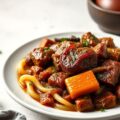
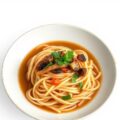
When the weather turns chilly or you’re in need of a meal that’s both comforting and nourishing, a warm bowl of soup can be just what you need. But, if you’re craving something different from the usual, why not try a vegetarian Chinese soup? It’s one of those dishes that feels like a hug in a bowl-fragrant, hearty, and packed with deep umami flavors. In my own cooking journey, I’ve often turned to Chinese soups for their balance of fresh vegetables, delicate broths, and rich spices. And the beauty of it all is that they’re incredibly adaptable, depending on what’s in your pantry and what flavors you’re craving.
One of my favorite things about Chinese soup recipes is their ability to combine ingredients that work in harmony, creating a symphony of flavors and textures that you just wouldn’t expect. Whether you’re a seasoned cook or just beginning, Chinese soups are a great way to step outside your usual comfort zone and explore new ingredients.
So let’s dive into this vegetarian Chinese soup recipe. It’s easy to make, doesn’t require any fancy techniques, and brings a taste of something fresh and exciting to your kitchen.
Vegetarian Chinese Soup Recipe
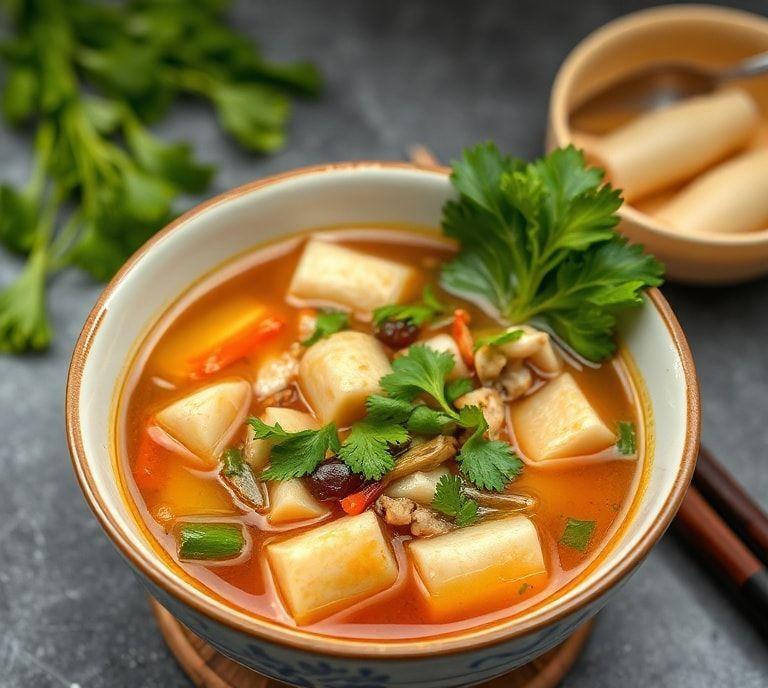
This vegetarian Chinese soup is an aromatic mix of vegetables, tofu, and a fragrant broth made from a base of mushrooms and soy sauce. The soup is not only healthy but also a celebration of the flavors that make Chinese cooking so beloved-savory, umami-rich, with subtle notes of ginger and garlic. It’s the kind of soup that warms you from the inside out, especially after a long day.
I first came across this recipe on a cold winter afternoon when I was craving something light yet comforting. I had a few ingredients in my kitchen, but I wanted something different than my usual vegetable broth. I started experimenting, throwing in mushrooms, some tofu, and a little soy sauce-and the result was nothing short of magic. Since then, I’ve made this soup many times, tweaking it here and there to suit my taste. It’s one of those recipes that’s perfect for customizing based on your preferences or what’s available.
Ingredients Needed
Here’s a list of what you’ll need to make this flavorful vegetarian Chinese soup. These ingredients come together beautifully to create a soup that’s both simple and packed with flavor.
- Tofu (firm or extra-firm) – Tofu is a great protein substitute in vegetarian soups. It absorbs the flavors of the broth, adding texture and richness. You’ll want to use firm tofu, so it holds up well in the soup and doesn’t disintegrate.
- Mushrooms (shiitake or cremini) – Mushrooms are an absolute staple in Chinese soups. Shiitake mushrooms, in particular, bring a rich umami depth to the broth, while cremini mushrooms add an earthiness that complements the other ingredients perfectly.
- Vegetable broth – You can use store-bought vegetable broth or make your own with some basic veggies and spices. The broth is the heart of the soup, so you want something that’s flavorful and savory.
- Ginger – Fresh ginger adds a warming spiciness to the soup that’s perfect for a cold evening. It also brings a slight bite that balances the richness of the tofu and mushrooms.
- Garlic – Garlic infuses the broth with a savory aroma that’s almost irresistible. Don’t skimp on it-this ingredient is a key player in bringing out the best in all the flavors.
- Soy sauce – Soy sauce is essential for adding that unmistakable umami flavor. It’s what gives the soup its depth and complexity. Use low-sodium soy sauce if you prefer a less salty taste.
- Scallions – These add a fresh, oniony bite that brightens the soup. Plus, they’re great for garnishing the dish when you’re ready to serve.
- Rice noodles (optional) – If you want to make the soup more filling, you can toss in some rice noodles. They soak up the broth beautifully and add a satisfying texture to the soup.
- Chinese five-spice powder – This is optional, but it brings a warm, aromatic complexity to the soup. The blend of cinnamon, star anise, fennel, cloves, and Szechuan peppercorns can really elevate the flavor.
- Sesame oil – A dash of sesame oil at the end of cooking adds a nutty richness that ties everything together and adds that authentic flavor found in Chinese soups.
Cooking Instructions
Now that you’ve got all your ingredients, let’s get cooking! This soup is straightforward and doesn’t require any special equipment-just a good pot and your trusty cutting board.
- Prepare the ingredients: Slice the mushrooms, cube the tofu into bite-sized pieces, and chop the garlic and ginger. Slice the scallions thinly for garnish later. If you’re using rice noodles, cook them according to the package instructions, and set them aside.
- Saute the aromatics: In a large pot, heat a tablespoon of vegetable oil over medium heat. Add the garlic and ginger, cooking until fragrant-about 1 minute. You’ll start to smell that wonderful warming aroma that will fill your kitchen.
- Add the mushrooms: Toss in the sliced mushrooms and sauté for another 3-4 minutes until they begin to soften and release their moisture. This step helps to build flavor and ensures that the mushrooms become tender and flavorful.
- Add the broth: Pour in the vegetable broth and soy sauce. Stir to combine, and bring the soup to a simmer. Let it cook for about 10-15 minutes to allow the flavors to meld together.
- Add the tofu: Gently add the tofu cubes to the pot. Simmer for another 5-7 minutes, just long enough for the tofu to absorb some of the broth.
- Season and adjust: Taste the soup and adjust the seasoning with more soy sauce or a pinch of Chinese five-spice powder if desired. Add a dash of sesame oil for that final layer of flavor.
- Serve: If you’re adding rice noodles, divide them between bowls and ladle the soup over the top. Garnish with chopped scallions, and serve hot.
Ingredient Science Spotlight
One of the most exciting parts about cooking with vegetables, tofu, and broth is the way the ingredients interact to create that savory, umami-packed flavor we love in Chinese cooking. The tofu, being quite neutral, soaks up all the flavors of the broth, while the mushrooms-particularly shiitake-bring in a deep, earthy umami.
Speaking of umami, it’s an essential concept in Chinese cuisine. This ’fifth taste’ (in addition to sweet, sour, salty, and bitter) is largely driven by glutamate, a naturally occurring compound in foods like mushrooms, soy sauce, and tomatoes. When you combine these ingredients, they work together to create a taste sensation that feels both rich and satisfying without being overly heavy.
Another element to highlight is ginger. Fresh ginger doesn’t just add a spicy kick; it also has anti-inflammatory properties and can help aid digestion. Garlic is similarly renowned for its health benefits, including its ability to boost the immune system. So while this soup is comforting and tasty, it’s also packed with ingredients that are good for you!
Expert Tips
- For extra depth: If you want to take your broth to the next level, consider adding a small splash of rice vinegar or a couple of dried shiitake mushrooms to the pot. The dried mushrooms will release even more umami as they rehydrate, creating a richer broth.
- Textures matter: The tofu adds a soft, creamy texture to the soup, but if you prefer something with more bite, you can try frying the tofu cubes in a little oil before adding them to the soup. This creates a crispy outer layer and a soft center that adds contrast to the soup.
- Herbaceous flavor: If you like a little more freshness, add some cilantro or parsley just before serving. It adds a burst of herbal brightness that balances the richness of the broth.
- Make it spicier: If you enjoy heat, feel free to throw in a few dried chilies or a splash of chili oil at the end for that extra kick.
Recipe Variations
While this soup is delicious as is, it’s also quite adaptable. Here are a few ways you can make it your own:
- Add more vegetables: You can throw in additional vegetables like bok choy, carrots, or snow peas for added texture and color.
- Noodle variations: Instead of rice noodles, try using glass noodles or even soba noodles for a different texture. You can also omit noodles entirely for a lighter version of the soup.
- Switch the protein: If you’re not a tofu fan, try tempeh or seitan as your protein. Both will absorb the broth’s flavors nicely.
- Broth customization: For a more intense broth, you can add miso paste or tamari (for a gluten-free version) instead of soy sauce. This will give the soup a more robust, savory flavor.
Final Words
This vegetarian Chinese soup is an incredibly versatile and satisfying dish. It combines the earthy richness of mushrooms, the subtle creaminess of tofu, and the savory depth of soy sauce and garlic. Whether you’re looking for a warming winter meal or something quick and nourishing on a busy weeknight, this recipe fits the bill.
FAQs
What Are Some Common Ingredients In A Vegetarian Chinese Soup Recipe?
Common ingredients in a vegetarian Chinese soup include tofu, mushrooms (like shiitake or wood ear), various vegetables (such as bok choy, napa cabbage, and carrots), vegetable broth, soy sauce, ginger, garlic, and sometimes noodles or rice. Herbs like cilantro and green onions are often used for garnish, while seasonings like sesame oil, five-spice powder, and rice vinegar add depth to the flavor.
How Can I Make A Vegetarian Chinese Soup Recipe Without Using Any Broth?
To make a vegetarian Chinese soup without using pre-made broth, you can create your own by simmering vegetables like onions, garlic, carrots, and celery in water. Adding herbs such as ginger, lemongrass, and star anise can enhance the flavor. For a more savory taste, you can use ingredients like soy sauce, miso paste, or nutritional yeast to add umami without relying on commercial vegetable broth.
Can I Add Protein To A Vegetarian Chinese Soup Recipe?
Yes, adding protein to a vegetarian Chinese soup is simple and versatile. Tofu is the most common plant-based protein used in these soups. It can be added in cubed or fried form. Other options include tempeh, seitan, or edamame. For added texture and protein, you can also include legumes such as lentils or chickpeas, though these are less traditional in Chinese soups.