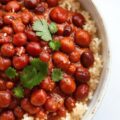
Cooking has always been a source of comfort and creativity for me, and one dish I find myself returning to time and time again is a rich, aromatic vegetarian curry. It’s one of those meals that never gets old, no matter how many times you make it. The beauty of curry lies in its versatility: you can build it up with any number of vegetables, legumes, and spices to create a dish that’s truly your own. What’s more, the deep, complex flavors develop with every simmer, making it perfect for both weeknight dinners and special occasions.
I still remember the first time I made curry from scratch. It was a rainy weekend, and I had just moved into a new apartment. Everything felt so new-too new, honestly-and I was craving the warm, comforting flavors of something familiar. I pulled out my spice drawer, chopped up some veggies I had lying around, and threw everything into a pot. The aroma filled the room and instantly felt like home. That was years ago, and I’ve refined the recipe ever since, but the feeling of comfort it brings hasn’t changed.
This vegetarian curry sauce recipe is a celebration of that journey. It’s one I’ve adapted over time, experimenting with different spices and vegetables. Whether you’re a seasoned cook or a newcomer to the world of curry, this recipe has something to offer. Let’s dive in and make something delicious.
Vegetarian Curry Sauce Recipe

This curry sauce recipe is a simple, base sauce that can easily be customized. It’s vibrant, rich in flavor, and offers a beautiful balance of spice and creaminess. If you’re like me and love versatility in the kitchen, this recipe is your best friend. You can pair it with whatever vegetables you have on hand, add some tofu, chickpeas, or lentils, and even switch up the heat level depending on your preferences.
Ingredients Needed
Here’s what you’ll need to get started:
- 2 tablespoons coconut oil: The richness of coconut oil adds depth to the curry without being overwhelming. You can use vegetable oil, but the coconut flavor adds something special to this dish.
- 1 large onion, finely chopped: Onions are the backbone of any curry, giving a base sweetness and savory depth that melds perfectly with the spices.
- 2 cloves garlic, minced: Garlic adds a punchy, aromatic flavor that kicks things off nicely.
- 1-inch piece of ginger, grated: Fresh ginger is key for that warm, slightly peppery flavor that defines many curry dishes.
- 1 tablespoon curry powder: This is the magic spice blend that ties the whole dish together. You can use store-bought curry powder or make your own from a combination of turmeric, cumin, coriander, and other spices.
- 1 teaspoon ground turmeric: For color and a subtle earthy flavor, turmeric is indispensable in curry. Plus, it has some fantastic health benefits!
- 1 teaspoon ground cumin: Cumin brings a warm, earthy note that deepens the overall flavor.
- 1 teaspoon ground coriander: Coriander adds a citrusy, slightly sweet undertone that balances the other spices.
- 1 can (14 ounces) diced tomatoes: Tomatoes bring acidity and sweetness that cuts through the richness of the coconut milk.
- 1 can (14 ounces) full-fat coconut milk: This is the creamy foundation of the curry sauce, making it smooth and luscious.
- 1/2 cup vegetable broth: You can use water, but vegetable broth adds extra depth to the sauce.
- Salt to taste: Always season your curry well. The salt brings out the flavors, allowing the spices to shine.
- Fresh cilantro for garnish: Fresh cilantro at the end brightens everything up with a burst of freshness.
Cooking Instructions
- Heat the oil: In a large pot, heat the coconut oil over medium heat. Once the oil is melted, add the onions. Sauté for 5-7 minutes, stirring occasionally until they soften and turn golden brown.
- Add the garlic and ginger: Add the minced garlic and grated ginger to the pot. Stir for another 2 minutes until fragrant. There’s something about the smell of garlic and ginger cooking together-it’s like an invitation to something wonderful.
- Spice it up: Stir in the curry powder, turmeric, cumin, and coriander. Let the spices toast for about a minute, stirring constantly. This step really intensifies the flavors and brings out the best in your spices.
- Tomatoes and coconut milk: Pour in the diced tomatoes (with their juices) and coconut milk. Stir everything together, allowing the tomato to break down slightly into the sauce. The coconut milk will start to thicken and create that luscious base.
- Simmer: Add the vegetable broth, bring everything to a simmer, and let it cook for about 15-20 minutes. The sauce will thicken, and the flavors will meld together beautifully. Taste it along the way-you might want to adjust the seasoning with a bit more salt or spice.
- Blend (optional): For a smoother sauce, use an immersion blender to blend the curry to your desired consistency. I often leave mine a bit chunky for texture, but this step is entirely up to you.
- Garnish and serve: Once the curry sauce is done, take it off the heat and stir in some freshly chopped cilantro. Serve it over rice or your favorite grain, or pair it with naan for dipping. You could even toss in some cooked vegetables or protein of choice here.
Ingredient Science Spotlight
You might wonder what makes this curry sauce work so well. The answer lies in how the ingredients interact.
- Coconut milk: It’s not just for richness-coconut milk contains lauric acid, which has antimicrobial properties. It also helps to dissolve the fat-soluble spices like turmeric, making the flavor more pronounced.
- Onion, garlic, and ginger: These aromatic vegetables form a powerful trio. Onions break down to release natural sugars, garlic adds its antimicrobial benefits, and ginger lends its warming qualities while also aiding digestion. Together, they create a savory base for any curry.
- Spices: Each spice in this recipe contributes to the overall flavor profile. Turmeric is known for its anti-inflammatory properties and vibrant color, while cumin adds earthiness. Coriander, often overlooked, brings balance and lifts the entire dish with its citrusy note.
Expert Tips
- Make it your own: Don’t be afraid to adjust the level of spice. If you like it mild, add a little less curry powder, or skip the hot spices altogether. On the flip side, if you love heat, a pinch of cayenne or fresh chili pepper can take it up a notch.
- Slow cook for depth: If you have the time, letting the curry simmer for an hour or two will deepen the flavor and make it even more delicious.
- Use fresh tomatoes: If you can get your hands on some fresh, ripe tomatoes, chop them up and add them in place of canned. Fresh tomatoes will add a lighter, more vibrant taste.
- Make it vegan or gluten-free: This recipe is already naturally gluten-free and vegan, but if you’re looking to add protein, try chickpeas, lentils, or tofu. These options will absorb the sauce beautifully.
Recipe Variations
- Lentil curry: Add cooked lentils to the curry for a hearty, filling dish. You can either use red or green lentils-red will break down more into the sauce, while green lentils will hold their shape.
- Sweet potato and chickpeas: Add diced sweet potatoes and canned chickpeas for a satisfying, balanced dish. The sweetness of the potatoes pairs wonderfully with the spices.
- Add greens: Kale, spinach, or even collard greens can be tossed into the curry in the last 10 minutes of cooking, adding both color and nutrition.
- Creamy cashew curry: For a different take, try blending soaked cashews into the sauce for extra creaminess. This adds a nutty flavor and a more decadent texture.
Final Words
This curry sauce is everything I love about cooking-it’s simple, satisfying, and full of room for experimentation. Over time, I’ve learned to trust my instincts when making it, adjusting as I go along to suit my mood or the ingredients I have on hand. Whether you’re cooking for yourself or sharing a meal with loved ones, this dish is sure to become a staple.
FAQs
What Ingredients Are Essential For Making A Vegetarian Curry Sauce?
A basic vegetarian curry sauce typically includes onions, garlic, ginger, tomatoes, and a combination of spices such as cumin, coriander, turmeric, and garam masala. Coconut milk or yogurt is often added to create a creamy texture, while vegetable stock can be used to adjust consistency. Fresh herbs like cilantro or curry leaves can enhance the flavor.
Can I Make This Curry Sauce In Advance And Store It?
Yes, vegetarian curry sauce can be prepared ahead of time and stored. Allow the sauce to cool completely, then transfer it to an airtight container. It can be refrigerated for up to 4-5 days or frozen for up to 2 months. When reheating, stir well and adjust seasoning if needed, as flavors may mellow during storage.
How Can I Adjust The Spice Level Of A Vegetarian Curry Sauce?
The spice level can be controlled by adjusting the quantity and type of chili or spice used. For a mild curry, use sweet paprika or a small amount of mild chili powder. For medium heat, add cayenne or fresh green chilies in moderation. For a hot curry, increase the quantity of chili powder, fresh chilies, or black pepper. Balancing spices with coconut milk or yogurt can also help tone down heat without sacrificing flavor.