If there’s one dish that captures the heart of Indian home cooking, it’s Dal Makhani. Rich, creamy, and comforting, this iconic dish hails from the northern regions of India, specifically Punjab. Imagine a bowl of tender black lentils and kidney beans simmered in a spiced, buttery sauce-there’s something about the balance of textures and flavors that hits all the right notes. It’s the kind of dish that’s perfect for any occasion, from casual weeknights to special family gatherings. And while the traditional version calls for a generous amount of ghee and cream, there’s a way to make it just as delicious while keeping it vegetarian (and still indulgent).
A few years ago, I stumbled upon a recipe for Vegetarian Dal Makhani at a friend’s house-she had tweaked the classic recipe to create a lighter but still flavorful version. It was a total game changer. It made me realize that you don’t need heavy dairy or meat to make a dish feel decadent. Ever since then, I’ve been refining my own version, which I’m excited to share with you.
Vegetarian Dal Makhani Recipe
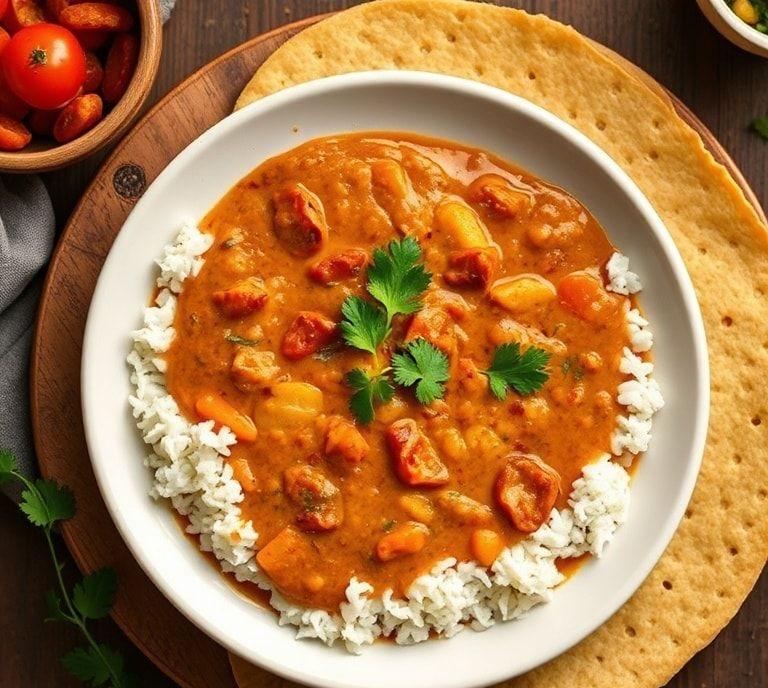
Let’s dive into this vegetarian twist on Dal Makhani. The beauty of this recipe is that you get the richness of the original, but with plant-based swaps that don’t compromise on flavor. It’s not just about the taste-it’s about creating a dish that feels like a warm hug in a bowl, no matter your dietary preferences.
Ingredients Needed
- 1 cup whole black lentils (sabut urad dal): This is the base of Dal Makhani. It gives the dish its signature earthy, hearty texture.
- 1/4 cup kidney beans (rajma): These beans add a creaminess and are often included in the traditional recipe for added richness.
- 1 tablespoon olive oil or ghee: While ghee is traditional, olive oil works wonders here to keep things plant-based while still giving a luxurious mouthfeel.
- 1 large onion, finely chopped: Onions bring sweetness and depth when they’re sautéed to a golden brown.
- 2 tomatoes, pureed: This gives the dal its vibrant red color and a tangy base.
- 1 tablespoon ginger-garlic paste: Essential for a deep, savory foundation.
- 1 teaspoon ground cumin: Adds a nutty warmth.
- 1 teaspoon ground coriander: Balances the flavors with a citrusy note.
- 1 teaspoon garam masala: A warming spice blend that makes everything smell divine.
- 1/2 teaspoon turmeric powder: For color and a mild earthy flavor.
- 1/2 teaspoon red chili powder: Adds a bit of heat, but feel free to adjust depending on your spice tolerance.
- Salt to taste
- 1/2 cup coconut milk or cashew cream: This keeps it rich and creamy without dairy, and the coconut milk adds a subtle sweetness.
- Fresh cilantro (coriander) leaves for garnish
Cooking Instructions
- Soak the Lentils and Beans: Start by soaking the black lentils and kidney beans in water for at least 6-8 hours (or overnight if possible). This helps soften them, reducing the cooking time and making them more digestible.
- Cook the Lentils and Beans: In a large pot, bring the soaked lentils and beans to a boil with fresh water. Reduce the heat and simmer them on low for 30-40 minutes, or until they’re soft and tender. If you have a pressure cooker, this step becomes even easier and faster-just cook under pressure for about 15-20 minutes.
- Prepare the Base: While the lentils and beans are cooking, heat olive oil (or ghee) in a pan over medium heat. Add the chopped onions and sauté them until they turn golden brown. This step might take 10 minutes, but don’t rush it-caramelizing the onions will give your dish a rich base.
- Add the Ginger-Garlic Paste and Spices: Once the onions are done, add the ginger-garlic paste and sauté for another minute. Follow it with the cumin, coriander, garam masala, turmeric, and chili powder. Stir everything well to let the spices bloom in the oil, releasing their fragrant aromas.
- Add Tomatoes and Simmer: Add the pureed tomatoes to the pan and let everything cook together for about 5 minutes, or until the oil begins to separate from the tomato paste. This creates a beautiful, aromatic sauce.
- Combine the Lentils with the Sauce: Once your lentils and beans are tender, add them into the spice-tomato mixture. Stir everything well, then pour in enough water to achieve your desired consistency. Simmer the mixture on low heat for 20-30 minutes, allowing all the flavors to meld together.
- Finish with Coconut Milk or Cashew Cream: Once the dal has thickened, stir in the coconut milk (or cashew cream). This step is crucial-it’s what adds that signature creaminess that makes Dal Makhani so irresistible. Allow it to simmer for another 10-15 minutes.
- Garnish and Serve: Taste for seasoning and adjust salt or spice if needed. Garnish with fresh cilantro before serving. Serve your vegetarian Dal Makhani with steamed basmati rice, naan, or roti.
Ingredient Science Spotlight
Lentils, beans, and spices-each ingredient in this dish serves a distinct purpose, not just in flavor, but in nutrition too. The black lentils (urad dal) are packed with protein and fiber, making them a hearty, sustaining base for this dish. They’re also rich in iron and magnesium, vital for energy production and muscle function.
The kidney beans are an excellent source of plant-based protein and contain a variety of antioxidants that support heart health. Adding beans to the lentils creates a more balanced dish, with both texture and nutrition.
The spices-especially cumin, coriander, and turmeric-don’t just contribute flavor; they also have powerful anti-inflammatory and digestive benefits. Cumin aids in digestion, coriander is a natural detoxifier, and turmeric is a known anti-inflammatory, packed with curcumin that’s been linked to numerous health benefits, from reduced inflammation to improved brain function.
Coconut milk or cashew cream provides a creamy texture without dairy, and it adds a touch of natural sweetness that balances out the earthy lentils and beans. Coconut milk is also rich in medium-chain triglycerides (MCTs), which are easily metabolized by the body for energy.
Expert Tips
- Soak Well: Don’t skip soaking your lentils and beans. Not only does it make them cook faster, but it also helps reduce the compounds that can cause digestive discomfort.
- Slow and Low: The key to a deeply flavorful Dal Makhani is slow cooking. Let it simmer for as long as you can to allow the spices to infuse the dish.
- Use Whole Spices: If you can, use whole spices like cumin seeds or coriander seeds and toast them briefly before grinding. It gives the dish a more robust, aromatic flavor.
- Adjust Consistency: If your dal gets too thick, add water or vegetable broth to loosen it. It should have a creamy, stew-like consistency, not too runny.
- Let It Rest: Dal Makhani is one of those dishes that gets better the next day. If you have the time, make it ahead and let it rest so the flavors can continue to develop.
Recipe Variations
- Smoky Flavor: For a smoky twist, try smoking the dal by adding a piece of charcoal to the pot. Heat the charcoal until it’s red-hot, place it on a small piece of foil in the pot, pour a teaspoon of oil over it, and cover the pot immediately. This infuses a smoky aroma that takes the dish to the next level.
- Vegan Version: To make the dish fully vegan, simply replace the coconut milk with a cashew cream. You can also use a dairy-free yogurt for a tangy finish.
- Spicier Kick: If you like more heat, add chopped green chilies or a pinch of Kashmiri red chili powder, which has a fruity, milder spice.
Final Words
Vegetarian Dal Makhani is one of those dishes that can be customized endlessly while still staying true to its roots. Whether you’re cutting down on dairy, experimenting with spices, or just looking for something hearty and comforting, this dish has you covered. It’s the kind of meal that fills the kitchen with warmth, both from the stovetop and from the love you’ve put into it.
FAQs
What Are The Main Ingredients Needed For A Vegetarian Dal Makhani Recipe?
The main ingredients for a vegetarian dal makhani include black lentils (urad dal), kidney beans (rajma), tomatoes, onions, garlic, ginger, cream, butter, and various spices such as cumin, garam masala, turmeric, and coriander. Additionally, you will need cilantro for garnishing and a bit of salt and chili for flavor.
Can I Make Dal Makhani Without Using Cream And Butter For A Healthier Version?
Yes, you can make a healthier version of dal makhani by reducing or eliminating the use of cream and butter. Instead, you can use olive oil or vegetable oil for cooking, and replace cream with coconut milk or cashew cream to retain the richness. While it may slightly alter the texture and flavor, it will still be flavorful and nutritious.
How Long Should I Cook The Dal Makhani To Get The Best Consistency And Flavor?
To get the best consistency and flavor, dal makhani should be cooked slowly and simmered for a long period, usually 45 minutes to 1 hour, after pressure cooking the lentils and beans. The slow cooking allows the spices to meld together, and the dals absorb all the flavors. For a creamy texture, cook it on low heat, stirring occasionally to prevent burning.