When it comes to comfort food, there’s something uniquely satisfying about South Indian cuisine. The flavors, the textures, the way everything blends together-it feels like a warm hug for your soul. I grew up in a household where dinner time was sacred, and even more so when the dishes came from the South. The aromatic spices, the tanginess of tamarind, the comforting taste of rice, and the gentle heat of mustard seeds dancing in ghee-there’s simply nothing like it.
Today, I want to share with you a delightful vegetarian South Indian recipe that has a special place in my heart. It’s simple, wholesome, and deeply flavorful-perfect for a cozy weeknight dinner. Whether you’re familiar with South Indian flavors or just dipping your toes into this rich culinary world, this recipe is an excellent introduction to the magic of Indian vegetarian cooking.
Vegetarian Dinner South Indian Recipe
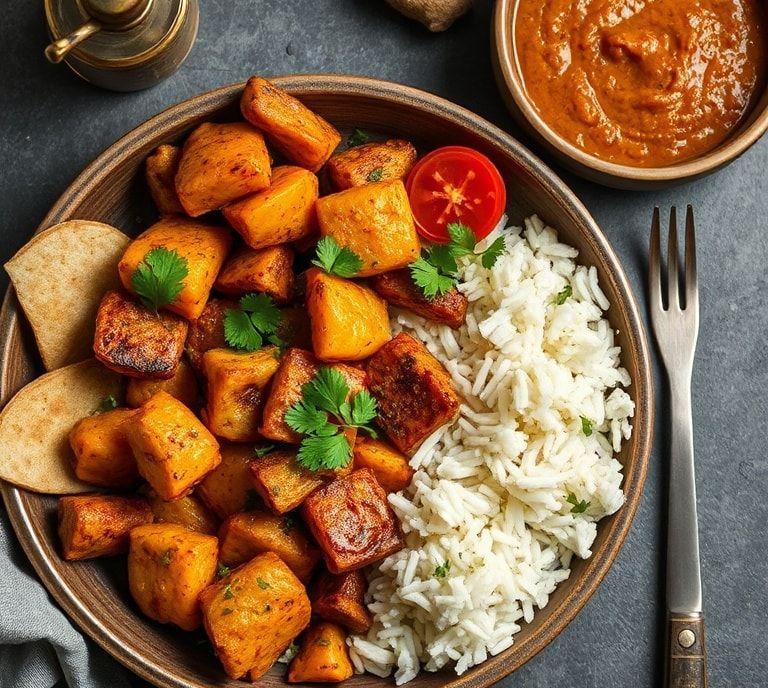
The recipe I’m going to walk you through is a classic: Vegetarian Coconut Rice with Vegetable Kurma. Coconut rice is one of those dishes that you can prepare quickly, but it tastes as if you’ve spent hours perfecting it. It’s fragrant, slightly sweet, and savory, and pairs perfectly with the mildly spiced Vegetable Kurma-a rich, creamy curry made with a mix of vegetables, ground spices, and a delightful coconut-based gravy. Together, they’re a match made in heaven.
Ingredients Needed
Before we dive into cooking, here’s what you’ll need:
For The Coconut Rice
- Basmati rice (1 cup): Basmati’s long, fragrant grains are perfect for this dish. If you can’t find it, any long-grain rice will do.
- Fresh grated coconut (1/2 cup): This is the key ingredient for that signature flavor. If fresh coconut isn’t available, desiccated coconut works as a backup, but try to find fresh if you can.
- Coconut oil (2 tbsp): This adds richness and a subtle coconutty aroma.
- Mustard seeds (1 tsp)
- Cumin seeds (1 tsp)
- Urad dal (split black gram) (1 tsp): This adds a lovely crunch and a mild nutty flavor.
- Chana dal (1 tsp): Another lentil for texture and mild flavor.
- Green chilies (2, slit): For a touch of heat without overpowering the dish.
- Curry leaves (6-7): These give the rice an authentic South Indian touch.
- Turmeric powder (1/2 tsp): Just a pinch for color and flavor.
- Salt (to taste)
- Water (1.5 cups)
For The Vegetable Kurma
- Mixed vegetables (carrot, potato, beans, peas) (2 cups): You can use any veggies you like, but a mix works best for texture and balance.
- Onion (1 large, chopped)
- Tomato (1 medium, chopped)
- Fresh ginger and garlic paste (1 tbsp each)
- Green chilies (2, slit)
- Coconut milk (1/2 cup): For a creamy, smooth texture.
- Grated coconut (1/4 cup): Adds depth and richness to the curry.
- Coriander powder (1 tsp)
- Cumin powder (1 tsp)
- Garam masala (1/2 tsp): This will elevate the flavors and bring that warm, earthy complexity.
- Salt (to taste)
- Curry leaves (6-7)
- Oil (2 tbsp)
Cooking Instructions
Step 1: Prepare The Coconut Rice
- Rinse the rice thoroughly under cold water until the water runs clear. Drain it and set aside.
- Heat coconut oil in a pan. Once hot, add the mustard seeds. When they start to pop, throw in the cumin seeds, urad dal, and chana dal. Sauté for a minute until the dals begin to turn golden.
- Add the slit green chilies and curry leaves, and stir for a few seconds. The aroma of these ingredients is incredible and will transport you straight to the heart of South India.
- Toss in the grated coconut and cook for about 2-3 minutes until it begins to lightly toast. This is where the magic happens-the coconut starts to develop a lovely golden hue and releases its flavor.
- Stir in the turmeric powder and a pinch of salt, then add the rinsed rice. Mix it well to coat the rice evenly with the spices.
- Pour in the water, cover, and cook the rice on low heat until the water is absorbed and the rice is tender (about 12-15 minutes). Fluff with a fork before serving.
Step 2: Make The Vegetable Kurma
- In a large pan, heat some oil and sauté the onions until golden brown. This will take about 5 minutes, and it’s key to bring out their natural sweetness.
- Add the ginger-garlic paste and sauté for a minute. You’ll smell the richness of the garlic-don’t let it burn, though, as it can become bitter.
- Stir in the tomatoes and cook until they soften. Then add the green chilies and cook for another minute.
- Add the mixed vegetables and stir. Cook for 5-7 minutes until the veggies are slightly tender but still hold their shape.
- Toss in the coriander powder, cumin powder, and garam masala. Cook for another minute, letting the spices bloom.
- Pour in the coconut milk and add just enough water to cover the vegetables. Bring it to a gentle simmer and cook for about 10-12 minutes until the veggies are fully cooked and the curry thickens slightly.
- Add salt to taste and a handful of fresh curry leaves right at the end for that final burst of flavor.
Serve the vegetable kurma alongside the coconut rice, and trust me, you’re in for a treat.
Ingredient Science Spotlight
There’s real science behind the combination of spices and ingredients in this recipe. Take, for example, the coconut. Not only does it lend a creamy texture to the rice and curry, but coconut fat is a medium-chain triglyceride, which is easier for the body to metabolize compared to other fats. Coconut is also rich in manganese, copper, and iron, all of which play vital roles in your body’s energy production and immune function.
The curry leaves are another fascinating ingredient. They contain alkaloids that have been shown to have antioxidant properties, which means they could help protect your cells from oxidative stress. Plus, they’re packed with essential vitamins and minerals, like vitamin A, calcium, and folic acid.
The turmeric is the real hero in terms of health benefits. It contains curcumin, a compound known for its anti-inflammatory and antioxidant properties. The fat in the coconut oil and the heat of the spices help your body absorb this powerful compound more effectively.
Expert Tips
- For fluffier rice, make sure to rinse the basmati thoroughly before cooking. This removes the excess starch, ensuring the rice doesn’t turn gummy.
- Don’t skip the mustard seeds-they’re not just a flavor; they add a satisfying crunch and subtle heat.
- If you’re new to South Indian spices, adjust the green chilies to your heat preference. You can remove the seeds to reduce the spice level.
- For a more intense flavor, let the coconut rice sit for a few minutes after cooking to let the spices meld further.
- If you have the time, toast the coconut a bit longer in the pan for extra flavor depth.
Recipe Variations
- Vegan Version: Simply swap out the ghee or coconut milk with plant-based options like olive oil or almond milk.
- Add nuts: Toss in some cashews or peanuts into the rice to give it a delightful crunch.
- Spicy Twist: If you love heat, add a teaspoon of red chili powder or cayenne pepper to the Vegetable Kurma.
- Add protein: You can easily make this dish a one-pot meal by adding tofu or paneer (Indian cottage cheese) to the vegetable kurma.
Final Words
Cooking this dish isn’t just about following a recipe; it’s about the experience. The way the kitchen fills with those fragrant spices, the way the rice and curry come together in a perfect harmony-it’s all part of the joy of cooking. There’s no rush; it’s about taking your time, enjoying each step, and ultimately enjoying the food you’ve created.
FAQs
What Are Some Popular South Indian Vegetarian Dinner Recipes?
Some popular South Indian vegetarian dinner recipes include dosai (savory rice crepes), idli (steamed rice cakes), sambar (lentil stew), vegetable kurma, and pongal (spicy rice dish). These dishes are often served with a variety of chutneys, such as coconut chutney, tomato chutney, or mint chutney.
How Can I Make A Healthy Vegetarian South Indian Dinner?
To create a healthy vegetarian South Indian dinner, focus on using whole grains like brown rice or millet, incorporate a variety of vegetables, and use minimal oil. Dishes like vegetable sambar with brown rice or dosa with a filling of vegetables and lentils can offer a nutritious meal rich in protein and fiber. Avoid deep-frying and opt for steaming or grilling instead.
What Are The Main Spices Used In South Indian Vegetarian Dinner Recipes?
South Indian vegetarian dishes rely on an array of flavorful spices. Common spices include mustard seeds, cumin seeds, turmeric, coriander powder, curry leaves, dried red chilies, and asafoetida (hing). These spices create the distinctive, aromatic flavors of South Indian cuisine and are used in various combinations depending on the dish.