I’ve always thought that the best meals are the ones that feel like they’re wrapped in comfort-where every bite takes you a little further away from the chaos of the day and a little closer to something simpler, more peaceful. That’s exactly what vegetarian dishes do for me. They’re not just about eating plant-based food; they’re a chance to reconnect with something deeper. I think there’s something profound about cooking with fresh vegetables, herbs, and grains-it taps into this primal joy of nourishing your body with food that comes from the earth, unprocessed and full of color. Today, I want to share a vegetarian recipe that I keep going back to because it’s full of flavor, easy to make, and just downright satisfying. Whether you’re a seasoned veggie lover or just looking to incorporate more plant-based meals into your routine, this dish is one that fits into so many different lifestyles.
Vegetarian Dishes Recipe
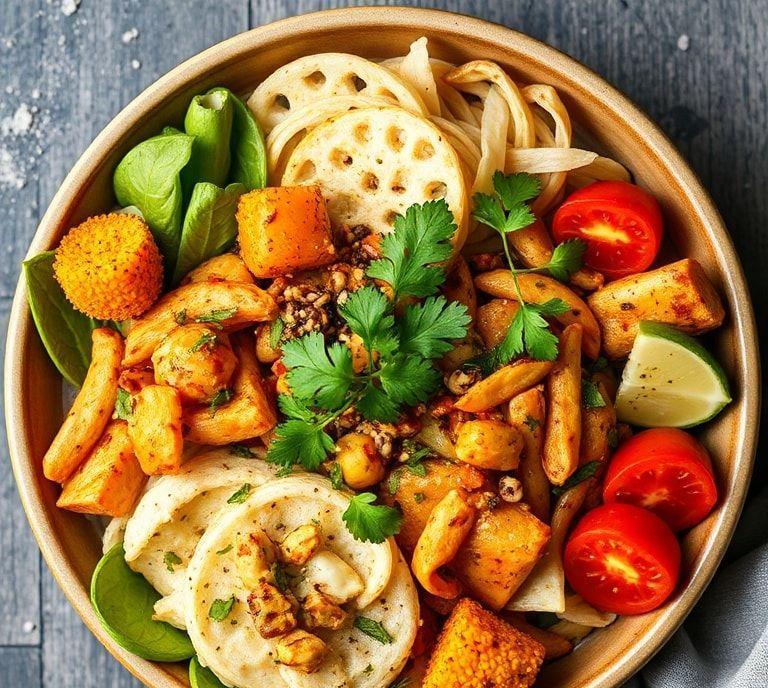
The dish I’m sharing today is a vibrant, hearty vegetable stir-fry with a twist-think roasted chickpeas, tender sautéed vegetables, and a rich peanut sauce that ties it all together. It’s a medley of colors and textures, and every spoonful offers something different. The beauty of this dish is that you can easily switch up the vegetables depending on what’s in season or what you have in your fridge. That’s the magic of vegetarian cooking-it’s not about following rigid rules, but about letting the ingredients shine. You can make this recipe feel like your own, adjusting the flavors and textures as you go.
Ingredients Needed
Here’s the list of what you’ll need to bring this dish to life. Don’t worry-nothing here is too out of the ordinary, and many of these ingredients are probably already in your pantry or fridge:
- Chickpeas – You’ll need one can, drained and rinsed (or 1.5 cups if you cook dried ones yourself). They give the dish a hearty bite.
- Bell peppers – Red, yellow, or orange, sliced thin. They bring both sweetness and crunch.
- Zucchini – One medium, sliced into half-moons. Soft and juicy when cooked but still with some bite.
- Carrots – One or two, julienned or cut into thin strips for that satisfying crisp texture.
- Broccoli florets – About 2 cups, cut into small pieces. Broccoli gives that earthy taste and a bit of crunch.
- Garlic – A couple of cloves, finely minced. Because garlic makes everything better.
- Peanut butter – About 3 tablespoons. This makes the base of the sauce creamy, rich, and just peanutty enough to complement the veggies.
- Soy sauce – 2 tablespoons. This adds that savory depth and balance to the sauce.
- Sesame oil – 1 tablespoon. It has this amazing toasted flavor that really makes the dish shine.
- Rice vinegar – 1 tablespoon. It adds a little tang to balance the richness of the peanut butter.
- Sriracha or chili flakes – Optional, but a little heat can add complexity.
- Olive oil – For sautéing and roasting the veggies.
- Lime juice – Freshly squeezed, for that finishing bright hit.
- Fresh cilantro – A small handful, roughly chopped, for garnish.
Cooking Instructions
Step 1: Preheat and Prep
Start by preheating your oven to 400°F (200°C) if you plan on roasting the chickpeas. Take your chickpeas, toss them in olive oil, salt, and a pinch of paprika or cumin if you like, and spread them out on a baking sheet. Roast them for about 25 minutes, shaking the pan halfway through to get them crisp and golden.
Step 2: Sauté the Veggies
While the chickpeas are roasting, heat a tablespoon of olive oil in a large skillet or wok over medium-high heat. Add the garlic and sauté for about 30 seconds until fragrant. Then, toss in your bell peppers, zucchini, carrots, and broccoli. Stir-fry them for 5-7 minutes, or until they’re tender but still have some crunch. Don’t overcook them-this is where the freshness comes from.
Step 3: Make the Sauce
In a small bowl, whisk together the peanut butter, soy sauce, sesame oil, rice vinegar, and a squeeze of lime juice. If you like a little kick, add in some sriracha or chili flakes. It should be creamy and smooth, but if it’s too thick, thin it out with a splash of water or vegetable broth.
Step 4: Combine
Once the vegetables are done, toss them with the roasted chickpeas in the skillet. Pour over your peanut sauce and give everything a good stir, letting the sauce coat every piece of veggie and chickpea. Heat for another 2-3 minutes to let the flavors meld together.
Step 5: Garnish and Serve
Take your dish off the heat, sprinkle with freshly chopped cilantro, and squeeze a little more lime juice over the top. Serve this stir-fry over rice or quinoa for some extra protein, or enjoy it as is.
Ingredient Science Spotlight
Let’s take a quick dive into some of the science behind the key ingredients here. Chickpeas, for instance, are more than just a good source of plant-based protein-they’re packed with fiber, which helps regulate digestion and makes the dish more filling. Plus, they’re a low glycemic food, which means they won’t cause a sharp rise in blood sugar.
Broccoli, often dubbed a “superfood”, is loaded with vitamin C and vitamin K, which support immune function and bone health. It also contains compounds like sulforaphane, which have been studied for their cancer-fighting properties. Pretty impressive, right?
The peanut butter, while rich and creamy, also offers some health benefits-unsweetened peanut butter is a good source of healthy fats, especially monounsaturated fats, which support heart health.
Expert Tips
- Roast Your Veggies: If you have the time, roast the veggies instead of stir-frying them. Roasting brings out their natural sweetness and gives the dish a deeper flavor.
- Make It Crunchy: Add some chopped peanuts or toasted sesame seeds on top before serving for an extra crunch.
- Balancing the Sauce: Peanut butter can be tricky to balance-it’s rich, so you’ll want to balance it with something tangy like the rice vinegar or lime juice. Taste as you go and adjust until it’s just right!
- Meal Prep: This dish stores well. Make a large batch and pack it into containers for easy lunches throughout the week.
Recipe Variations
- Grilled Tofu: If you want to add a little more protein, toss in some grilled or pan-fried tofu. It soaks up the flavors of the sauce beautifully.
- Sweet Potato: Add some roasted sweet potato cubes to the mix for a bit of sweetness and extra texture.
- Spicy Peanut Sauce: If you’re really into heat, you can add a bit of fresh ginger to the peanut sauce, or even a tablespoon of miso for an umami punch.
- Noodles: Instead of rice or quinoa, serve the stir-fry over noodles-udon or soba work really well.
Final Words
What I love about this dish is that it’s so forgiving. If you don’t have a certain veggie, you can sub it out for another one you prefer. If you’re in the mood for something spicier, add more chili. It’s a dish that can adapt to whatever you’re feeling on any given day, and you’ll always end up with something delicious.
FAQs
What Are Some Easy Vegetarian Dishes For Beginners?
For beginners, easy vegetarian dishes include simple salads like quinoa salad, vegetable stir-fry with tofu, or pasta with marinara sauce and roasted vegetables. These dishes require minimal cooking skills and offer a balance of flavor and nutrition. For added protein, you can incorporate legumes such as chickpeas, lentils, or black beans.
How Can I Make A Vegetarian Dish More Filling Without Using Meat?
To make vegetarian dishes more filling, focus on adding plant-based proteins and hearty ingredients. Some options include legumes (beans, lentils, chickpeas), whole grains (quinoa, farro, brown rice), and high-protein vegetables like edamame or tofu. Additionally, incorporating nuts, seeds, and avocados can add both texture and healthy fats, helping to increase satiety.
Are Vegetarian Dishes Typically Nutritious?
Yes, vegetarian dishes can be very nutritious when they are balanced with a variety of fruits, vegetables, whole grains, and plant-based proteins. A well-planned vegetarian meal ensures an adequate intake of fiber, vitamins, and minerals, such as iron, calcium, and vitamin B12, which may require attention in a plant-based diet. Including a wide range of colorful vegetables and legumes ensures a diverse array of nutrients.