In our home, the days leading up to a big dinner often include one of my favorite rituals: assembling a salad. It’s a comforting task-choosing fresh veggies, slicing them just so, adding a handful of vibrant herbs. But no salad feels complete without the perfect dressing to tie everything together. For years, I was stuck in a routine of store-bought dressings. They were convenient, sure, but they never quite gave me the satisfaction I craved. Then, one day, I decided to step away from the bottled options and whip up a homemade vegetarian dressing. Little did I know, that simple decision would change the way I approached salad for good.
What followed was a journey into the world of flavors, experimenting with different oils, vinegars, and spices until I finally landed on a recipe I now swear by. This dressing is light, vibrant, and incredibly versatile. It complements everything from leafy greens to roasted vegetables and even works as a dip for crispy roasted potatoes. So, let’s dive in, shall we? I’ll take you step by step through this recipe, share a few ingredient science tidbits, and offer tips to customize it to suit your preferences.
Vegetarian Dressing Recipe
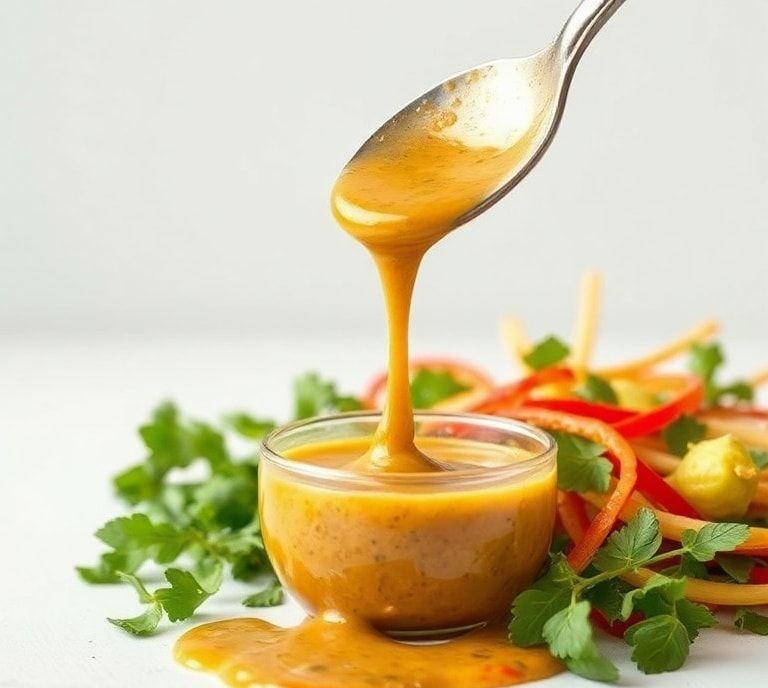
I always think of this dressing as a gateway to more exciting salads. It’s the kind of recipe that requires minimal effort, but the payoff is huge. The dressing balances acidity, sweetness, and the rich smoothness of olive oil, making it not only a good companion for veggies but also a healthier alternative to the heavily processed versions you often find on supermarket shelves.
Ingredients Needed
Here’s what you’ll need for this dressing (the best part is, most of these ingredients are already hanging around in your pantry):
- Extra Virgin Olive Oil (1/2 cup): The base of your dressing, it provides richness and a smooth texture.
- Apple Cider Vinegar (3 tablespoons): For a bit of tang and brightness. If you want something less sharp, white wine vinegar is a good alternative.
- Dijon Mustard (1 tablespoon): This adds a sharp, slightly spicy kick that rounds out the other flavors.
- Maple Syrup (1 teaspoon): A small touch of sweetness to balance the acidity of the vinegar. You could also use agave or honey, depending on what you prefer.
- Garlic (1 clove, minced): For depth and that unmistakable savory note.
- Salt (1/2 teaspoon): It helps bring everything into harmony, but feel free to adjust depending on your taste.
- Black Pepper (freshly ground, 1/4 teaspoon): Adds a gentle warmth.
- Herbs (optional): A teaspoon of finely chopped fresh basil or thyme can elevate the flavor even more, but the dressing is delicious enough on its own.
Cooking Instructions
I love recipes that let me get my hands dirty in the kitchen, but this one is wonderfully simple-just mix, shake, and pour. Here’s how it goes:
- Prep the Garlic: Mince your garlic as finely as you can, and set it aside. I like to use the flat side of my knife to press down on the clove before mincing. It releases all that aromatic goodness.
- Whisk Together: In a small bowl, combine the apple cider vinegar, Dijon mustard, maple syrup, garlic, salt, and pepper. Use a whisk to mix until the mustard and syrup are fully dissolved. You want to make sure that every little bit is blended together, so the dressing has an even flavor throughout.
- Add the Olive Oil: Slowly drizzle in the olive oil while whisking continuously. This helps to emulsify the dressing, creating a silky texture rather than an oily layer sitting on top.
- Taste & Adjust: Give the dressing a taste. Sometimes, I like to add a bit more maple syrup if I’m in the mood for something sweeter, or an extra pinch of salt if it needs a little more bite. If the flavor feels too sharp, a touch more olive oil can smooth it out.
- Serve: Pour over your salad or roasted vegetables just before serving. You can store this dressing in an airtight container in the fridge for up to a week. It even tastes better the next day as the flavors meld.
Ingredient Science Spotlight
It’s easy to overlook the science behind the ingredients in a salad dressing, but there’s some fascinating chemistry at play. Let’s take a closer look at a few of the key players:
- Olive Oil: Olive oil is high in healthy monounsaturated fats, which help your body absorb fat-soluble vitamins like A, D, E, and K. It also contains antioxidants that can reduce inflammation in the body. The smooth texture of olive oil provides the “mouthfeel” that makes the dressing feel rich and satisfying without being heavy.
- Vinegar: Vinegar, especially apple cider vinegar, brings the acidity that’s necessary to balance the richness of the oil. It helps to “wake up” your taste buds and cut through the fatty texture, making every bite more dynamic.
- Dijon Mustard: Mustard seeds contain compounds called glucosinolates, which have been shown to have antioxidant properties. On top of that, mustard’s natural emulsifying properties help bind the oil and vinegar together, creating a stable dressing that doesn’t separate.
- Maple Syrup: While it’s often used in sweet applications, maple syrup in savory dressings adds a subtle, earthy sweetness that balances the tart vinegar. Maple syrup also contains antioxidants, which add a little extra nutritional value.
Expert Tips
- Emulsification: To get that perfect creamy consistency, you really want to emulsify your dressing. Whisking it while you add the oil is key. If you’re feeling fancy, you can even blend it with an immersion blender to get it super smooth and well-incorporated.
- Play with Flavors: Don’t be afraid to experiment. For example, swap out the Dijon mustard for honey mustard or add a teaspoon of balsamic vinegar for a deeper flavor. A pinch of smoked paprika or a dash of soy sauce can introduce complexity that turns the dressing into something unexpected.
- Chill Before Using: If you have time, let your dressing sit in the fridge for 30 minutes or so before using. The flavors meld together beautifully, and the garlic has more time to infuse the oil.
- Use Fresh Herbs: Fresh herbs will give the dressing a burst of brightness. If you’re growing herbs in your garden, this is the perfect way to use them. Basil, rosemary, or parsley are all fantastic options.
Recipe Variations
This basic vegetarian dressing is highly adaptable. Depending on what you’re in the mood for, you can tweak it in several ways:
- Citrus Twist: Add a tablespoon of freshly squeezed lemon juice or orange juice for a fruity brightness.
- Creamy Version: To make it creamier, blend in a tablespoon of tahini or Greek yogurt. This adds texture and a slightly nutty flavor.
- Vegan: Replace the honey with maple syrup or agave to make this dressing fully plant-based.
- Spicy Kick: If you love a bit of heat, stir in a pinch of cayenne pepper or even a tablespoon of sriracha.
Final Words
Homemade dressings are a simple, yet transformative addition to your cooking repertoire. What I love most about this vegetarian dressing is how versatile it is-you can change it up depending on your mood, and it always works. Whether you’re drizzling it over crisp greens, roasted vegetables, or grains, it brings that extra "something" to any dish.
FAQs
What Are Some Common Ingredients Used In A Vegetarian Dressing Recipe?
A vegetarian dressing recipe typically includes ingredients such as olive oil, vinegar (balsamic, apple cider, or red wine), lemon juice, mustard, maple syrup, garlic, fresh herbs (like parsley, basil, or thyme), and seasonings such as salt, pepper, and nutritional yeast. These ingredients combine to create a flavorful and plant-based dressing suitable for various salads or roasted vegetables.
Can I Make A Creamy Vegetarian Dressing Without Dairy?
Yes, you can make a creamy vegetarian dressing without dairy by using alternatives like tahini, cashew cream, or silken tofu. These plant-based ingredients offer a smooth and creamy texture, providing the richness typically found in dairy-based dressings. For added flavor, you can also incorporate lemon juice, nutritional yeast, or a splash of plant-based milk.
How Can I Adjust The Flavor Of My Vegetarian Dressing Recipe?
To adjust the flavor of your vegetarian dressing, consider modifying the balance of acidic ingredients (such as vinegar or lemon juice) and sweeteners (like maple syrup or agave). If you prefer a spicier kick, add a pinch of cayenne pepper, Dijon mustard, or red pepper flakes. For additional umami, try incorporating ingredients like soy sauce, miso paste, or nutritional yeast. You can also experiment with fresh or dried herbs, garlic, and onions to personalize the taste.