Lasagna has long been one of those classic dishes that you could always rely on to feed a crowd and warm up even the coldest of evenings. But if you’re looking for a version that’s a little lighter yet just as comforting, this vegetarian eggplant lasagna will hit the spot. I remember the first time I swapped out the traditional pasta for eggplant-honestly, I was a bit skeptical. Eggplant, after all, is a funny vegetable. Sometimes it can be bitter, sometimes it can be mushy. But once I tried it, the layers of tender eggplant soaked in rich tomato sauce, creamy ricotta, and gooey mozzarella made me a convert. This dish is everything you want in a lasagna, without the heaviness of noodles.
Over the years, I’ve perfected this recipe to where every bite feels like a little bit of comfort and a touch of indulgence. Plus, it’s a great way to sneak in some vegetables without sacrificing that classic, savory lasagna taste. Whether you’re a lifelong vegetarian or just looking to try something new, this recipe is guaranteed to impress.
Vegetarian Eggplant Lasagna Recipe
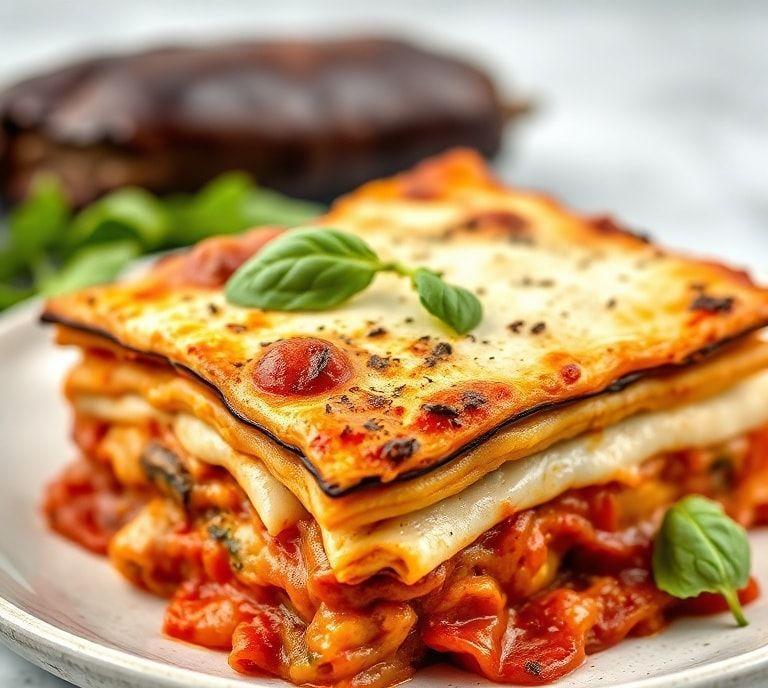
What I love most about this recipe is how satisfying it is. The layers of roasted eggplant add such a beautiful texture and earthy flavor that blends perfectly with the other components. The tomato sauce is rich and well-seasoned, while the ricotta and mozzarella create that signature creamy, cheesy pull we all know and love.
I’ve experimented a lot with different ways of preparing eggplant for lasagna, and here’s what I’ve found works best: roast the slices instead of frying them. It keeps the eggplant from becoming too greasy, and the roasting enhances its natural sweetness.
Ingredients Needed
- 2 large eggplants, sliced into 1/4-inch thick rounds (you can also use long, thin slices)
- Olive oil, for roasting the eggplant
- Salt, for drawing out moisture from the eggplant
- 2 cups ricotta cheese
- 2 cups shredded mozzarella cheese
- 1/2 cup grated Parmesan cheese
- 1 jar (24 oz) marinara sauce, or homemade if you prefer
- 1 tablespoon fresh basil, chopped (optional, but fresh herbs add a lovely brightness)
- 1 tablespoon dried oregano
- 1/4 cup fresh parsley, chopped (optional, for garnish)
- 1 egg, beaten (to bind the ricotta)
- 2 cloves garlic, minced
- Black pepper, to taste
Pro tip: If you’re feeling adventurous, a little bit of crumbled feta mixed into the ricotta adds an unexpected tangy depth.
Cooking Instructions
-
Prepare The Eggplant
First, preheat your oven to 400°F (200°C). Slice the eggplant into 1/4-inch rounds. Lay them out on paper towels or a clean kitchen cloth, sprinkling them with salt. Let them sit for about 20 minutes to release some of their moisture. This step helps reduce bitterness and prevents them from soaking up too much oil when roasting. After the wait, give the eggplant slices a gentle pat with a towel to remove the moisture.
-
Roast The Eggplant
Lightly brush both sides of each eggplant slice with olive oil and arrange them on a baking sheet. Roast them in the oven for about 25 minutes, flipping halfway through. The goal here is to get them soft and golden brown without them becoming too mushy. You want each slice to maintain its structure for the layering.
-
Prepare The Ricotta Mixture
While the eggplant is roasting, combine ricotta, half of the mozzarella, Parmesan, beaten egg, garlic, oregano, and a pinch of salt and pepper in a bowl. Stir until everything is well combined. The egg helps to bind the mixture, so it doesn’t get too runny.
-
Assemble The Lasagna
In a baking dish (I prefer a 9×13-inch dish), spread a thin layer of marinara sauce on the bottom. Then, layer roasted eggplant slices over the sauce, followed by a generous spoonful of the ricotta mixture. Spread it evenly across the eggplant. Repeat the layers: sauce, eggplant, ricotta, until you’re out of ingredients. End with a final layer of marinara sauce and the remaining mozzarella cheese on top.
-
Bake
Cover the lasagna with aluminum foil and bake for 25 minutes. After that, remove the foil and bake for an additional 10 minutes until the cheese is bubbly and golden. Let the lasagna rest for about 10 minutes before serving, allowing the layers to set.
-
Garnish And Serve
Before serving, sprinkle fresh basil or parsley on top for an added burst of color and flavor. Serve hot and enjoy!
Ingredient Science Spotlight
Eggplant – At first glance, eggplant may not seem like it belongs in a dish like lasagna, but it actually plays a key role. Eggplant is a natural sponge, meaning it soaks up flavors from the sauce and spices surrounding it. Roasting the eggplant instead of frying it prevents it from becoming greasy, while still allowing it to achieve a soft, velvety texture.
Ricotta – Creamy ricotta has a delicate flavor that complements the more savory elements of the dish. What’s fascinating about ricotta is its ability to hold moisture without becoming too runny, making it perfect for layering. It’s also packed with protein, so it adds richness without being overly heavy.
Mozzarella – Mozzarella’s ability to melt and stretch makes it a classic in lasagna recipes. It creates those iconic, gooey cheese pulls, adding both texture and a mild flavor that balances the more robust tomato sauce.
Expert Tips
- Pre-salting the Eggplant – Don’t skip this step. Salting the eggplant before roasting helps remove bitterness and ensures the eggplant doesn’t become soggy during the baking process.
- Make Your Own Marinara – While store-bought marinara is convenient, making your own can elevate the dish. A simple tomato sauce with garlic, onions, olive oil, and fresh basil can take this lasagna to the next level.
- Layering Tips – For an even more decadent experience, you can add a thin layer of spinach or mushrooms between the eggplant layers. This will add extra nutrients and flavor without overwhelming the dish.
- Rest Before Serving – Like any lasagna, this one benefits from a few minutes of resting time after baking. It allows the layers to firm up and makes serving much easier.
Recipe Variations
- Vegan Version: Swap out the ricotta for a vegan alternative (there are great cashew-based ricottas out there) and use dairy-free mozzarella. You can also use a plant-based egg substitute to bind the ricotta mixture.
- Add Meat: If you’re a meat lover, you can layer in some cooked ground turkey or beef in between the eggplant layers. It’ll add that hearty touch without taking away from the vegetarian nature of the dish.
- Extra Veggies: Add a layer of sautéed spinach, mushrooms, or zucchini for even more flavor and nutrition. These veggies blend seamlessly into the dish and won’t overpower the eggplant.
Final Words
This vegetarian eggplant lasagna is a dish that checks all the boxes-comforting, hearty, flavorful, and light enough to enjoy as a weeknight meal. The layers of roasted eggplant give it a unique twist that will make you forget all about traditional pasta. Plus, it’s a great way to get more vegetables into your diet without feeling like you’re compromising on taste or texture. Whether you’re cooking for a crowd or simply looking for something nourishing for dinner, this lasagna always delivers.
FAQs
Can I Substitute Eggplant With Other Vegetables In A Vegetarian Lasagna?
Yes, you can substitute eggplant with other vegetables such as zucchini, mushrooms, or sweet potatoes. However, keep in mind that eggplant has a unique texture and flavor, so the substitution may alter the overall taste and texture of the dish. It’s important to slice the vegetables thinly and cook them beforehand to avoid excess moisture in the lasagna.
Do I Need To Peel The Eggplant Before Using It In A Lasagna?
Peeling the eggplant is optional, but many people choose to leave the skin on for added texture and nutritional value. The skin contains fiber and antioxidants. If you prefer a softer texture, you can peel the eggplant before slicing it. If the skin is tough or bitter, peeling may help improve the dish’s overall flavor.
Can I Make Vegetarian Eggplant Lasagna Ahead Of Time And Freeze It?
Yes, you can make vegetarian eggplant lasagna ahead of time and freeze it. To do so, assemble the lasagna, but don’t bake it. Instead, wrap it tightly in plastic wrap or aluminum foil and store it in the freezer for up to 3 months. When you’re ready to serve, bake it from frozen or allow it to thaw in the refrigerator overnight before baking. The lasagna may take a bit longer to cook if it’s frozen.