Fish cakes have always held a special place in my heart-ever since I was a kid, sitting at my grandmother’s kitchen table, with the warm smell of fish cakes filling the air. But not the kind you’d typically think of-my grandmother’s recipe was a bit of a twist on the traditional. Instead of the standard fish, she’d make her fish cakes with vegetarian ingredients. As a result, I’ve grown to love the idea of recreating that classic comfort food, but with a lighter, more plant-based approach.
This recipe is perfect if you’re craving something crispy on the outside and tender on the inside, but you want to avoid fish altogether. You can enjoy the flavors of the sea without the fish, and honestly, these vegetarian fish cakes might just win you over completely. Whether you’re a lifelong vegetarian or just someone looking to try something new, this dish offers all the savory satisfaction of traditional fish cakes with none of the guilt.
Let me walk you through it. From the simple ingredients you need, to a few cooking tips and fun variations-you’ll find it all here.
Vegetarian Fish Cakes Recipe
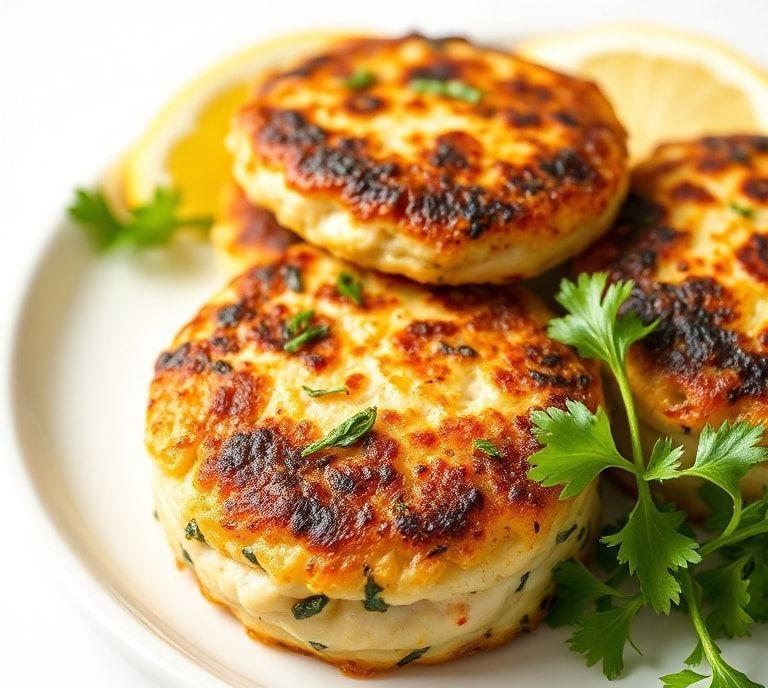
Now, let’s get into the heart of the matter-making the fish cakes. This vegetarian version is surprisingly satisfying, thanks to a mix of hearty ingredients that give it that familiar texture and flavor. Plus, they’re a breeze to whip up. The best part? These cakes hold together perfectly without the need for any complicated binding ingredients like egg or breadcrumbs.
The idea is to get a good balance of flavors: a little saltiness, a touch of sweetness, and a savory umami that hits just right. You’ll see that with a few simple ingredients, you can bring this dish to life in no time.
Ingredients Needed
The key to a successful vegetarian fish cake lies in a few staple ingredients. Here’s everything you’ll need:
- 1 can of chickpeas (or 1 ½ cups cooked chickpeas): These serve as the base. When mashed, they provide a texture that mimics the flakiness of fish.
- 1 small potato (boiled and mashed): Potatoes are great for binding and adding creaminess. They help to make the cakes more tender.
- Nori sheets (or seaweed flakes): This is your ’sea flavor’. It’s packed with umami and gives that slightly oceanic vibe to the cakes.
- 2 tbsp nutritional yeast: For a cheesy, nutty flavor that’s completely vegan, nutritional yeast is perfect.
- 1 small onion (finely chopped): Adds a bit of sweetness and crunch to balance the savory flavors.
- 1-2 cloves garlic (minced): Garlic brings warmth and depth.
- Fresh dill or parsley (chopped): Fresh herbs brighten the cakes and give them a refreshing edge.
- 1 tsp lemon zest: A pop of citrusy brightness that lifts the whole dish.
- Salt and pepper to taste
- Olive oil or coconut oil for frying
Cooking Instructions
- Prepare the base: Start by boiling your potato until soft, then mash it until smooth. While that’s cooking, drain and rinse the chickpeas, and then mash them in a large bowl with a fork or potato masher. You want a slightly chunky consistency-think of it like flaking fish with a fork.
- Combine the ingredients: Add the mashed potato to the chickpeas. Stir in the finely chopped onion, garlic, nori flakes, nutritional yeast, herbs, and lemon zest. Season generously with salt and pepper.
- Form the cakes: Once everything is well mixed, use your hands to form the mixture into small patties-roughly the size of a golf ball, then gently flatten them into discs.
- Fry the cakes: Heat a skillet over medium heat and add a tablespoon of olive oil. Once the oil is hot, gently place your patties in the pan. Cook each side for about 3-4 minutes, until golden brown and crispy.
- Serve and enjoy: Once done, transfer the cakes to a paper towel to drain any excess oil. Serve them with a tangy dipping sauce like tahini or a fresh herb sauce for an extra punch of flavor.
Ingredient Science Spotlight
Let’s break down some of the science behind these ingredients, shall we? It’s pretty fascinating how these humble components work together to create a dish that mimics the texture and flavor of fish cakes without any seafood involved.
- Chickpeas: Chickpeas have a wonderful, nutty flavor that deepens when mashed. They are naturally high in protein and fiber, making them a great substitute for the flakiness of fish. The texture also resembles the gentle crumbling of fish when cooked, which is why they make the perfect base for these cakes.
- Nori (Seaweed): Nori sheets, which are dried and sometimes toasted, are packed with umami, the savory, mouth-watering flavor found in foods like fish and soy. When shredded or crumbled into the mix, it imparts that distinct ’sea-like’ essence to the cakes.
- Potatoes: Besides being the ultimate comfort food, potatoes are known for their ability to create smooth, creamy textures. In this recipe, they act as a binder, holding the chickpeas together and giving the cakes a satisfying bite.
- Nutritional Yeast: Often called “nooch” in vegan circles, nutritional yeast has a slightly cheesy flavor, but without any dairy. It’s rich in B-vitamins and has a slightly nutty profile that adds depth to the cakes.
Expert Tips
- Don’t over-mash: While it’s tempting to turn the chickpeas and potatoes into a smooth paste, leave some chunkiness for texture. This helps the cakes hold together and gives them a more authentic, hearty bite.
- Let them rest: After forming the patties, let them sit for about 10 minutes before frying. This allows the flavors to meld together and the cakes to firm up, which makes them easier to fry without falling apart.
- Adjust the seasonings: If you’re unsure about the flavor balance, taste the mixture before frying. Adjust the salt, pepper, lemon zest, or herbs to your liking. You want to make sure that savory, fresh, and sea-like flavors are balanced perfectly.
- Use a non-stick pan: If you want those crispy edges without the cakes sticking, a non-stick pan is your best friend. Or, use a well-seasoned cast-iron skillet.
Recipe Variations
If you’re feeling adventurous and want to add your own twist to this vegetarian fish cake recipe, there are plenty of ways to make it unique:
- Sweet Potato Version: Swap out the regular potato for a sweet potato for a more vibrant, slightly sweet flavor. This works especially well if you want to balance the saltiness of the nori with a natural sweetness.
- Spicy Kick: Add some chopped chili peppers or a sprinkle of chili flakes to bring a little heat to the cakes. A spicy mayo or sriracha dipping sauce can also enhance the experience.
- Vegan Tartar Sauce: Whip up a simple vegan tartar sauce to go with these cakes. Mix vegan mayo with chopped pickles, capers, a dash of lemon juice, and a pinch of dill.
- Add Veggies: For a more substantial meal, throw in some finely chopped spinach, grated zucchini, or even carrots into the mix. They add extra flavor, moisture, and a boost of vitamins.
Final Words
Making these vegetarian fish cakes has become a bit of a tradition in my home, and they never disappoint. They’re perfect for a casual weeknight dinner or a more special gathering when you want to impress guests with something unexpectedly delicious. The texture, the flavors, the crispy exterior-everything comes together in such a satisfying way.
Plus, they’re super versatile. You can have them on their own, served with a fresh salad, or paired with a tangy dipping sauce for that extra pop of flavor. They’re also a fantastic dish to prep ahead of time, which means they’re just as good for meal prepping as they are for special occasions.
FAQs
What Are The Best Ingredients To Use For A Vegetarian Fish Cakes Recipe?
To make vegetarian fish cakes, you’ll typically use ingredients that mimic the texture and flavor of fish. Common ingredients include mashed potatoes or chickpeas as a base, combined with seaweed (such as nori or dulse) for a fishy taste, and vegetables like carrots, peas, or onions. Additionally, using plant-based ingredients like tofu, tempeh, or soy protein can help with texture, while seasonings such as lemon juice, dill, and vegan mayonnaise enhance the flavor.
How Can I Make Vegetarian Fish Cakes Crispy On The Outside?
To achieve a crispy exterior for vegetarian fish cakes, ensure the patties are coated in breadcrumbs or panko before frying. For the best texture, refrigerate the patties for at least 30 minutes before cooking to help them firm up. When frying, use a moderate amount of oil and cook them in batches to avoid overcrowding, allowing the cakes to crisp evenly. You can also bake them at a high temperature (around 400°F or 200°C) for a healthier option with a crispy finish.
Can I Freeze Vegetarian Fish Cakes?
Yes, you can freeze vegetarian fish cakes. To freeze, shape the cakes and place them on a baking sheet in a single layer. Once frozen solid, transfer them to an airtight container or freezer bag for long-term storage. They can be stored in the freezer for up to 3 months. When ready to cook, you can either fry them directly from frozen or bake them in the oven at 375°F (190°C) for 20-25 minutes, flipping halfway through for even crisping.