You know that magical moment when you’re at a celebration, and a beautiful cake catches your eye? Not just any cake, but one where the fondant is so smooth, so flawless, that it’s almost a work of art. You can almost hear people gasp as the cake is revealed. Now, imagine creating that show-stopping cake yourself, without the usual fondant that’s made from gelatin or animal-derived products. That’s what we’re diving into today – making a vegetarian-friendly fondant that’s just as smooth, pliable, and delicious as the traditional kind.
I remember the first time I tried making fondant at home. I had this grand idea of baking an intricate multi-layered cake for a friend’s birthday. I was so determined to nail the fondant that I didn’t even think to ask about any vegetarian alternatives. The result? Well, let’s just say the cake tasted great, but the fondant wasn’t as easy to work with as I’d hoped. It was a tad too stiff and a little too sweet. After some trial and error, I finally landed on this vegetarian version that combines both taste and texture while keeping things simple.
Whether you’re vegan, vegetarian, or simply looking for a healthier alternative, this fondant recipe is the perfect solution. It’s incredibly versatile, easy to make, and won’t break the bank. Let’s dive into the details so you can make your own fondant masterpiece at home!
Vegetarian Fondant Recipe
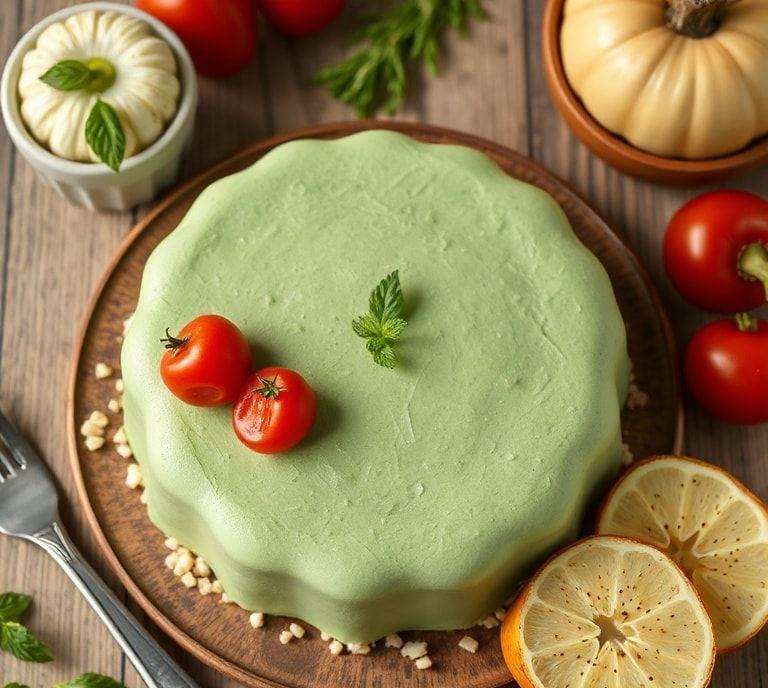
Making fondant at home might sound like something only professional bakers do, but trust me, it’s something anyone can tackle with the right recipe. This vegetarian fondant uses plant-based ingredients and a straightforward process that’ll leave you with a perfect fondant every time. With just a handful of ingredients, you’ll have the tools to create something spectacular.
Ingredients Needed
- 1/4 cup of water – This is the base liquid that’ll help us dissolve the sugar and make the fondant pliable.
- 1 tablespoon of vegetable glycerin – Glycerin is the key ingredient for giving the fondant its soft, flexible texture. It’s completely plant-based and essential for a smooth, non-crackable fondant.
- 1 teaspoon of lemon juice – It helps balance the sweetness and adds a subtle tang. Trust me, it makes all the difference.
- 1/2 cup of powdered sugar – This is your main sweetener, and also contributes to the fondant’s structure.
- 1/2 cup of corn syrup – Corn syrup gives your fondant a smooth consistency. It prevents it from being too dry or crumbly.
- 2 tablespoons of vegetable shortening – This is going to help with the pliability, making it easier to roll out the fondant into sheets.
- 1 teaspoon of vanilla extract – Adds a rich, comforting flavor to balance the sweetness of the sugar.
- Additional powdered sugar (for dusting) – You’ll need some extra sugar to dust your work surface and rolling pin to prevent the fondant from sticking.
Cooking Instructions
-
Prepare The Workspace
Before we get started, dust your countertop and rolling pin with some powdered sugar. This will prevent the fondant from sticking to everything while you work.
-
Dissolve The Sugar
In a small saucepan over low heat, combine the water, vegetable glycerin, lemon juice, and corn syrup. Stir occasionally until the sugar dissolves completely, and the mixture becomes smooth. It should only take about 2-3 minutes.
-
Add Flavor And Texture
Once your sugar has dissolved, add the vanilla extract and vegetable shortening. Stir until the shortening melts into the mixture. This is where your fondant starts to take shape, so give it a little time to melt into the syrup.
-
Cool It Down
Allow the mixture to cool for about 10 minutes before adding in your powdered sugar. This helps prevent the sugar from crystallizing and ensures the fondant will have a silky smooth texture.
-
Add Powdered Sugar
Once the mixture has cooled, gradually sift in the powdered sugar, a little at a time, stirring continuously. This process is crucial to avoid lumps and ensure the fondant is silky and smooth. Once all the sugar is added, it should form a sticky dough.
-
Knead And Rest
Turn the dough onto a surface dusted with powdered sugar. Knead it for about 5-7 minutes until the dough becomes smooth and elastic. If the fondant is too sticky, add more powdered sugar, a tablespoon at a time, until it reaches the right consistency. Once you’ve kneaded it into a smooth ball, wrap it tightly in plastic wrap and let it rest for about 30 minutes before use.
-
Roll Out And Use
After the rest, the fondant is ready to be rolled out! Use it to cover cakes, make decorations, or even create intricate designs.
Ingredient Science Spotlight
It’s fascinating how simple ingredients can come together to create something so magical. Let’s break down the key ingredients and why they work so well in fondant:
- Vegetable Glycerin: It’s a humectant, which means it draws moisture from the air and keeps the fondant soft. This helps it retain flexibility and prevent cracking, which is crucial for working with fondant for decorations.
- Corn Syrup: It helps achieve the smooth texture. Corn syrup is used in fondant to prevent crystallization, which is what would happen if we just used granulated sugar. It makes the fondant pliable and easy to work with.
- Vegetable Shortening: It contributes to a silky, non-greasy texture that gives fondant its perfect elasticity. It also helps keep the fondant from drying out, so it stays workable for longer.
- Lemon Juice: Although it seems like a small amount, the acidity from the lemon juice helps balance out the sweetness, preventing the fondant from being overwhelmingly sugary.
Expert Tips
- Don’t Skip the Resting Time: As tempting as it is to dive straight into using the fondant, resting the dough is crucial. It gives the sugars time to settle and helps the fondant firm up to the right consistency.
- Use the Right Tools: When rolling out fondant, using a rolling pin with a guide ring ensures an even thickness, which is key when covering cakes smoothly.
- Keep it Moist: If your fondant is feeling a little dry or too firm, add a tiny bit more glycerin or corn syrup. Be careful not to overdo it, though-a little goes a long way!
- Flavor it: While vanilla extract is a classic, you can experiment with other extracts like almond or lemon for a unique twist.
Recipe Variations
- Coloring the Fondant: You can easily color your vegetarian fondant using gel food coloring. Just add a few drops during the kneading process, and you’ll have vibrant, custom colors for your cake decorations.
- Chocolate Fondant: Want a chocolate twist? Add 2-3 tablespoons of cocoa powder to the powdered sugar and mix well before kneading. It’ll give you a rich, chocolatey flavor and a slightly darker color.
- Minty Fresh Fondant: If you love mint, try adding a few drops of peppermint extract to the mixture. It’s refreshing and makes for an unexpected flavor note that pairs beautifully with chocolate cakes.
- Vegan Fondant: This recipe is vegetarian, but it’s already vegan! There’s no need for animal products like gelatin, so feel free to tweak it as needed.
Final Words
Making your own fondant is more than just a recipe-it’s an experience. From mixing the ingredients to watching the fondant come together in your hands, there’s something incredibly satisfying about creating something from scratch. And when you see your cake completely covered in a flawless layer of fondant, it feels like you’ve just crafted a little piece of edible art.
FAQs
What Ingredients Are Used To Make Vegetarian Fondant?
Vegetarian fondant is typically made using powdered sugar, glucose syrup or corn syrup, water, vegetable-based shortening, and flavorings such as vanilla extract. It avoids any animal-derived ingredients like gelatin, making it suitable for vegetarians. Some recipes also incorporate agar-agar as a stabilizer.
How Do I Prevent Vegetarian Fondant From Drying Out Or Cracking?
To prevent drying and cracking, always store fondant in an airtight container at room temperature, away from direct sunlight. Knead it well before use to ensure even consistency. If it becomes too stiff, a few drops of water or vegetable shortening can be added while kneading to restore pliability.
Can I Use Vegetarian Fondant For All Types Of Cake Decorations?
Yes, vegetarian fondant can be used for a wide range of cake decorations, including covering cakes, making figurines, flowers, and other decorative elements. However, because it is sugar-based, it may soften in very humid conditions, so it’s best suited for indoor cakes or for decorations that won’t be exposed to moisture for extended periods.