Fried rice is one of those meals that feels like a cozy hug on a plate. It’s simple, comforting, and so versatile that you can make it just about any time you’ve got leftover rice. It’s a dish I often find myself craving because it’s an instant mood lifter, no matter how tired or stressed I might be. The beauty of fried rice, especially vegetarian fried rice, is that it’s a canvas waiting for you to add whatever ingredients you have on hand. Plus, it’s a great way to use up bits and pieces of vegetables sitting in your fridge.
What I love most about this vegetarian fried rice recipe is that it’s easy to pull together, but still has that flavorful depth you expect from a restaurant-style dish. The best part? It’s fully customizable. Whether you’re a fan of mushrooms, bell peppers, or peas, this fried rice can be tailored to your exact taste.
I remember the first time I made fried rice from scratch-no pre-packaged stuff, just simple ingredients and a hot skillet. The smell of garlic hitting the oil, the way everything sizzles together-it’s hard not to get hooked after that first bite. So, if you’re looking for a quick yet satisfying meal that’s rich in flavor and texture, let’s dive right in.
Vegetarian Fried Rice Recipe
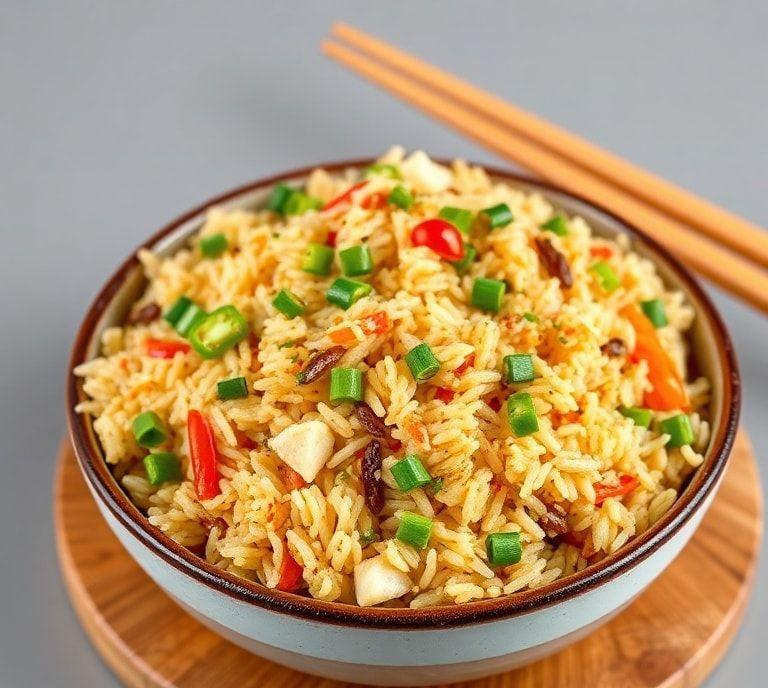
This vegetarian fried rice is the kind of dish you can whip up in 20 minutes or less. It’s the perfect balance of savory, a little sweet, and loaded with freshness from the vegetables. What’s more, it’s a one-pan wonder, so cleanup is a breeze.
Ingredients Needed
You’ll need the following ingredients to create a vibrant, veggie-packed fried rice:
- 2 cups of cooked rice (preferably cold and a day old for that perfect fried rice texture)
- 1 tablespoon vegetable oil (you can use sesame oil for extra flavor)
- 1 small onion, diced
- 2 garlic cloves, minced
- 1/2 cup carrots, finely chopped
- 1/2 cup bell peppers, diced (I like red or yellow for their sweetness)
- 1/2 cup frozen peas (or fresh if you have them)
- 2 eggs (optional, for extra protein and richness)
- 2 tablespoons soy sauce (or tamari for a gluten-free option)
- 1 teaspoon sesame oil (for a nutty kick)
- 1 teaspoon sugar (to balance the saltiness)
- 1/2 teaspoon ground black pepper
- 1/4 teaspoon chili flakes (optional, for a touch of heat)
- Fresh scallions for garnish (optional)
I’ve found that using cold, day-old rice works wonders here. Freshly made rice is too soft and moist, so it tends to get mushy when you fry it. Cold rice gives you those perfect, slightly crispy edges you want in fried rice.
Cooking Instructions
- Prepare your ingredients: Start by chopping all your veggies and mincing the garlic. The key to a smooth cooking process here is being organized. Have everything ready to go before you start cooking because things happen quickly once you hit the heat.
- Heat the pan: Heat your wok or large skillet over medium-high heat and add the vegetable oil. Wait until the oil gets hot, shimmering, but not smoking.
- Sauté the aromatics: Add the onions to the pan and sauté them until they turn soft and translucent-about 2-3 minutes. Then, add the garlic and stir for another 30 seconds until it becomes fragrant.
- Add the vegetables: Toss in the carrots, bell peppers, and peas. Stir-fry them for about 5-6 minutes, just until they’re tender but still vibrant. The colors here will be gorgeous-each vegetable adding its own pop of brightness.
- Scramble the eggs (optional): If you’re using eggs, push the veggies to one side of the pan and crack the eggs into the empty space. Scramble them gently until they’re fully cooked, then mix them back in with the vegetables.
- Fry the rice: Add your cold rice to the pan. Break up any clumps with a spatula and let the rice sit for a minute or two to get slightly crispy. Stir occasionally so it doesn’t burn. Once the rice is heated through and slightly crispy, it’s time to add your flavorings.
- Flavor it up: Pour in the soy sauce, sesame oil, and sprinkle in the sugar, black pepper, and chili flakes if you’re using them. Stir everything together until the rice is evenly coated and you can smell that beautiful umami.
- Garnish and serve: Transfer the fried rice to plates and top it with some freshly chopped scallions for a burst of fresh flavor. You can also add a drizzle of extra sesame oil or a squeeze of lime if you like.
And there you have it: a vibrant, delicious, and perfectly seasoned vegetarian fried rice that can stand alone or serve as a side to any main dish.
Ingredient Science Spotlight
Let’s talk about some of the key ingredients in fried rice and what makes them shine:
- Cold Rice: The secret behind great fried rice is using cold, day-old rice. Fresh rice is too sticky and moist to fry properly. Cold rice has less moisture, which gives it that beautiful dry texture. The individual grains separate and fry up to crispy perfection when added to hot oil.
- Soy Sauce: This dark, salty liquid adds a rich umami flavor, making the fried rice feel savory and satisfying. It also helps enhance the natural sweetness of the vegetables, creating a balanced dish.
- Sesame Oil: This little ingredient is like a flavor bomb. Just a touch of sesame oil brings a nutty, toasty undertone that elevates the dish. It’s like the secret ingredient that makes the fried rice feel so much more complex than it actually is.
- Eggs: Eggs bring richness and depth to fried rice, giving it a soft, slightly creamy texture. They’re also a great source of protein, turning this simple dish into something more filling.
Expert Tips
- Use the Right Rice: As mentioned, using cold rice is key. If you don’t have leftover rice, cook some the day before and refrigerate it. If you’re in a pinch, you can spread the freshly cooked rice on a baking sheet and place it in the fridge for 15-20 minutes to cool down.
- High Heat: You want your wok or skillet to be very hot when you cook the rice. This ensures that everything fries quickly and gets that beautiful crispy texture. Don’t overcrowd the pan, as that will lower the heat and result in soggy rice.
- Don’t Skip the Soy Sauce: Even if you’re trying to watch your sodium intake, a little soy sauce is essential for that signature fried rice flavor. You can opt for a low-sodium version or try tamari as a gluten-free alternative.
- Customizable Add-Ins: This recipe is very versatile. Feel free to throw in some chopped tofu, edamame, or even some roasted vegetables. If you’re craving a little more protein, chickpeas or tempeh are excellent additions.
Recipe Variations
- Tofu Fried Rice: For a boost of protein, cube some firm tofu, sauté it until crispy, and mix it in with your veggies.
- Mushroom Fried Rice: Mushrooms add a meaty texture and earthy flavor. Shiitake, cremini, or portobello mushrooms are all great choices for this variation.
- Curry Fried Rice: For a twist, add a teaspoon of curry powder to the pan while frying the rice. It’ll give the dish a warm, spicy flavor with a hint of sweetness.
- Nuts and Seeds: For a bit of crunch, sprinkle some toasted sesame seeds, cashews, or peanuts on top of your fried rice before serving.
Final Words
This vegetarian fried rice recipe is a simple, quick, and satisfying way to enjoy a delicious, plant-based meal without feeling like you’re compromising on flavor. It’s a great meal prep option, a fabulous side dish, or even a stand-alone dinner when you’re craving something comforting and easy. The flavors are customizable, the textures are delightful, and it never gets boring.
FAQs
What Vegetables Can I Include In A Vegetarian Fried Rice Recipe?
You can include a variety of vegetables in vegetarian fried rice depending on your preference. Common options include carrots, peas, bell peppers, corn, broccoli, mushrooms, and green beans. You can also add leafy greens like spinach or kale for extra nutrients. It’s a great dish for using up leftover vegetables in your fridge.
Can I Use Brown Rice Instead Of White Rice For Vegetarian Fried Rice?
Yes, you can use brown rice in place of white rice for a healthier alternative. Brown rice adds a nutty flavor and provides more fiber and nutrients compared to white rice. However, since brown rice takes longer to cook, it’s important to either pre-cook it or use leftover rice to achieve the best texture for fried rice.
How Can I Make Vegetarian Fried Rice More Flavorful Without Using Soy Sauce?
If you’d like to avoid soy sauce, you can enhance the flavor of your vegetarian fried rice with a variety of alternatives. Consider using tamari (a gluten-free soy sauce), coconut aminos, or liquid aminos. For added depth, try using garlic, ginger, sesame oil, and vegetable broth. You can also incorporate chili paste, hoisin sauce, or a squeeze of lime for a more complex taste.