Imagine coming home after a long, busy day, and the first thing that greets you is the warm, inviting smell of something delicious cooking on the stove. You walk in, and there it is – a pot of rich, comforting fufu, the West African staple that brings people together around a shared love for bold, satisfying flavors.
But what if I told you that this familiar, beloved dish could be made vegetarian, without losing any of its essence or heartiness? That’s right! Vegetarian fufu is a perfect way to indulge in the comfort of fufu while keeping things plant-based and nutritious. It’s a dish that holds stories – from family gatherings to street-side stalls. For me, fufu has always been a reminder of home. Growing up, I remember the aroma of my grandmother’s kitchen filling the air as she stirred the giant pot of fufu, preparing for the entire family. It’s a communal dish; something made with patience, care, and love, bringing everyone together. Let’s explore how we can create that same feeling in our own kitchens, but with a vegetarian twist.
Vegetarian Fufu Recipe
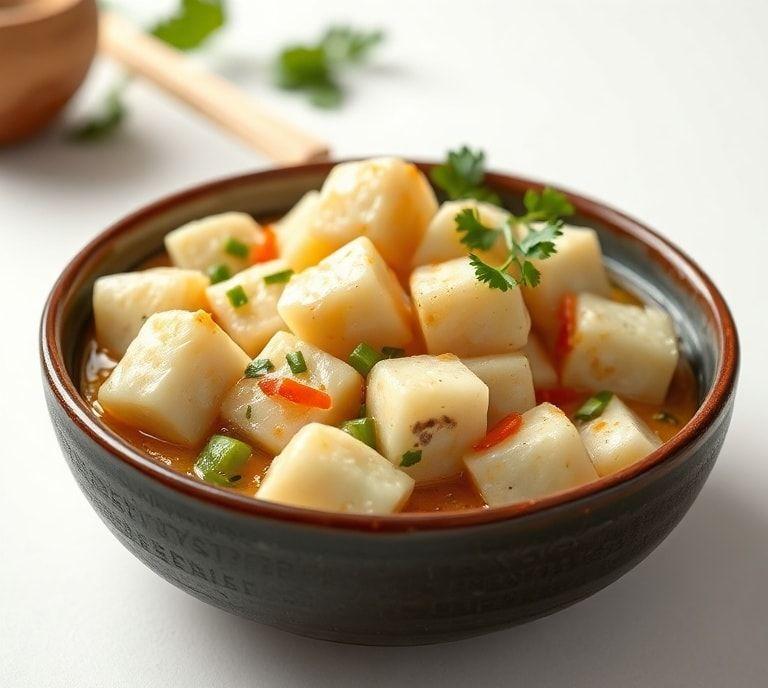
Vegetarian fufu is incredibly versatile. Traditionally, fufu is made by pounding boiled starchy vegetables like yam, plantains, or cassava until it becomes a smooth, stretchy dough-like consistency. It’s usually paired with rich, savory stews, making it the perfect accompaniment to a variety of dishes. But in the vegetarian version, we can experiment with flavors and even add ingredients to enhance the nutritional value while keeping that comforting, satisfying feel.
Ingredients Needed
The beauty of fufu is that it can be made with such a wide range of ingredients, but the core of the dish remains rooted in starchy vegetables. For this vegetarian variation, you’ll need the following:
- Cassava (Yuca): The most traditional ingredient for fufu. It gives the dish its characteristic stretchy texture and slightly earthy flavor. If you can’t find fresh cassava, frozen cassava works just as well.
- Plantains: Adding plantains not only brings a subtle sweetness to the fufu but also offers more fiber and nutrients. You can use green or ripe plantains depending on your preference for sweetness or starchiness.
- Water: To help create the doughy texture and for boiling the vegetables.
- Salt: A pinch of salt enhances the natural flavors and balances the sweetness from the plantains.
- Olive oil or palm oil: Though the traditional recipe uses palm oil, olive oil is a great alternative for a lighter touch.
If you’re feeling adventurous, you can also add other root vegetables like yam or sweet potatoes to diversify the flavor and texture.
Cooking Instructions
- Prep the Ingredients: Start by peeling the cassava and plantains. For the cassava, cut it into manageable chunks to make boiling easier. Plantains should be cut into slices.
- Boil: Place both the cassava and plantain slices in a large pot, covering them with water. Bring the water to a boil, reduce the heat, and let it simmer for about 20-30 minutes, or until the cassava and plantains are tender and easily pierced with a fork.
- Mash and Mix: Once tender, drain the water and transfer the cassava and plantains into a large mixing bowl. Start mashing the mixture, using either a potato masher or a pestle (if you have one, it’s a great way to get that authentic texture). As you mash, gradually add a bit of water (or olive oil) to achieve the smooth, stretchy consistency of fufu.
- Knead: Once the mixture is smooth and stretchy, use your hands to knead it until it forms a soft, pliable dough. This step is crucial to getting the fufu just right – a bit of patience and effort goes a long way here.
- Serve: Shape the fufu into small round balls or ovals and serve hot alongside your favorite vegetarian stew, soup, or sauce. The fufu should have a sticky, elastic texture, perfect for dipping into rich stews.
Ingredient Science Spotlight
It’s easy to take the ingredients for granted when cooking something as familiar as fufu, but there’s real science happening behind these simple elements.
- Cassava: This root vegetable is a great source of carbohydrates, and it’s naturally gluten-free, which makes fufu an excellent option for those with gluten sensitivities. The high starch content in cassava, particularly resistant starch, provides sustained energy and has a role in gut health. It’s also a wonderful source of fiber, potassium, and vitamin C.
- Plantains: Plantains, a close relative to bananas, bring a burst of natural sweetness to the dish. The starch in plantains becomes more digestible as it cooks, and they add a dose of vitamins A and C. The potassium in plantains is also beneficial for heart health and maintaining fluid balance in the body.
When combined, cassava and plantains create a dish that balances earthy starch with a slight sweetness, while giving you a dose of vital nutrients and energy. This makes vegetarian fufu a wholesome meal, no matter how you serve it.
Expert Tips
- Texture Matters: The key to a perfect fufu lies in the texture. It should be smooth and stretchy. If you find that your mixture is too thick, add a little more warm water or olive oil to get it just right. The goal is to have it soft but firm enough to hold its shape.
- Don’t Rush the Kneading: When you’re kneading the fufu, don’t be tempted to skip this step or rush through it. The more you work the dough, the better the final texture will be. Just like making bread dough, patience here pays off.
- Experiment with Flavor Additions: If you’re in the mood for a twist, consider incorporating spices like ginger, garlic, or even a bit of curry powder to add a different layer of flavor to the fufu. These additions pair especially well with vegetable-based stews.
- Serving Tip: While fufu is traditionally served with rich, savory stews, you can also serve it with lighter soups, like a tomato-based one with okra, or even a spicy lentil stew.
Recipe Variations
- Sweet Potato Fufu: Swap the cassava for sweet potatoes for a vibrant, sweet variation. This adds a beautiful color to the dish and boosts the nutritional content, giving you more vitamins and antioxidants.
- Spicy Fufu: Add chili peppers to the fufu dough for a spicy kick that will add heat and flavor. You can also try blending in a little bit of cayenne or smoked paprika for a smoky flavor.
- Quinoa and Fufu Blend: For a modern twist, mix some cooked quinoa into the fufu. This adds protein to the dish and gives it an interesting texture. You’ll find it gives your vegetarian fufu a bit of crunch!
- Herb Infusion: Adding fresh herbs like parsley, cilantro, or thyme to the fufu dough can infuse the dish with fresh, aromatic flavors that give it an extra layer of sophistication. This works particularly well if you’re pairing the fufu with a vegetable-heavy stew.
Final Words
Vegetarian fufu is a dish that can be as simple or as complex as you want it to be. It’s a beautiful, versatile dish with deep roots in tradition, but it’s also open to creativity and variation. Whether you stick with the classic recipe or play around with different variations, it’s a comforting, satisfying dish that brings people together. Just like the communal nature of the dish itself, the cooking process is about connection-both to the ingredients and the people you share it with.
FAQs
What Is Vegetarian Fufu And How Does It Differ From Traditional Fufu?
Vegetarian fufu is a plant-based version of the traditional West African fufu, typically made from starchy vegetables such as cassava, yams, or plantains. Unlike traditional fufu, which may be served with meat-based soups or stews, vegetarian fufu is paired with plant-based soups and sauces, making it suitable for those who follow a vegetarian or vegan diet.
Which Ingredients Are Commonly Used To Make Vegetarian Fufu At Home?
The most common ingredients for vegetarian fufu are cassava flour, yam flour, or plantain flour, along with water. Some variations incorporate a combination of these flours to achieve a smoother texture. The key is to boil the water first and gradually stir in the flour while continuously stirring to prevent lumps, resulting in a smooth, elastic consistency.
How Can I Serve Vegetarian Fufu With Different Vegetarian Soups Or Stews?
Vegetarian fufu can be served with a variety of plant-based soups and stews, such as egusi soup with mushrooms, okra soup with vegetables, or groundnut (peanut) soup made with legumes and leafy greens. To eat, break off small pieces of fufu, roll them into balls, and dip them into the soup or stew. This pairing provides a satisfying and balanced meal rich in carbohydrates, protein, and fiber.