There’s something wonderfully comforting about a bowl of noodles, don’t you think? The soft, tender strands coated in a delicious sauce, and the aromatic herbs and spices mingling together-it’s pure joy. But when you throw garlic into the mix, magic happens. Garlic has this natural ability to transform even the simplest dish into something extraordinary. So, when you combine garlic with noodles, it’s like the perfect partnership: hearty, flavorful, and incredibly satisfying.
I first stumbled upon vegetarian garlic noodles on a rainy weekend. I had just returned from a farmers’ market, and my kitchen was stocked with fresh vegetables, herbs, and a batch of locally made noodles. With the weather outside damp and cool, I wanted something easy yet comforting. After a quick search, I found a recipe that turned out to be so simple yet incredibly flavorful. The best part? It was vegetarian, making it a perfect meal for any time of the week.
Over the years, I’ve tweaked it, tried variations, and perfected it to the point where I can make it without even looking at the recipe anymore. The beauty of this dish is its flexibility-it’s easy to make and allows room for personal touches. So, whether you’re a long-time noodle lover or a garlic fanatic, this recipe is sure to hit the spot.
Vegetarian Garlic Noodles Recipe
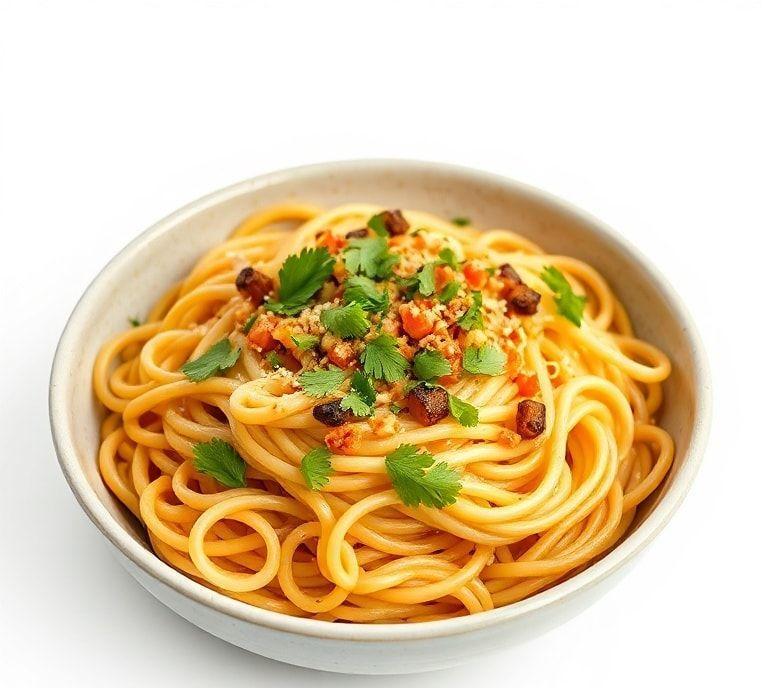
This vegetarian garlic noodles recipe is a celebration of simple ingredients, bold flavors, and the magic that happens when you bring them all together. It’s garlicky, savory, and a little bit spicy if you like it that way. And the best part? You don’t have to be an expert chef to get it just right.
Ingredients Needed
- 8 oz noodles: Choose your favorite type of noodles. I personally love using fresh egg noodles, but you can use spaghetti, rice noodles, or even soba for a more unique twist.
- 3 tablespoons olive oil: It’s all about the olive oil here. You want it to carry the garlic flavor and add richness to the dish.
- 6 cloves garlic, minced: Yes, six. This is a garlic-forward dish, so don’t shy away. The garlic caramelizes in the oil, becoming mellow yet robust.
- 1 tablespoon soy sauce: This adds umami and depth to the dish without overpowering the garlic.
- 1 teaspoon chili flakes (optional): For a touch of heat. If you’re not a fan of spice, you can skip this or reduce the amount.
- 1 tablespoon sesame oil: This gives the noodles a lovely nutty aroma and enhances the garlic flavor.
- 1 tablespoon rice vinegar: For a little tang to balance the richness of the garlic and oils.
- Fresh herbs for garnish (green onions, cilantro, or basil): A fresh herb finish takes it from good to great.
- Salt and pepper: For seasoning.
Cooking Instructions
- Cook the noodles: Bring a large pot of salted water to a boil and cook your noodles according to the package instructions. I’ve found that fresh noodles need only a minute or two of cooking, while dried noodles will need a little longer. Be sure to reserve about half a cup of the pasta cooking water before draining. It’ll help create the perfect sauce later.
- Prepare the garlic oil: While your noodles are cooking, heat the olive oil in a large skillet over medium heat. Once it’s hot, add the minced garlic and sauté it for about 2-3 minutes, until it’s golden and fragrant. Be careful not to let it burn-it should be a golden brown, not black.
- Mix the sauce: To the garlic oil, add soy sauce, sesame oil, rice vinegar, and chili flakes (if you’re using them). Stir everything together, letting the flavors meld for another minute. Taste it and adjust the seasoning with a pinch of salt and pepper if needed.
- Combine the noodles and sauce: Add the cooked noodles to the skillet, tossing them in the garlic oil sauce. Use some of that reserved pasta water to thin out the sauce if it’s too thick. Keep tossing until the noodles are well coated in that luscious garlic sauce.
- Garnish and serve: Transfer the noodles to serving plates and sprinkle with your choice of fresh herbs. I usually go with green onions for a bit of crunch and color, but cilantro or basil works beautifully too.
Ingredient Science Spotlight
One of the most intriguing aspects of this dish lies in the humble garlic. When garlic is sautéed, it undergoes a process called the Maillard reaction, which is responsible for turning its natural sugars into complex, caramelized flavors. Instead of the sharp bite that raw garlic gives, sautéed garlic becomes mellow, sweet, and deep in flavor.
Then there’s sesame oil. Unlike olive oil, which brings richness, sesame oil imparts a nutty, toasty quality to the dish. It’s a unique fat that doesn’t just coat the noodles; it adds complexity. When combined with soy sauce, the oils create a dynamic balance of richness and umami, making the noodles incredibly satisfying.
Soy sauce and rice vinegar are staples in many Asian-inspired dishes, and together they give this noodle dish a kind of tangy-salty harmony. The rice vinegar’s acidity cuts through the richness of the oils, creating the perfect contrast for the garlic’s sweetness.
Expert Tips
- Timing is everything with garlic: Garlic can go from sweet and savory to bitter and burnt in the blink of an eye. When sautéing, make sure to keep an eye on it. It should sizzle and become fragrant, but it shouldn’t sit on the heat for too long.
- Customize the heat: If you’re into spice, throw in a little more chili flakes or even a splash of sriracha. On the other hand, if you’re looking for a milder version, you can leave out the chili entirely.
- Noodles: If you’re using dried noodles, be sure to cook them just until al dente. Overcooking them can make the dish mushy. Fresh noodles work beautifully, too, and they absorb the sauce so well.
- Herb swaps: While green onions are the classic garnish, feel free to experiment with basil or cilantro for a different kind of freshness. Mint could even work if you’re feeling adventurous!
Recipe Variations
While the base recipe is vegetarian, there are a ton of ways you can personalize these garlic noodles.
- Add vegetables: I love throwing in some sautéed spinach, mushrooms, or bell peppers. They add color, texture, and a bit of extra nutrition.
- Protein: To make the dish more substantial, you can toss in some tofu, tempeh, or edamame. If you’re not vegetarian, grilled chicken or shrimp works great too.
- Noodles: Switch up the noodles for a gluten-free option, like rice noodles, or try buckwheat soba for a nutty flavor.
- Make it creamy: Add a splash of coconut milk to the sauce for a creamy version. This adds richness and gives the dish a slightly tropical twist.
Final Words
This vegetarian garlic noodles recipe is more than just a quick meal. It’s a canvas for creativity and a lesson in how a few simple ingredients, when treated with care, can deliver a truly memorable dish. Whether you’re looking for a weeknight dinner that comes together in under 30 minutes or a flavorful side dish to accompany a larger meal, these noodles are sure to please.
I love that this dish can be adapted to so many tastes-whether you want it spicy, mild, or somewhere in between. The garlic really takes center stage, and the balance of the sesame oil, soy sauce, and vinegar creates a depth of flavor that’s incredibly satisfying.
FAQs
What Are The Main Ingredients For A Vegetarian Garlic Noodles Recipe?
The main ingredients for a vegetarian garlic noodles recipe typically include garlic, soy sauce, sesame oil, and a variety of vegetables such as bell peppers, broccoli, carrots, or spinach. For the noodles, you can use any type of pasta, but traditional Asian-style noodles like chow mein or soba are commonly used. Additional flavorings may include ginger, green onions, and chili flakes.
Can I Make Vegetarian Garlic Noodles Without Using Soy Sauce?
Yes, you can make vegetarian garlic noodles without soy sauce by using alternative seasonings. Tamari (a gluten-free soy sauce substitute) or coconut aminos can be used for a similar salty flavor. For a different flavor profile, you could also try using vegetable broth combined with a touch of miso paste or liquid aminos as a replacement.
How Can I Make My Vegetarian Garlic Noodles Spicier?
To make your vegetarian garlic noodles spicier, you can add fresh or dried chili peppers, chili flakes, or chili oil during the cooking process. You can also use a hot sauce such as sriracha or add a small amount of crushed red pepper for a more controlled level of heat. Adjust the spice according to your personal preference.