It’s funny how something so simple can have such a deep impact on the way we enjoy food. For many, gelatin is the unsung hero of the kitchen, often only thought of when it comes to jelly, gummies, or marshmallows. But for those of us looking for plant-based alternatives, gelatin can feel like a roadblock. So, what do you do when a dessert recipe calls for gelatin, but you don’t eat meat? Enter vegetarian gelatin. This isn’t just a substitute-it’s an opportunity to explore new textures, flavors, and techniques in the kitchen. The best part? It’s surprisingly easy to make at home, and you’ll have total control over the ingredients, ensuring it fits exactly how you like it.
In this guide, we’re diving into how to make your own vegetarian gelatin. Whether you’re vegan, vegetarian, or just trying to reduce your environmental impact, you’re going to love the simplicity and versatility this recipe brings.
Vegetarian Gelatin Recipe
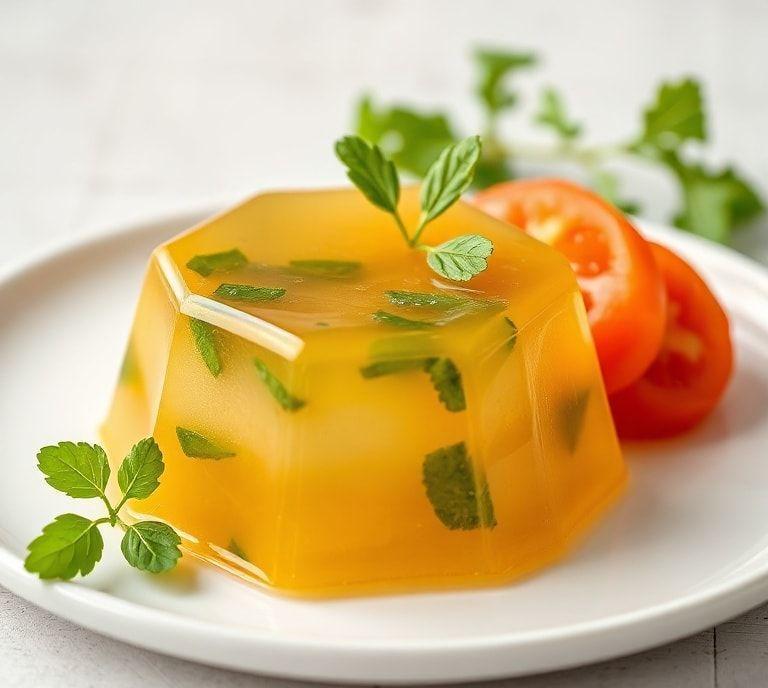
If you’re like me, you may have been in the situation where a recipe called for gelatin, and you had no clue how to swap it out. A lot of commercial gelatin products are made from animal collagen (typically derived from cows or pigs), but luckily, there’s a fantastic plant-based alternative that’s just as good: agar-agar. Derived from red algae, agar-agar has been used for centuries in Asian cuisine and is an excellent choice for making jelly-like treats without compromising texture or quality.
In this recipe, we’ll make a simple vegetarian gelatin using agar-agar powder. The process is straightforward and can be adjusted to suit your flavor preferences or the consistency you desire. Let’s get into it!
Ingredients Needed
The beauty of this recipe is how minimal the ingredients are. You’re not running out to fancy health food stores to gather rare items; everything you need is probably already in your pantry.
- Agar-agar powder: This is the plant-based magic ingredient that replaces traditional gelatin. You’ll find it at most health food stores or Asian supermarkets. It’s typically sold in powdered form, and a little goes a long way.
- Water or juice: You can use plain water for a neutral gelatin base or juice if you want to infuse some fruity flavor into your gelatin. Apple, grape, and orange juices work wonderfully.
- Sweetener (optional): Depending on what you’re making, you might want to sweeten your gelatin. I usually use maple syrup or agave for a more natural option, but you can go with sugar, honey, or any sweetener of your choice.
- Flavorings (optional): A dash of vanilla, citrus zest, or even a bit of matcha or coffee can add interesting flavors to your gelatin base.
Cooking Instructions
This part couldn’t be easier. I love how quickly this comes together, and the best part is the sense of satisfaction when it sets up perfectly. Here’s how to do it:
- Dissolve the agar-agar: In a medium saucepan, combine 1 cup of water (or juice) with 1 teaspoon of agar-agar powder. Stir it together well. The key here is to dissolve the agar fully before bringing it to a boil. This can take a minute or two of stirring to ensure there are no lumps.
- Bring it to a boil: Once the agar is dissolved, bring the mixture to a boil over medium heat. Let it simmer for 2-3 minutes. This boiling process activates the agar-agar, allowing it to thicken and set later.
- Sweeten and flavor: After boiling, add in your sweetener (if desired) and any flavorings you’re using. Stir until everything is dissolved and well-mixed.
- Pour and set: Pour the hot liquid into molds or a shallow dish. You can use silicone molds for individual servings or just a baking dish for a large batch. Let the mixture cool at room temperature for about 15 minutes, then refrigerate for at least 2 hours to set completely.
- Serve: Once your gelatin has set, pop it out of the molds or cut it into squares. If it’s too firm, you can gently warm it up to soften it before serving.
Ingredient Science Spotlight
Agar-agar is the star of this recipe, and understanding its science makes it even more fascinating. Unlike animal-derived gelatin, which is made by boiling animal bones and connective tissue, agar-agar is a natural polysaccharide obtained from the cell walls of red algae. It has the ability to form a gel when dissolved in hot water and then cooled, making it a perfect plant-based alternative.
What’s particularly interesting about agar-agar is that it sets at a much higher temperature than gelatin. While gelatin needs to be refrigerated to firm up, agar-agar can set at room temperature, which is a huge bonus in the kitchen. Also, while gelatin melts at body temperature, agar-agar stays firm, making it ideal for warmer environments or dishes that need a bit of structure.
Expert Tips
Here are a few tips I’ve picked up over time that will elevate your vegetarian gelatin game:
- Check the ratio: The general rule of thumb is 1 teaspoon of agar-agar powder per cup of liquid, but this can vary based on how firm you want the gel to be. If you’re after a firmer texture, you can bump up the agar-agar to 1.5 teaspoons per cup.
- Let it cool completely: Agar-agar gels best when it’s completely cooled and set. If you’re in a rush, pop it in the fridge for a faster set. But for the best consistency, let it sit undisturbed until it’s fully firm.
- Try it with coconut milk: For a rich and creamy gelatin, try using coconut milk or another plant-based milk as your base. This creates a more pudding-like texture, perfect for tropical-flavored desserts.
- Layering flavors: You can make colorful, layered gelatin by allowing each layer to set before pouring the next. It’s like making a fruit salad in gelatin form, and it looks stunning at parties.
- Avoid overcooking: While agar-agar is pretty forgiving, it’s still important not to overcook it. Prolonged boiling can affect the texture, making it too firm or brittle.
Recipe Variations
This vegetarian gelatin recipe is so adaptable that you can make it to fit a wide range of flavor profiles. Here are a few variations I love:
- Fruit-Infused Gelatin: Add chunks of fresh fruit into your gelatin once it’s been poured into the molds. Tropical fruits like mango, pineapple, or berries work especially well. The gelatin will firm up around the fruit, creating a beautiful, textured dessert.
- Citrus Gelatin: Use fresh orange, lemon, or lime juice as your base. I love adding a little zest to these for an extra burst of flavor. You can even use sparkling water or a fizzy soda for a fun twist!
- Herbal Gelatin: For a more sophisticated take, try infusing your gelatin with herbal teas like chamomile, lavender, or mint. Simply steep the herbs in hot water before adding the agar-agar. It’s like a grown-up version of gummy bears.
- Coffee or Chocolate Gelatin: Combine brewed coffee or cocoa powder with agar-agar for a rich, indulgent treat. You could even swirl in some melted chocolate or espresso to create an extra-decadent dessert.
Final Words
There’s something uniquely satisfying about taking an old favorite and giving it a plant-based twist. Vegetarian gelatin opens up a world of possibilities, from light and refreshing jellies to rich and creamy molded desserts. It’s a kitchen hack that’s not only delicious but also surprisingly versatile. What’s more, you can get creative and tailor it to fit your dietary needs, whether that means going full-on vegan, cutting back on sugar, or experimenting with different flavors.
FAQs
What Are The Main Ingredients In A Vegetarian Gelatin Recipe?
A typical vegetarian gelatin recipe uses agar-agar, a plant-based alternative derived from seaweed, instead of gelatin made from animal products. Other common ingredients include fruit juice, sweeteners (such as sugar or honey), and water. Some recipes may also include flavorings, colorants, or additional thickeners like pectin, depending on the desired texture and taste.
How Do I Substitute Agar-agar For Gelatin In Recipes?
To substitute agar-agar for traditional gelatin, use approximately 1 teaspoon of agar-agar powder for every 1 cup of liquid. Agar-agar needs to be dissolved in boiling water to activate its gelling properties, and it sets at room temperature. Unlike gelatin, which requires refrigeration to set, agar-agar will firm up as it cools at room temperature, usually within 30 minutes.
Can I Make Vegetarian Gelatin Without Agar-agar?
Yes, there are other vegetarian alternatives to agar-agar, such as pectin or carrageenan. Pectin is often used in fruit-based recipes like jams and jellies, and it can help create a similar jelly-like consistency. Carrageenan, derived from seaweed, is another option that works well for creating a soft, gel-like texture in vegetarian gelatin recipes. However, agar-agar remains the most commonly used option due to its strong gelling power and versatility.