Cooking at home often feels like a special kind of magic. The way ingredients come together to create something comforting, nourishing, and sometimes even surprising-it’s a process that brings joy on so many levels. And when you combine that with the added layers of dietary preferences or restrictions, it feels like an art form that takes a little extra care and thought.
I remember the first time I tried to cook a vegetarian, gluten-free meal. I was hosting a dinner for friends, some of whom were vegetarian, and one who had recently gone gluten-free. My initial reaction? Panic. How could I possibly meet everyone’s needs without turning the meal into a bland, uninspired bowl of steamed veggies? But with a little trial and error, I came up with a dish that everyone loved. It wasn’t just edible-it was flavorful, hearty, and totally satisfying. I’ve been refining that dish ever since, and I’m excited to share it with you.
Today, I’m going to walk you through a recipe that will impress both vegetarians and gluten-free eaters while also satisfying the broader crowd. It’s a recipe that’s balanced, delicious, and versatile, so you’ll be able to enjoy it time and time again without it ever feeling repetitive.
Vegetarian Gluten-free Recipe: Stuffed Sweet Potatoes With Quinoa, Avocado, And Lime
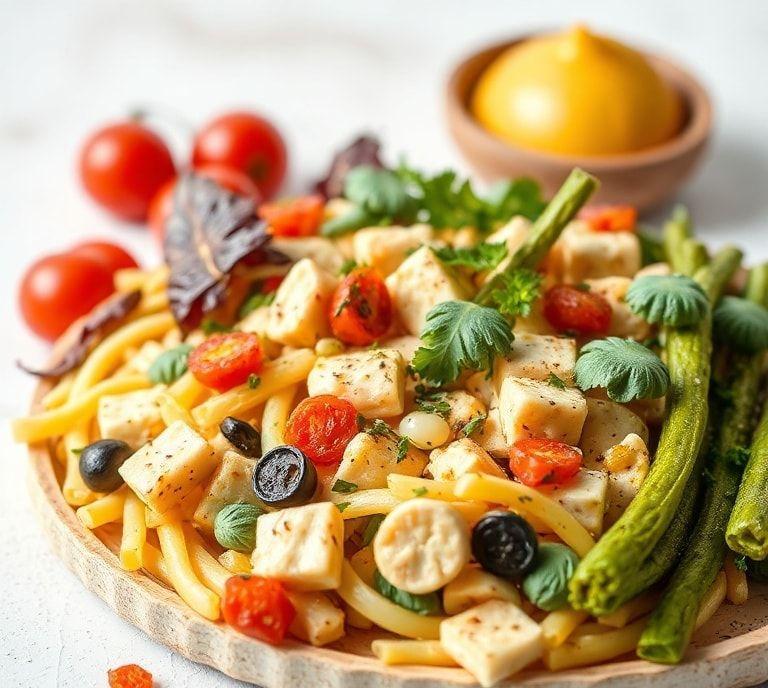
This dish is all about balance. You’ve got the sweet and savory combination of roasted sweet potatoes, the wholesome crunch of quinoa, and the creamy richness of avocado, all tied together with a tangy lime dressing. It’s a perfect mix of textures, flavors, and nutrition. Plus, it’s easy to make, and it comes together in about an hour, which makes it perfect for a weeknight dinner or a weekend gathering.
Ingredients Needed
You’re going to need a few staple ingredients to pull this off, most of which you probably already have in your pantry. Here’s the full list:
For The Sweet Potatoes
- 4 medium sweet potatoes (about the size of your fist)
- 1 tbsp olive oil
- Salt and pepper to taste
- A pinch of cinnamon (optional, but adds a lovely warmth)
For The Filling
- 1 cup quinoa (rinsed)
- 2 cups vegetable broth (you can use water, but broth adds depth of flavor)
- 1 can black beans (or 1 ½ cups cooked black beans)
- 1 red bell pepper, finely diced
- 1/2 cup corn kernels (fresh or frozen)
- 1 tsp cumin
- 1/2 tsp smoked paprika
- Salt and pepper to taste
For The Toppings
- 1 ripe avocado, sliced
- Juice of 1 lime
- Fresh cilantro, chopped (optional)
- A dollop of dairy-free sour cream or plain Greek yogurt (optional)
- Crumbled feta cheese (optional, if you’re not strictly dairy-free)
Cooking Instructions
Step 1: Roast The Sweet Potatoes
Preheat your oven to 400°F (200°C). While the oven heats up, wash and scrub the sweet potatoes. Prick them a few times with a fork to allow steam to escape as they roast. Rub them with olive oil, and season with salt, pepper, and a touch of cinnamon if you like. Place them on a baking sheet and roast for 45-50 minutes, or until they’re tender and easy to pierce with a fork. You’ll know they’re done when the skin looks a little crispy and the flesh is soft and sweet.
Step 2: Cook The Quinoa
While the sweet potatoes roast, rinse the quinoa under cold water in a fine-mesh strainer. Combine the rinsed quinoa and vegetable broth (or water) in a medium pot. Bring it to a boil over medium-high heat, then reduce to a simmer, cover, and cook for about 15 minutes or until the quinoa is tender and the liquid is absorbed. Fluff it with a fork and set it aside.
Step 3: Prepare The Filling
In a large pan, heat a splash of olive oil over medium heat. Add the diced bell pepper and cook for about 5 minutes, until it softens. Add the black beans, corn, cumin, smoked paprika, salt, and pepper. Stir everything together and cook for another 5 minutes, until everything is heated through and the flavors meld.
Step 4: Assemble The Dish
Once the sweet potatoes are roasted and the quinoa filling is ready, it’s time to assemble. Slice each sweet potato down the middle (be careful, they’ll be hot!). Gently fluff the flesh with a fork and stuff it with the quinoa mixture. Top with sliced avocado, a squeeze of lime juice, and a sprinkle of fresh cilantro.
You can also add a dollop of sour cream or a sprinkle of feta for a little extra creaminess if you’re not avoiding dairy.
Ingredient Science Spotlight: Sweet Potatoes
Sweet potatoes are a powerhouse ingredient. Not only are they naturally gluten-free, but they’re also packed with vitamins and antioxidants, especially beta-carotene, which is converted into vitamin A in the body. This nutrient is essential for maintaining healthy vision, boosting your immune system, and supporting skin health.
But what really makes sweet potatoes stand out is their ability to balance out sweet and savory flavors. When roasted, they caramelize, creating a soft, sweet interior with a slightly crispy exterior. This makes them a perfect base for hearty fillings like quinoa and black beans. Plus, they’re high in fiber, which helps keep you feeling full and satisfied longer.
Expert Tips
- Quinoa Variations: While I used white quinoa here, feel free to experiment with other types like red or black quinoa for a slightly different texture and flavor. Red quinoa has a chewier bite, while black quinoa is slightly sweeter.
- Make it Spicy: If you like heat, you can add some diced jalapeños to the quinoa mixture, or sprinkle a little chili powder on top of the stuffed sweet potatoes.
- Prep Ahead: The quinoa filling can be made a day ahead and stored in the fridge. Just reheat it when you’re ready to serve. The roasted sweet potatoes can also be cooked in advance and reheated in the oven to bring them back to their crispy glory.
- Avocado Tip: To keep your avocado from turning brown, add lime juice as soon as you slice it. It not only keeps the color fresh but also adds a nice zing to balance out the richness of the avocado.
Recipe Variations
The beauty of this recipe is its flexibility. Here are some ways you can customize it to fit your tastes or dietary needs:
- Swap the Black Beans: If you’re not a fan of black beans, kidney beans, pinto beans, or chickpeas would work just as well. Each of these options adds a hearty, protein-packed component to the dish.
- Add Greens: For a burst of freshness and extra nutrients, try adding sautéed spinach, kale, or arugula to the quinoa filling. They’ll cook down nicely and give the dish a lovely green pop.
- Cheese Choices: If you’re not following a vegan or dairy-free diet, a sprinkle of sharp cheddar or cotija cheese can complement the sweet potatoes wonderfully. Alternatively, nutritional yeast can be sprinkled on top for a cheesy flavor without the dairy.
Final Words
This recipe isn’t just a meal; it’s an experience. From the roasting of the sweet potatoes to the assembly of the vibrant toppings, every step brings you closer to a dish that’s full of flavor, nutrition, and joy. Whether you’re a seasoned cook or a kitchen newbie, this meal is a reminder that healthy food doesn’t have to be boring or complicated. It can be beautiful, satisfying, and surprisingly easy to pull off.
I’ve made this dish countless times for friends and family, and every time, it’s met with rave reviews. It’s the perfect combination of comfort and health, making it ideal for any occasion-whether it’s a casual weeknight dinner or a gathering with loved ones.
FAQs
What Are Some Common Ingredients In Vegetarian Gluten-free Recipes?
Common ingredients in vegetarian gluten-free recipes include vegetables, legumes (such as beans and lentils), quinoa, rice, gluten-free grains (like millet, buckwheat, and amaranth), tofu, tempeh, plant-based dairy substitutes (like almond milk or coconut yogurt), gluten-free flours (such as rice flour, almond flour, or chickpea flour), and nutritional yeast for added flavor.
Can I Substitute Regular Flour With Gluten-free Flour In Vegetarian Recipes?
Yes, you can substitute regular flour with gluten-free flour in most vegetarian recipes. However, it’s important to note that different gluten-free flours behave differently. A combination of gluten-free flours (such as rice flour, potato starch, and tapioca flour) often yields better texture and structure. You may also need to adjust the amount of liquid in the recipe as gluten-free flours tend to absorb more moisture.
Are Vegetarian Gluten-free Recipes Suitable For People With Other Dietary Restrictions?
Vegetarian gluten-free recipes can often be adapted to meet additional dietary restrictions, but it depends on the specific recipe. For instance, you can make many recipes dairy-free by substituting plant-based dairy alternatives or by omitting cheese. For low-carb or keto diets, you may need to substitute high-carb ingredients like grains or legumes with low-carb options such as cauliflower rice or zucchini noodles. Always review ingredient labels and adjust based on the specific needs of the individual.