There’s something about a bowl of gumbo that instantly makes you feel like you’re back in the heart of New Orleans, isn’t there? It’s as though with every spoonful, you can almost hear the sounds of jazz echoing in the background, smell the mix of spices in the air, and feel the warmth of the bayou’s humid embrace. As someone who’s spent time wandering through the colorful streets of the Crescent City, I’ve developed a true love for gumbo-especially when it’s vegetarian. Let me tell you, even without the shrimp, sausage, or chicken, this vegetarian gumbo recipe is no less satisfying. It’s rich, smoky, hearty, and downright comforting. This recipe will bring the magic of New Orleans to your kitchen, and I promise it’ll leave you craving more.
I’ve always thought of gumbo as a sort of metaphor for life. It’s a stew of history, culture, and creativity. There’s no one ’right’ way to make it. And whether you’re making it as a weeknight dinner or for a special occasion, it will always be a dish that evolves with the season, the occasion, and-most importantly-the people you’re cooking it for. So let’s dive into this version that’s packed with flavors but without the meat.
Vegetarian Gumbo New Orleans Recipe
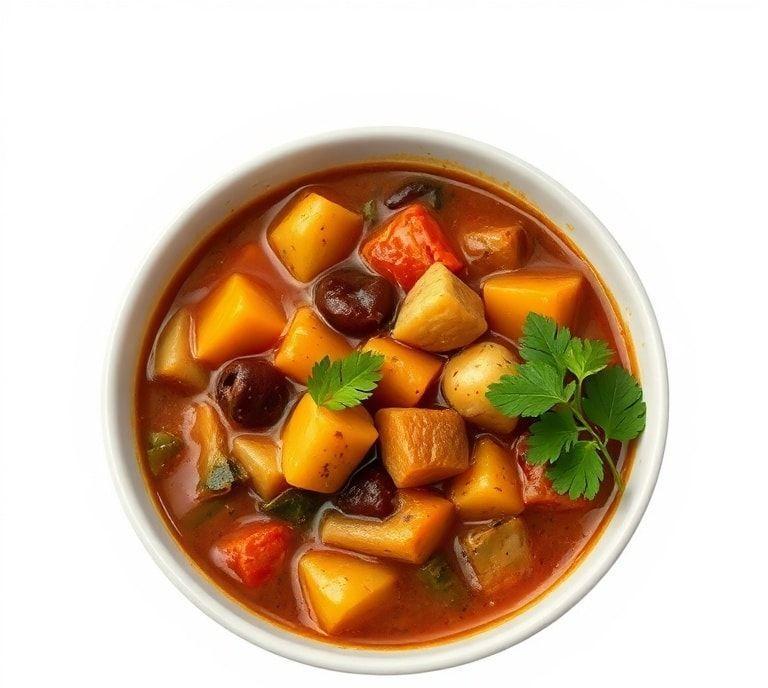
New Orleans is famous for its gumbo, and while the traditional versions often feature seafood, sausage, or poultry, this vegetarian gumbo packs all the flavor, soul, and spirit of the original without the animal products. This recipe is a celebration of vegetables, herbs, and a deep, rich roux-the key to a proper gumbo. If you’ve never made a roux before, don’t worry, it’s actually a pretty straightforward process. Just be patient. In the world of gumbo, a great roux is everything. The base of your gumbo will start off simple but will eventually become a robust, flavorful dish that feels like it’s been simmering for hours (even if it hasn’t).
Ingredients Needed
Here’s what you’ll need to get started:
- Olive oil (for making the roux)
- Flour (for the roux-trust me, this is where the magic happens)
- Vegetable broth (this adds richness and depth)
- Onion (because, let’s face it, onion is the heart of almost every great dish)
- Green bell pepper (a nod to the classic “holy trinity” of Cajun cooking-onion, celery, bell pepper)
- Celery (don’t skip this! It adds that distinct flavor that just screams gumbo)
- Garlic (garlic and gumbo are like best friends)
- Canned diced tomatoes (for acidity and a little sweetness)
- Okra (I know it’s not everyone’s favorite, but it’s a classic gumbo ingredient)
- Bay leaves (for that earthy, herby undertone)
- Thyme (fresh is best, but dried works in a pinch)
- Paprika (gives it a smoky depth)
- Cayenne pepper (for the right amount of heat-add more if you like it spicy)
- Frozen peas (for color and freshness)
- Corn kernels (optional, but they add a nice sweetness)
- Fresh parsley (for garnish)
Cooking Instructions
- Making the Roux: In a heavy pot, heat up the olive oil over medium heat. Slowly add the flour, whisking continuously. The key is to keep stirring the mixture until it reaches a deep brown color. Don’t rush this step-be patient, and don’t walk away. It’ll take about 15-20 minutes to get that beautiful dark, nutty roux. If it starts to smell burnt, start over (and trust me, you don’t want to skip this part).
- Add the Vegetables: Once your roux is perfect, add the chopped onion, bell pepper, and celery. This is the Cajun ’holy trinity’ in full effect. Stir for a few minutes until the vegetables soften.
- Add Garlic and Spices: Stir in the garlic, paprika, thyme, cayenne, and bay leaves. Let it all cook together for about 2 minutes. The aroma will fill your kitchen, and you’ll know you’re on the right track.
- Simmer with Broth: Add the vegetable broth to the pot, stirring continuously. Bring the mixture to a simmer. Once it starts bubbling, add the diced tomatoes, okra, peas, and corn. Let everything simmer for about 30 minutes. During this time, the flavors will meld together, creating a deep, rich gumbo.
- Final Touches: Taste the gumbo and adjust the seasoning with salt and pepper. Remove the bay leaves. Garnish with freshly chopped parsley before serving.
Ingredient Science Spotlight
The key to any great gumbo is the roux. You’re essentially creating a thickened base by cooking flour in oil (or butter, depending on your recipe). The longer you cook the roux, the darker and richer it becomes. This isn’t just about color, though-cooking the roux deepens the flavor, creating that characteristic nutty, caramelized undertone that defines gumbo.
Okra, too, plays a starring role. While it can get a bad rap for its texture (it’s kind of slimy, after all), it’s the perfect thickener for gumbo. The natural mucilage (that’s the slimy stuff) helps to thicken the broth, giving it that stew-like consistency. Don’t be afraid to embrace it!
And the vegetable broth? It’s essential in making the dish flavorful and rich, without feeling too heavy. The combination of the savory spices and this base will infuse your gumbo with deep flavors that you won’t be able to stop tasting.
Expert Tips
- Be patient with the roux. If you rush it, you’ll miss out on that deep, nutty flavor. Don’t walk away from it-keep stirring!
- Don’t overdo the heat. The cayenne and paprika bring the heat, but you can always add more later if you like it spicier. Start with a little and work your way up.
- Okra doesn’t have to be a problem. If you’ve had bad experiences with slimy okra before, try adding it later in the cooking process, or even fry it a little before adding it to the gumbo. That way, you control the texture.
- Make it a day ahead. Like most stews and soups, gumbo tastes even better the next day. The flavors continue to develop, so if you have time, let it sit in the fridge overnight.
Recipe Variations
- Add Beans: If you want a heartier dish, throw in some kidney beans or black-eyed peas. They’ll soak up all that beautiful gumbo flavor.
- Use Different Veggies: Don’t be afraid to experiment with different vegetables. Zucchini, mushrooms, or even sweet potatoes could work well in this recipe.
- Spicy Vegan Sausage: For those who miss the meat, there are some great plant-based sausage options available. Slice it up and add it into the mix to bring in that smoky, meaty flavor without the meat.
Final Words
Gumbo isn’t just food-it’s a story. Every bowl is a reflection of the place it comes from, the people who’ve made it, and the love that’s been poured into it. With this vegetarian version, you’ll get all the richness, depth, and warmth without sacrificing any of the flavor. Whether you’re making it for a cozy night in or to share with friends, this vegetarian gumbo is guaranteed to fill your home with the heart and soul of New Orleans. It’s a dish that’s meant to be shared, savored, and celebrated.
FAQs
What Ingredients Are Essential For An Authentic New Orleans Vegetarian Gumbo?
An authentic New Orleans vegetarian gumbo typically includes a mix of vegetables such as bell peppers, celery, onions, okra, and tomatoes. The base is usually a dark roux made from flour and oil or butter, which provides the characteristic nutty flavor. Additional ingredients include vegetable broth, garlic, and traditional Creole spices like thyme, paprika, cayenne pepper, and bay leaves. Optional protein sources include plant-based sausage or tofu, while filé powder or gumbo file can be used as a thickening agent.
How Can I Make A Vegetarian Gumbo Taste As Rich And Flavorful As The Traditional Version With Meat?
To achieve a deep, rich flavor without meat, start by making a dark roux, which provides a robust base. Use smoked or roasted vegetables, such as smoked paprika or roasted bell peppers, to add depth. Incorporate umami-rich ingredients like mushrooms, soy sauce, or tomato paste. Slow simmering the gumbo allows the flavors to meld, and adding a splash of hot sauce or a dash of Worcestershire-style vegetarian sauce can enhance complexity. Fresh herbs like parsley and thyme at the end brighten the flavor.
Can I Prepare Vegetarian Gumbo In Advance And How Should It Be Stored?
Yes, vegetarian gumbo can be prepared in advance. Allow it to cool to room temperature before storing. It can be refrigerated for up to 3-4 days in an airtight container. For longer storage, it can be frozen for up to 2-3 months. When reheating, simmer gently on the stove and add a little water or vegetable broth if it has thickened. The flavors often improve after resting overnight, making it a great make-ahead dish.