Food has a magical way of taking us places. A single dish can transport you to a bustling street corner in a faraway city or remind you of a quiet family dinner, full of laughter and warmth. For me, one of those dishes is vegetarian Hakka noodles. It’s a recipe that feels comforting, yet exciting, a fusion of flavors that speaks both to my craving for something homey and my love for adventurous, bold flavors.
I first encountered Hakka noodles during a visit to a friend’s house for dinner. She’s from a family that loves cooking, and her father-who’s originally from Kolkata-had a secret obsession with Chinese cuisine. As someone who’s always on the lookout for new dishes to try, I couldn’t resist the vibrant aromas and the colorful plate of noodles. What stood out to me most wasn’t just the taste, but the balance of textures: crispy veggies, tender noodles, and that perfect coating of soy sauce.
Over time, I’ve experimented with different tweaks and additions, but the core of the dish remains a beautiful harmony of simple ingredients. So, let’s talk about making this vegetarian Hakka noodles at home. It’s easier than you might think, and the results will not only satisfy your hunger but also leave you with a sense of pride.
Vegetarian Hakka Noodles Recipe
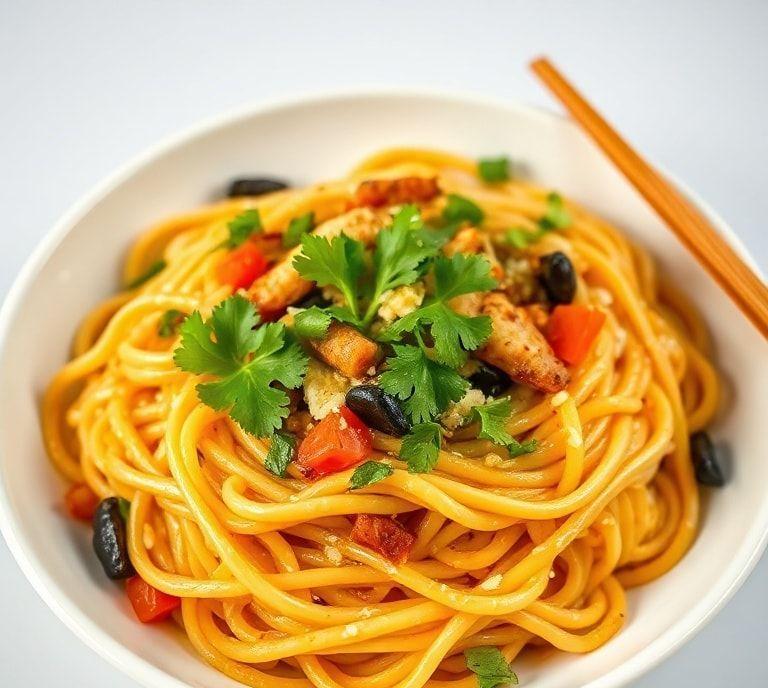
Here’s the thing about Hakka noodles: They don’t need to be complicated to be extraordinary. The dish itself is inspired by Chinese cuisine, particularly from the Hakka people, but the beauty of it lies in its adaptability. When I first started making this at home, I didn’t have all the fancy wok equipment or exact ingredients, and I still got it right. That’s the magic of this recipe. It’s flexible, forgiving, and perfect for any kitchen.
Let’s dive into the steps.
Ingredients Needed
For a simple and delicious vegetarian Hakka noodles, you’ll need:
Main Ingredients
- Noodles (Hakka or regular Chinese egg noodles work best, but you can even use spaghetti if that’s what’s available)
- Vegetables: I love using a combination of bell peppers, carrots, cabbage, and spring onions. They add a wonderful crunch and burst of color.
- Ginger and Garlic: These are the foundation of the flavor profile. They give the noodles a lovely aromatic kick without overpowering the dish.
- Soy Sauce (preferably low-sodium): It adds that signature umami flavor that makes this dish irresistible.
- Vinegar: A splash of white or rice vinegar brightens up the noodles and adds a little tang.
- Chili Sauce (optional): For those who like a bit of heat, a good chili sauce brings the perfect spicy balance.
- Sesame Oil: This ingredient isn’t just for flavor; it imparts a deep richness and fragrance that’s hard to replace.
Optional
- Tofu: If you want to add protein, cubes of crispy tofu are an excellent addition.
- Mushrooms: For an earthy depth, mushrooms like shiitake or button mushrooms work beautifully.
- Spring Onion Greens: For garnishing, they add a fresh, zesty touch.
Cooking Instructions
Cooking vegetarian Hakka noodles is a fun, quick process that takes no more than 20 minutes once you have all your ingredients prepped. Here’s the step-by-step:
-
Prep The Ingredients
Start by chopping the vegetables into thin strips. The goal here is to get everything as uniform as possible to ensure even cooking. Slice your bell peppers, carrots, and cabbage. Mince the garlic and ginger, and slice the spring onions. Keep the whites and greens separate.
-
Boil The Noodles
Bring a large pot of water to a boil, adding a pinch of salt. Drop the noodles in and cook them according to the package instructions. Once cooked, drain them and rinse them under cold water to stop the cooking process. Toss a little bit of oil into the noodles to keep them from sticking.
-
Stir-Fry The Veggies
Heat a wok or large frying pan over high heat. Add a tablespoon of sesame oil. Once the oil is hot, toss in the ginger and garlic. Stir-fry for 30 seconds until they’re fragrant. Then add the chopped vegetables (bell peppers, carrots, and cabbage) along with the whites of the spring onions. Stir-fry for 3-4 minutes until the vegetables are just tender but still crisp. If you’re using mushrooms or tofu, add them here and sauté for another minute.
-
Add The Noodles
Toss the cooked noodles into the wok. Stir them into the vegetables, making sure they get coated in the oil and flavors. Add the soy sauce, vinegar, and chili sauce (if using). Stir everything together for 2-3 minutes until everything is well mixed.
-
Final Touches
Toss in the spring onion greens, give it one last stir, and your Hakka noodles are ready to serve. The beauty of this dish is that it’s quick, vibrant, and packed with flavor. You’ll want to dig in immediately, but let it rest for a minute or two to cool down before serving.
Ingredient Science Spotlight
Ever wonder why soy sauce and vinegar pair so well together in dishes like these? The answer lies in the concept of umami-that fifth taste sensation that balances salty, sweet, and sour. Soy sauce, fermented from soybeans and wheat, is rich in glutamates, which heighten the savory flavors of the dish. Vinegar, on the other hand, adds a sharp tang that cuts through the richness of the soy sauce, creating a perfect balance. Together, they elevate the flavors of your noodles and make every bite addictive.
Sesame oil is another key ingredient in this recipe. When you heat sesame oil, its natural fats break down, releasing a deep, nutty fragrance. This creates a layer of flavor that’s subtle but essential for bringing all the ingredients together. It’s one of those things you don’t want to skip because, without it, the noodles would feel flat.
Expert Tips
- Wok vs. Pan: If you’ve got a wok, definitely use it. Woks are designed for high heat, which helps you get that smoky “wok hei” (breath of the wok) flavor. If you don’t have a wok, a large frying pan will work just fine. The key is to keep the heat high and stir constantly to avoid burning the ingredients.
- Avoid Overcooking Veggies: The texture of the vegetables is one of the most delightful parts of Hakka noodles. If you cook them too long, they lose their crunch and color. Aim for that sweet spot where they’re tender but still vibrant.
- Don’t Overcrowd the Pan: If you’re making a large batch, it’s better to stir-fry in batches. Overcrowding the pan causes the ingredients to steam rather than fry, and you’ll miss that beautiful crisp texture.
- Customize Your Heat: If you’re not into spicy food, skip the chili sauce, or use a small amount of sriracha for a milder kick. If you love heat, go ahead and amp it up with extra chili flakes or a hotter sauce.
- Use Fresh Noodles if Possible: Fresh Chinese egg noodles give the dish a silkier texture and are less likely to get mushy. But if you can’t find fresh noodles, dried ones work just as well.
Recipe Variations
Hakka noodles are incredibly versatile, so don’t hesitate to get creative. Here are a few variations to consider:
- Hakka Noodles with Tofu: Add cubes of crispy tofu for extra protein. This adds a lovely contrast between the crispy tofu and the tender noodles and veggies.
- Mushroom Hakka Noodles: Mushrooms add an earthy depth and a meaty texture that enhances the umami flavor of the dish. Shiitake mushrooms are particularly good here.
- Spicy Hakka Noodles: If you want more heat, add a tablespoon of chili paste, extra chili flakes, or even some chopped fresh green chilies to make the dish fiery.
- Hakka Noodles with Cashews: Toasted cashews can be tossed in for crunch and a buttery flavor, taking your noodles to a new level.
Final Words
Vegetarian Hakka noodles are proof that simple ingredients can come together to create something memorable. Whether you’re looking for a quick weekday dinner or something to impress guests, this dish has the flexibility to fit any occasion. The mix of textures, from the crunch of fresh vegetables to the silky noodles, is satisfying and always hits the spot.
The beauty of this recipe is that it’s adaptable-feel free to swap in whatever vegetables or proteins you prefer. I’ve made this dish on busy nights when I’ve had limited ingredients, and it’s still tasted amazing. That’s the magic of Hakka noodles: they’re always good, no matter how you make them.
FAQs
What Are The Key Ingredients Required For Making Vegetarian Hakka Noodles?
The key ingredients for vegetarian Hakka noodles include noodles (preferably eggless or whole wheat), assorted vegetables (like cabbage, carrots, bell peppers, onions, and spring onions), soy sauce, vinegar, chili sauce, garlic, ginger, and a blend of spices like pepper and salt. Some recipes also incorporate tofu for added protein.
Can I Make Vegetarian Hakka Noodles Without Soy Sauce?
Yes, you can make vegetarian Hakka noodles without soy sauce by using alternatives such as tamari sauce (a gluten-free soy sauce), coconut aminos, or even a homemade blend of water, miso paste, and a touch of salt to mimic the umami flavor. You can also use other sauces like hoisin or teriyaki for a different flavor profile.
How Do I Prevent The Noodles From Becoming Soggy When Making Vegetarian Hakka Noodles?
To prevent the noodles from becoming soggy, it is important to cook them al dente (slightly firm), rinse them thoroughly under cold water after boiling to stop the cooking process, and toss them with a little oil to prevent sticking. When stir-frying, make sure the vegetables are cooked on high heat to retain their crispness, and add the noodles at the end to avoid overcooking them.