There’s something truly special about dishes that bring you back to your roots. The kind of food that doesn’t just fill your stomach but wraps you in warmth, evokes memories, and offers comfort on a level that’s hard to put into words. For me, one such dish is vegetarian haluski. It’s the kind of meal you stumble upon at a family gathering, a potluck, or even just on a quiet afternoon when you’re craving something simple but deeply satisfying. Haluski, in its many forms, holds a unique place in my heart.
Originally from Eastern European kitchens, particularly Polish and Slovakian, haluski is a dish made up of cabbage, noodles, and a lot of butter. It’s one of those humble yet delicious recipes that’s existed for generations, loved for its affordability and incredible flavor. As time has passed, I’ve found ways to tweak the recipe, making it a bit more my own and more in line with a vegetarian lifestyle. Whether you’re a long-time vegetarian or simply looking for a meal that’s light yet hearty, this recipe is perfect for any day of the week.
Vegetarian Haluski Recipe
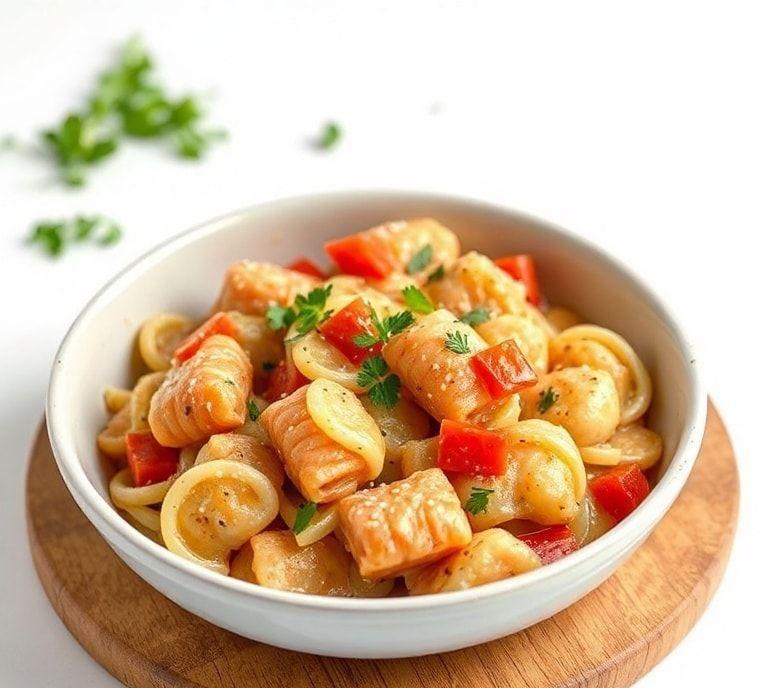
Now, this version of haluski skips the bacon or sausage often used in traditional recipes and instead relies on the rich, comforting flavors of cabbage, onions, and garlic, all sautéed in a generous amount of butter. It’s a simple yet deeply flavorful dish that’s easy to prepare, requiring only a handful of ingredients and a little bit of time. There’s something beautiful about how such basic ingredients-cabbage and noodles-come together to create a meal that feels so much more than the sum of its parts.
Ingredients Needed
- 2 tablespoons of unsalted butter: This is the key to giving the dish that creamy richness.
- 1 medium onion, finely chopped: Sweet, slightly caramelized onions bring depth to the dish.
- 1/2 head of cabbage, shredded: This is the heart of haluski. Cabbage is the base, and it adds that wonderful crunch and earthy sweetness when cooked down.
- 2 cloves of garlic, minced: Garlic is the unsung hero here, making the dish fragrant and savory.
- 8 ounces of egg noodles: You can use other noodles if you prefer, but egg noodles have a soft, comforting texture that pairs beautifully with the cabbage.
- Salt and black pepper: For seasoning, you can adjust this to your taste.
- A pinch of caraway seeds (optional, but recommended): Caraway adds a subtle, earthy flavor that complements cabbage and onions wonderfully.
Cooking Instructions
- Boil the noodles: Start by bringing a large pot of salted water to a boil. Once boiling, drop in the egg noodles and cook according to the package instructions until al dente. Once done, drain the noodles, but save a cup of the pasta water for later-this will help add a silky texture to the sauce later on.
- Sauté the onions and garlic: While the noodles are cooking, grab a large skillet or sauté pan. Melt the butter over medium heat. Once the butter is bubbling, add the chopped onions. Sauté them for about 5-7 minutes, stirring occasionally, until they become soft and golden. Then, toss in the minced garlic and cook for another 1-2 minutes until fragrant.
- Cook the cabbage: Add the shredded cabbage to the pan. Stir it around in the butter, onions, and garlic for about 10-12 minutes. You want the cabbage to soften and slightly caramelize, turning golden-brown in places. Stir occasionally to make sure it cooks evenly.
- Combine the noodles and cabbage: Add the cooked noodles to the pan with the cabbage mixture. Gently toss everything together, making sure the noodles get well coated with the buttery cabbage mixture. If the mixture seems too dry, add a little of the saved pasta water to loosen it up.
- Season and serve: Season the dish with salt, pepper, and if you’re using caraway seeds, add those in now. Give everything one last toss to combine, and you’re done! Serve warm and enjoy this comforting, soul-satisfying meal.
Ingredient Science Spotlight
Let’s dive into some of the science behind the ingredients in this dish and why they work so well together.
- Cabbage: Cabbage is part of the cruciferous vegetable family, which includes broccoli, kale, and cauliflower. When cooked, cabbage’s natural sugars caramelize, creating a deep, rich flavor that balances the dish’s savory components. Plus, it’s loaded with fiber, vitamins C and K, and antioxidants, making it a nutritious base for the meal.
- Butter: Butter brings richness and depth to the dish, and when used in moderation, it provides a silky mouthfeel that’s hard to replicate. The milk solids in butter contribute to a nutty flavor when browned, which helps elevate the sweetness of the cabbage and onions.
- Egg noodles: Egg noodles are ideal for this dish because their soft, slightly chewy texture perfectly complements the tender cabbage. The egg yolks in the noodles add richness to the overall dish, absorbing the flavors of the butter and garlic.
- Caraway seeds: While not a mandatory ingredient, caraway seeds add a unique and slightly sweet, peppery note that pairs wonderfully with cabbage and onions. The seeds contain compounds that help digestion, so it’s like a little bonus for your gut!
Expert Tips
- Get the cabbage nice and caramelized: The secret to great haluski lies in the cabbage. Don’t rush this step. Let the cabbage cook until it turns a golden brown and releases its natural sweetness. This takes time, but it’s well worth the wait.
- Use high-quality butter: Since butter is one of the main components of this dish, it’s worth splurging on a good-quality unsalted variety. The flavor difference is noticeable, and it makes the whole dish taste more luxurious.
- Reserve pasta water: If you find that the dish needs a little more moisture, don’t just add more butter or oil. Instead, use some of the pasta water you saved earlier. It’s starchy and will help bring the dish together while still allowing the flavors to shine.
- Customize the flavor: If you want to kick things up a notch, consider adding a splash of white wine or apple cider vinegar to the cabbage while it cooks. This will add a nice tangy contrast to the sweetness of the cabbage and onions.
Recipe Variations
While the classic vegetarian haluski is delicious on its own, there’s plenty of room for variation. Here are some fun twists you can try:
- Add mushrooms: Sauté some mushrooms with the onions and garlic for an earthy, meaty texture. This adds more umami to the dish and makes it even heartier.
- Use a different noodle: While egg noodles are the classic choice, you could substitute them with other types of pasta, such as wide pappardelle or even spiralized zucchini for a gluten-free version.
- Spicy kick: For a little heat, sprinkle in some red pepper flakes or sauté some chopped jalapeños with the onions and garlic.
- Herbaceous twist: Fresh thyme, rosemary, or parsley can be added at the end for a fresh pop of flavor.
Final Words
The beauty of this dish lies in its simplicity. It’s not about complicated ingredients or intricate steps-haluski is all about letting the natural flavors shine through. It’s the kind of recipe that you can make on a whim with ingredients you probably already have on hand, but it’s also one that will leave you satisfied and comforted long after the last bite.
FAQs
What Is Vegetarian Haluski?
Vegetarian haluski is a plant-based version of the traditional Eastern European dish, haluski. It typically consists of sautéed cabbage, onions, and pasta (or dumplings) without meat. The dish is seasoned with salt, pepper, and other spices, providing a comforting and hearty meal suitable for vegetarians.
Can I Use A Different Type Of Pasta For Vegetarian Haluski?
Yes, you can substitute traditional egg noodles with other types of pasta for a vegetarian haluski. Common alternatives include gluten-free pasta, farfalle, penne, or even spiralized zucchini for a low-carb option. The key is to use a pasta that complements the sautéed cabbage and onions.
Is Vegetarian Haluski A Good Meal For Meal Prep?
Vegetarian haluski is an excellent choice for meal prep, as it stores well in the refrigerator for up to 3-4 days. The dish reheats easily in the microwave or on the stovetop, and the flavors tend to deepen over time. Just be sure to store the pasta and cabbage mixture in an airtight container to maintain its freshness.