There’s something magical about the fusion of different cuisines, especially when it combines the comfort of pizza with the bold, vibrant flavors of Indian food. The idea of creating a Vegetarian Indian Pizza came to me one evening while experimenting in my kitchen. I was craving something familiar-pizza-but with a twist. I had just made a batch of curry and naan for dinner the night before, and the thought struck me: "What if I could put all these rich, aromatic flavors on a pizza?" Thus began my journey into crafting this unique recipe.
The beauty of this dish lies in the seamless blending of textures and tastes. The chewy, crisp crust supports a medley of tangy, spicy, and creamy toppings, while the spices create a flavor explosion in every bite. It’s a recipe that’s both familiar and exciting, combining the best of both worlds. Whether you’re an Indian food enthusiast or a pizza lover, this recipe is bound to satisfy those cravings and impress anyone who takes a bite.
Vegetarian Indian Pizza Recipe
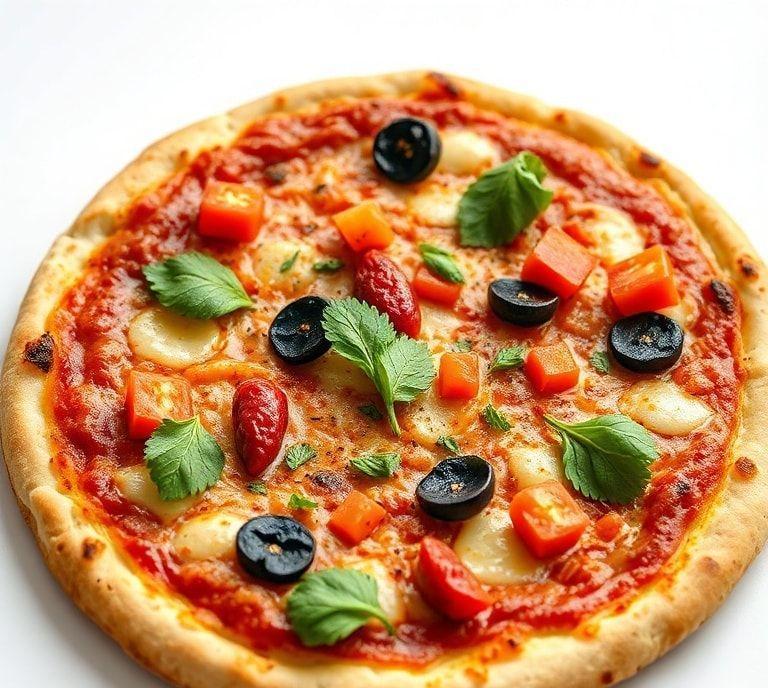
The Vegetarian Indian Pizza is a canvas for creativity, offering endless possibilities for toppings. But, to start with, I’ll share the recipe I fell in love with. This pizza takes inspiration from traditional Indian dishes like paneer tikka, chana masala, and vegetable curry. It’s perfect for those who enjoy hearty, vegetarian dishes with a burst of flavor.
Ingredients Needed
For the crust, I use a basic pizza dough, but you can easily swap it for gluten-free or whole wheat versions depending on your dietary needs. The base sauce is a combination of a smooth tomato sauce with a hint of yogurt and Indian spices. The toppings are where the fun happens. Here’s what you’ll need:
- Pizza Dough (store-bought or homemade)
- Olive Oil – for brushing the crust, adding richness.
- Tomato Sauce – a classic base, but we’ll jazz it up with Indian spices.
- Plain Yogurt – for creaminess and a touch of tang, mixing it with the sauce.
- Garlic – minced, for depth of flavor.
- Paneer – Indian cottage cheese that gives you that chewy, satisfying bite.
- Bell Peppers – colorful and crunchy, they add brightness.
- Onions – red onions work best here, offering a little sweetness and bite.
- Spinach or Kale – a great way to add some green.
- Chickpeas – a hearty, protein-packed topping.
- Cilantro – fresh, fragrant, and for garnish.
-
Spices
- Cumin – earthy, warm.
- Coriander – citrusy and slightly sweet.
- Garam Masala – the magical spice blend that ties everything together.
- Turmeric – for that golden glow and its warm, slightly bitter flavor.
- Chili Powder – for some heat, depending on your tolerance.
- Black Pepper – to add a bit of sharpness.
- Mozzarella Cheese – because, well, it’s pizza, and you need cheese!
Cooking Instructions
Preheat The Oven
Start by preheating your oven to 475°F (245°C), ensuring it’s nice and hot by the time your pizza is ready to bake. If you have a pizza stone, that’s ideal. If not, a regular baking sheet will do just fine.
Prepare The Dough
Roll out your pizza dough on a floured surface. The thickness is up to you, but I prefer a thin crust that gets nice and crispy around the edges. Once rolled out, transfer it to your baking sheet or pizza stone.
Make The Sauce
In a bowl, mix the tomato sauce with a few tablespoons of plain yogurt. Add in the garlic, cumin, coriander, garam masala, turmeric, chili powder, and black pepper. Stir until everything is well combined, and adjust the seasoning to your liking. This sauce is the magic that ties all the flavors together, so don’t rush it!
Assemble The Pizza
Brush the edges of the pizza dough with olive oil for a golden, crispy crust. Spread a thin layer of the spiced tomato-yogurt sauce over the pizza base, leaving a border for the crust. Then, layer on the toppings-paneer cubes, bell peppers, onions, spinach, chickpeas, and a little more cheese (if you’re a fan of cheesy pizza, this is your moment).
Bake
Place your pizza in the oven and bake for 10-12 minutes, or until the crust is golden brown and the cheese is bubbling and slightly browned. Keep an eye on it-every oven is different!
Garnish
Once out of the oven, sprinkle fresh cilantro on top for a burst of flavor and color. You can even drizzle a little extra yogurt or chutney on top if you’re feeling fancy.
Ingredient Science Spotlight
Now, let’s dive into the science behind a few key ingredients that make this pizza extraordinary.
Paneer: This Indian cheese is made from curdled milk and has a mild, neutral flavor. It’s high in protein and calcium, which makes it a fantastic meat substitute in vegetarian dishes. Paneer holds its shape when cooked, unlike other cheeses that melt, making it perfect for this pizza.
Garam Masala: A spice blend that’s typically made up of cumin, coriander, cinnamon, cardamom, and cloves, garam masala is essential in giving the pizza that complex depth of flavor. These spices contain antioxidants and anti-inflammatory properties, giving this dish not just flavor but some health benefits as well.
Chickpeas: Chickpeas are a powerhouse ingredient in vegetarian cooking. Packed with protein and fiber, they add a hearty texture to the pizza and help to balance out the richness of the cheese and yogurt sauce.
Yogurt: Yogurt adds that creamy, tangy kick. It helps mellow out the spices and balances the richness of the cheese. It’s also a probiotic food, promoting good gut health.
Expert Tips
- Don’t skimp on the spices: The spices in this recipe are the stars. If you’re using pre-ground spices, make sure they’re fresh! Spices lose their potency over time, so grinding them just before use can elevate the flavor of your dish significantly.
- Paneer alternatives: If you’re not a fan of paneer, you can substitute it with tofu or even roasted vegetables like cauliflower or sweet potato for a unique twist.
- Homemade crust: If you’re up for it, making your own pizza dough from scratch can add another layer of personalization. It doesn’t take too long, and the taste is unbeatable.
- Make ahead: The sauce can be made a day in advance and stored in the fridge. This can save you some time when you’re ready to assemble the pizza. Also, pre-chop the veggies and paneer to keep things efficient.
Recipe Variations
- Spicy Tofu Pizza: Swap out the paneer for marinated, baked tofu for a delicious vegan twist. Marinate the tofu with soy sauce, turmeric, cumin, and chili powder before baking to infuse it with flavor.
- Mushroom Masala Pizza: For a rich, earthy flavor, sauté mushrooms with garam masala and other spices. Top the pizza with the spiced mushrooms along with your usual toppings.
- Sweet Potato & Chickpea Pizza: Roasted sweet potatoes add a natural sweetness that pairs beautifully with the chickpeas and spices. For extra flavor, you could drizzle some date or tamarind chutney over the top.
- Spinach and Ricotta Indian Pizza: If you prefer a creamier, milder base, swap out the yogurt for ricotta cheese. Combine it with a generous layer of sautéed spinach to create a lush, creamy pizza.
Final Words
This Vegetarian Indian Pizza is the perfect example of how you can take elements from different culinary traditions and make something entirely new and exciting. The combination of rich Indian spices and the comforting familiarity of pizza is a reminder that food is all about exploration and creativity. Whether you’re making this for a weeknight dinner or serving it at a casual gathering, it’s sure to be a hit.
FAQs
What Are The Key Ingredients For A Vegetarian Indian Pizza?
A vegetarian Indian pizza typically includes a blend of traditional pizza toppings along with Indian-inspired ingredients. Common toppings include a base of tomato sauce or curried tomato sauce, mozzarella cheese, bell peppers, onions, tomatoes, and mushrooms. Indian-specific toppings often feature paneer (Indian cottage cheese), corn, spinach, and spiced vegetables like cauliflower, peas, or potatoes. Additionally, Indian herbs and spices such as garam masala, cumin, coriander, and chili powder are used to infuse the pizza with a distinct flavor.
How Do You Make The Dough For A Vegetarian Indian Pizza?
The dough for a vegetarian Indian pizza is usually similar to traditional pizza dough, made from flour, yeast, water, sugar, and salt. However, to give it an Indian touch, you can add a pinch of ajwain (carom seeds), cumin seeds, or even a little yogurt to the dough. This imparts a subtle Indian flavor. After preparing the dough, allow it to rise for about 1 to 1.5 hours before rolling it out into the desired shape.
Can I Make A Vegetarian Indian Pizza Without A Traditional Pizza Oven?
Yes, you can make a vegetarian Indian pizza without a traditional pizza oven. If you don’t have a pizza oven, you can use a regular oven, a stovetop, or even a grill. For oven baking, preheat your oven to around 450°F (230°C), and bake the pizza on a preheated pizza stone or baking sheet for 12-15 minutes, or until the crust is golden and the cheese is bubbly. Alternatively, you can cook the pizza on a stovetop using a non-stick pan with a lid to create a ’pizza oven’ effect, or grill the pizza on a grill with indirect heat for a crispy crust.