Food has a magical way of bringing people together, doesn’t it? Growing up, my kitchen was always the heart of our home, filled with the warmth of bubbling pots and the hum of family chatter. One of the most unforgettable meals we shared was a hearty Irish dish. The simplicity of its ingredients, the warmth it radiated, and the sense of togetherness it evoked made it something special. Today, I want to share with you my take on a Vegetarian Irish Recipe, a twist on a classic that’s nourishing, satisfying, and perfect for any season.
Irish food, much like its culture, is all about the basics: fresh, earthy ingredients combined in a way that honors both tradition and simplicity. But in this modern world, why not take that rich tradition and tweak it to suit a vegetarian lifestyle, without losing any of the comfort and heartiness that make Irish dishes so beloved? This recipe does just that. Whether you’re a seasoned veggie enthusiast or someone just exploring plant-based meals, I hope this recipe will offer you a warm and comforting taste of Ireland.
Vegetarian Irish Recipe
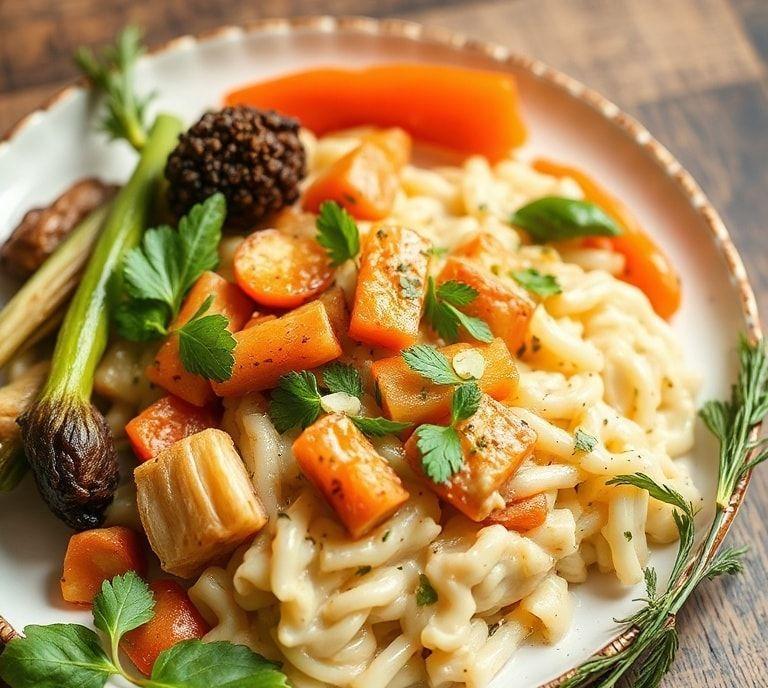
The dish I’ll be diving into today is a Vegetarian Irish Stew-one that substitutes the usual meat with hearty vegetables, while still keeping all the flavor and richness you’d expect. Picture tender chunks of potatoes, carrots, parsnips, and leeks, all simmered in a rich broth that’s deepened with herbs like thyme and rosemary. It’s the kind of dish that wraps around you like a cozy blanket on a cold day, filling your kitchen with an aroma that feels like home.
Ingredients Needed
You won’t need a long list of obscure ingredients for this stew. In fact, one of the reasons Irish cooking resonates with so many people is because it’s built on simple, accessible ingredients. Here’s what you’ll need to get started:
- 6 large potatoes (preferably waxy like Yukon Gold, for that creamy texture)
- 3 medium carrots, peeled and chopped into rounds
- 2 parsnips, peeled and chopped
- 2 leeks, cleaned and sliced (you can use onions if leeks are hard to find)
- 4 cloves garlic, minced
- 1 liter (4 cups) vegetable broth (make sure it’s a good one, homemade if possible, as this will shape the flavor)
- 2 tablespoons olive oil (for sautéing the vegetables)
- 2 sprigs fresh rosemary or 1 tablespoon dried rosemary
- 2 sprigs fresh thyme or 1 tablespoon dried thyme
- Salt and black pepper, to taste
- 1 cup frozen peas (optional, but adds a lovely pop of color and freshness)
- 1 bay leaf (for an added depth of flavor)
- 1 tablespoon apple cider vinegar (this will bring a nice balance to the richness of the broth)
- Fresh parsley, chopped, for garnish
Cooking Instructions
Now that you’ve gathered your ingredients, let’s get into the fun part-the cooking!
- Prepare the Vegetables: Start by prepping your veggies. Slice the potatoes (leave the skins on for a rustic feel), chop the carrots and parsnips into bite-sized pieces, and clean and slice the leeks.
- Sauté the Aromatics: Heat the olive oil in a large pot over medium heat. Add the garlic and leeks first, sautéing them for about 3 minutes until they’re softened and fragrant. It’s in this moment when the scent of garlic and leeks mingling in the oil becomes a preview of the comfort that’s coming.
- Add the Root Vegetables: Next, toss in the carrots, parsnips, and potatoes. Stir everything together so the vegetables are evenly coated in the oil.
- Simmer the Stew: Add the vegetable broth to the pot and throw in your rosemary, thyme, bay leaf, and a generous pinch of salt and pepper. Bring it to a boil, then reduce the heat to low. Let the stew simmer, uncovered, for about 30-40 minutes. The key is to let the flavors meld and for the vegetables to soften. You can test the potatoes with a fork to see if they’re done.
- Add the Peas and Vinegar: When the vegetables are tender, stir in the peas (if using) and the apple cider vinegar. The vinegar will cut through the richness of the stew, brightening up all the flavors.
- Serve and Garnish: Once everything is ready, discard the bay leaf, taste for seasoning, and adjust with a bit more salt or pepper if needed. Ladle the stew into bowls, garnish with a sprinkle of fresh parsley, and serve immediately.
Ingredient Science Spotlight
There’s a bit of food science behind why this dish works so well, and it starts with the potatoes. Potatoes, especially waxy varieties, are the backbone of many Irish dishes due to their ability to absorb flavors while maintaining a creamy texture. They release starch into the broth, which helps to thicken the stew naturally without the need for flour or cream.
The carrots and parsnips contribute their natural sweetness, which balances out the savory broth. Carrots are rich in beta-carotene, which is converted into vitamin A, supporting your immune system, while parsnips are high in fiber and antioxidants. And leeks-while often overshadowed by their onion relatives-are packed with folate, manganese, and vitamin K, adding not only health benefits but a lovely mild onion flavor.
The apple cider vinegar may seem like an unusual addition, but it serves to balance out the richness of the broth. The tangy acidity helps cut through the dense flavors of the root vegetables, giving the dish a harmonious depth.
Expert Tips
- For a Richer Broth: If you have the time, make your own vegetable stock. The flavor difference is remarkable. It’s not hard-just simmer some vegetables like onions, carrots, celery, and herbs in water for a couple of hours. The natural sugars in the vegetables caramelize and deepen, creating a stock that adds layers of flavor.
- Layering Flavors: Add salt in stages. When you first add the vegetables to the pot, season them lightly to help them release their juices and flavors. Then, adjust seasoning again at the end when everything’s fully cooked, to ensure it’s perfectly balanced.
- Texture Play: If you like a bit of texture in your stew, you can mash a portion of the potatoes directly in the pot once they’re soft. This thickens the broth while still leaving some chunky pieces of potato and carrot for contrast.
- Adding a Smoky Element: For a unique twist, try adding a small piece of smoked paprika or a dash of liquid smoke to the stew. This adds a layer of richness and complexity that takes the dish to another level.
Recipe Variations
This recipe is wonderfully flexible, and there are plenty of variations to keep things interesting:
- Add some greens: A handful of spinach or kale at the end of cooking gives the stew a lovely boost of nutrients and color.
- Switch up the root veggies: Try swapping out the parsnips for sweet potatoes or adding some rutabaga for a slightly different texture.
- For a heartier dish: Add some lentils or chickpeas to the stew for a protein-packed boost that will make it even more filling.
- Add a dairy element: If you’re not strictly vegan, a dollop of sour cream or a sprinkling of grated cheddar on top would give the dish an extra creamy texture and flavor.
Final Words
Cooking a dish like this brings with it a feeling of timelessness. It’s not just about the food; it’s about connecting with the past, to the Irish roots of home cooking, to the land that nourished these simple ingredients. It’s the kind of meal that encourages slow eating, where each spoonful is savored, where you can almost feel the rhythm of the seasons changing with every bite.
FAQs
What Are Some Traditional Vegetarian Irish Dishes?
Traditional Irish dishes can easily be adapted to vegetarian options. Some popular vegetarian Irish recipes include ’Irish Soda Bread’, which is made without animal products, ’Vegetarian Irish Stew’, a plant-based version of the classic stew using root vegetables and herbs, and ’Colcannon’, a dish made from mashed potatoes, cabbage, and scallions. These dishes showcase Ireland’s rich use of local vegetables and herbs.
Can I Make A Vegetarian Version Of Irish Shepherd’s Pie?
Yes, a vegetarian version of Irish shepherd’s pie can be made by substituting the traditional lamb or beef filling with vegetables such as lentils, mushrooms, carrots, peas, and onions. You can also use plant-based meat alternatives or tofu for a more protein-rich version. The mashed potato topping remains the same, creating a hearty, comforting meal.
What Are Some Key Ingredients In A Vegetarian Irish Stew?
A vegetarian Irish stew typically includes root vegetables like potatoes, carrots, parsnips, and onions. It may also contain leeks, celery, and turnips, along with herbs such as thyme and rosemary for flavor. Vegetable broth serves as the base liquid, while the dish is often seasoned with salt and pepper to taste. For a richer flavor, you can add plant-based protein like tofu or tempeh.