Italian cuisine has always been a symbol of comfort, warmth, and a bit of indulgence. Whether you’re curled up on a rainy afternoon or hosting friends for a cozy dinner, nothing brings people together like a hearty, flavorful meal. However, when you cut out meat from your diet, there’s often a lingering question: can vegetarian versions of these beloved dishes be just as satisfying?
I’ve been there myself-trying to recreate those familiar, savory meals without the meat, and it often feels like an impossible task. But let me tell you: the right recipes can not only match the depth and richness of traditional dishes but sometimes even elevate them. Take, for example, these vegetarian Italian meatballs. They’re bursting with flavor, full of satisfying texture, and make for a hearty dish whether you serve them in a rich tomato sauce or in a simple sandwich.
When I first set out to make vegetarian meatballs, I didn’t know how to approach it. I tried tofu, then chickpeas, but nothing quite hit the mark. Over time, though, I found the perfect balance. It’s a bit like a love letter to the original, but with a fresh spin that still honors the essence of Italian comfort food.
Vegetarian Italian Meatball Recipe
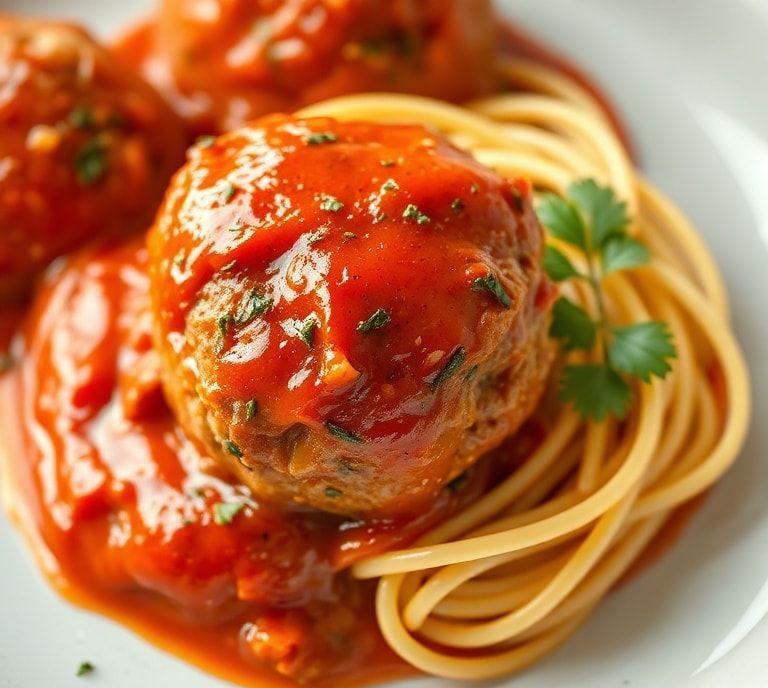
The beauty of these meatballs is that they’re so versatile. You can serve them in so many ways: on spaghetti, in a sub sandwich, or even on their own with a side of roasted vegetables. Whether you’re a long-time vegetarian or just trying to cut back on meat, these meatballs will definitely hit the spot.
Here’s my take on this classic dish:
Ingredients Needed
- 1 cup cooked quinoa: A hearty, protein-packed base for the meatballs that provides both texture and a bit of nuttiness.
- 1 cup finely grated zucchini: The moisture in zucchini helps bind the ingredients together and adds a lovely, mild flavor.
- 1/2 cup breadcrumbs: For structure and crunch-use gluten-free if you need the recipe to be completely gluten-free.
- 1/4 cup grated Parmesan cheese: Adds a salty richness, but you can skip this if you prefer a vegan version.
- 1 egg (or flax egg for vegan version): The binding agent that holds everything together.
- 2 garlic cloves, minced: Because, well, it’s Italian food-we need the garlic.
- 1 tablespoon dried oregano: For that essential Italian herb flavor.
- 1 tablespoon dried basil: Pairs beautifully with the oregano, creating that familiar Italian flavor profile.
- 1 tablespoon tomato paste: A bit of umami and tang, and it helps bring everything together.
- 1 tablespoon olive oil: For a bit of richness and moisture.
- Salt and pepper: To taste.
- Olive oil for frying: For cooking the meatballs until they’re crispy on the outside.
Cooking Instructions
- Preheat the oven to 375°F (190°C). Line a baking sheet with parchment paper, or you can use a non-stick baking mat to make cleanup a breeze.
- Prepare the quinoa if you haven’t done so already. Just cook it like you would rice (1 part quinoa to 2 parts water), and once it’s ready, fluff it up and let it cool down. If you’re using leftovers, even better.
- Grate the zucchini and then squeeze out the excess moisture using a clean kitchen towel. This step is crucial-if the zucchini is too wet, the meatballs will fall apart.
- In a large mixing bowl, combine the cooked quinoa, zucchini, breadcrumbs, grated Parmesan (or vegan cheese), egg (or flax egg), minced garlic, oregano, basil, and tomato paste. Stir everything together until well combined.
- Season with salt and pepper to taste, remembering that the Parmesan cheese already adds some saltiness, so go light on the salt if you’re using it.
- Use your hands to form the mixture into small meatballs, about 1 inch in diameter. If the mixture is a little too sticky, just wet your hands with a bit of water to make shaping easier.
- In a skillet, heat olive oil over medium heat. Once it’s hot, gently add the meatballs to the pan, cooking them in batches so they’re not overcrowded. Fry them for about 3-4 minutes on each side, or until they’re golden brown.
- Once they’re crispy, transfer the meatballs to the prepared baking sheet and bake for an additional 10-15 minutes to ensure they’re fully cooked through.
- Serve hot in your favorite tomato sauce or enjoy them just as they are with a side of veggies or a salad.
Ingredient Science Spotlight
Let’s talk about the science behind a few of the key ingredients in this recipe.
- Quinoa: It’s a complete protein, meaning it contains all nine essential amino acids. That’s a big deal in vegetarian cooking because you want to ensure your meals are packed with the nutrients that are often found in meat. Quinoa also has a great texture, adding a hearty, slightly chewy bite that mimics the feel of meatballs made with ground meat.
- Zucchini: This vegetable is mostly water (about 95%!), which makes it perfect for keeping the meatballs moist. It doesn’t overpower the flavor but blends well into the mixture, contributing to a tender texture.
- Breadcrumbs: They’re a classic binder in many meatball recipes, vegetarian or not. They help hold everything together, ensuring that your meatballs don’t fall apart during frying or baking. If you use gluten-free breadcrumbs, you can still achieve that same binding effect, plus a satisfying crunch.
Expert Tips
- Add extra flavor: If you want to take these meatballs to the next level, you can add finely chopped sun-dried tomatoes, kalamata olives, or even a handful of fresh basil to the mix. These small additions will create a burst of Mediterranean flavor in every bite.
- Don’t skip the zucchini squeeze: The excess water in the zucchini can be the difference between soggy meatballs and crispy ones. Be sure to squeeze out as much water as possible before mixing it into your ingredients.
- Make them ahead: These meatballs freeze really well. After forming the balls, you can freeze them on a baking sheet before transferring them into a freezer bag. When you’re ready to cook them, you can bake or fry them straight from the freezer-perfect for meal prepping!
- Baking for a lighter option: If you prefer to avoid frying altogether, you can skip the skillet and bake them in the oven at 375°F for 25 minutes, flipping halfway through. They’ll still come out crispy on the outside and tender on the inside.
Recipe Variations
- Gluten-Free: Use gluten-free breadcrumbs or even oat flour as a substitute. Quinoa already provides great structure, so you won’t miss the gluten.
- Vegan: Swap the egg for a flax egg (1 tablespoon of flaxseed meal + 3 tablespoons of water, mixed and left to thicken for 5 minutes). Use a vegan Parmesan or nutritional yeast for that cheesy flavor.
- Spicy: Add red pepper flakes or a diced fresh chili pepper to the mix if you want some heat in your meatballs. A little kick can make these even more interesting.
- Lentil Meatballs: If you want something more earthy, swap quinoa for cooked lentils. They’ll give the meatballs a denser texture and a richer flavor. You could even mix the two for added complexity.
Final Words
Making vegetarian meatballs is about more than just swapping out meat. It’s about creating a dish that stands on its own, full of flavor and comfort. These meatballs are a great base to start experimenting with different ingredients or flavors you love. The beauty of vegetarian cooking is that it encourages you to think outside the box, and sometimes, you end up with something even better than the original.
FAQs
What Are The Best Substitutes For Meat In Vegetarian Italian Meatballs?
The best substitutes for meat in vegetarian Italian meatballs include plant-based options such as lentils, chickpeas, mushrooms, tofu, and textured vegetable protein (TVP). These ingredients mimic the texture and flavor of traditional meatballs, with lentils and chickpeas providing a hearty base, while mushrooms and tofu offer moisture and a savory taste.
Can I Freeze Vegetarian Italian Meatballs?
Yes, vegetarian Italian meatballs can be frozen. To freeze, place the cooked meatballs on a baking sheet and freeze them individually before transferring them to a freezer-safe bag or container. They can be stored in the freezer for up to 3 months. To reheat, simply bake or heat them in a skillet until warmed through.
How Do I Prevent Vegetarian Italian Meatballs From Falling Apart During Cooking?
To prevent vegetarian Italian meatballs from falling apart, ensure the mixture is well-bound by using a binder like breadcrumbs or oats, along with a binding agent such as egg or a flaxseed mixture. Additionally, refrigerating the meatballs for at least 30 minutes before cooking helps firm them up, and cooking them on medium heat in a skillet or oven allows them to cook through without losing their shape.