Jambalaya, a beloved dish that hails from Louisiana, is a vibrant mix of flavors, textures, and rich history. But what happens when you take a classic and give it a twist, making it entirely plant-based? You get a Vegetarian Jambalaya that’s just as satisfying, full of soul, and bursting with layers of spices. It’s one of those recipes that instantly makes your kitchen feel like a celebration. The warm, comforting scent of herbs and spices fills the air, and you know you’re about to eat something deliciously nourishing.
I remember the first time I tasted jambalaya. It was a rainy afternoon, and I was visiting a small family-run restaurant tucked away in the heart of New Orleans. The kitchen was alive with sizzling sounds, and the air was thick with the smell of onions, garlic, and cayenne pepper. I had never tasted anything quite like it. The dish was rich and hearty, yet light enough to make me want more. Since then, I’ve tried countless variations, but this vegetarian version stands out. It’s a testament to how even the most traditional dishes can evolve without losing their essence.
This recipe has everything I love in a meal: warmth, depth, and just enough heat to keep things interesting. If you’re ready to dive into a vibrant, veggie-packed jambalaya, let’s get started.
Vegetarian Jambalaya Recipe
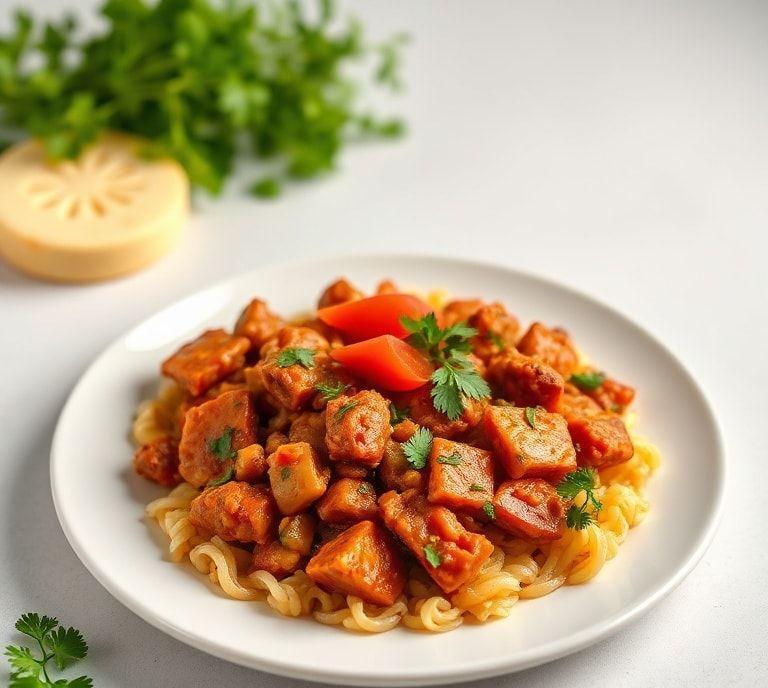
This recipe brings all the flavor of the traditional jambalaya but swaps out the meat for hearty vegetables and beans, making it not only vegetarian but also a perfect dish for those who want to indulge without the heaviness.
Ingredients Needed
To create the base of the dish, you’ll need a handful of fresh vegetables, some pantry staples, and a few key spices that make the magic happen. Here’s everything you’ll need:
- Olive oil (or vegetable oil) – for sautéing the vegetables
- Onion – 1 medium, finely chopped
- Bell pepper – 1, diced (any color, though I like using red for sweetness)
- Celery – 2 stalks, finely chopped
- Garlic – 3 cloves, minced
- Canned tomatoes – 1 can (14.5 oz), crushed or diced
- Tomato paste – 1 tablespoon
- Vegetable broth – 4 cups (low-sodium preferred)
- Long-grain white rice – 1 cup (this absorbs the liquid and adds texture)
- Kidney beans or black beans – 1 can (drained and rinsed)
- Frozen corn kernels – 1 cup
- Smoked paprika – 1 teaspoon (this adds the classic smoky depth)
- Cayenne pepper – 1/2 teaspoon (adjust based on heat preference)
- Thyme – 1 teaspoon (fresh or dried)
- Oregano – 1 teaspoon (dried)
- Bay leaves – 2
- Salt and pepper – to taste
- Chopped fresh parsley – for garnish
Optional:
- Lemon wedges – to squeeze over the top for a fresh, zesty finish.
Cooking Instructions
- Start with a hot pot – Heat a large, heavy-bottomed pot over medium heat. Add the olive oil and let it warm up. Once it’s hot, toss in the onion, bell pepper, and celery. Cook, stirring often, for about 5-7 minutes until the vegetables soften and become fragrant. This is where your jambalaya starts to come alive!
- Garlic and spices – Add the minced garlic to the mix and stir for 1-2 minutes until it gets fragrant. Now, sprinkle in the smoked paprika, cayenne pepper, thyme, oregano, and a pinch of salt and pepper. Let everything cook together for another minute to release the spices’ full flavor.
- Tomatoes and broth – Stir in the crushed tomatoes, tomato paste, and vegetable broth. Bring everything to a simmer, then toss in the bay leaves. Let it simmer gently for about 10 minutes, stirring occasionally.
- Rice goes in – Add the rice to the pot and give everything a good stir to combine. Reduce the heat to low, cover the pot, and let it cook for about 20 minutes. Keep an eye on it, and check every 10 minutes to make sure the rice isn’t burning at the bottom.
- Beans and corn – Once the rice is tender and has absorbed most of the liquid, add the beans and frozen corn. Stir them in, cover the pot again, and cook for an additional 5 minutes until everything is heated through.
- Finishing touches – Taste for seasoning and adjust with salt, pepper, or a dash more cayenne if you like extra heat. Remove the bay leaves, sprinkle with fresh parsley, and serve hot with lemon wedges on the side.
Ingredient Science Spotlight
One of the fascinating aspects of jambalaya, especially this vegetarian version, is how certain ingredients work together to build depth of flavor. Let’s look at a few of them.
- Smoked Paprika: This spice is a game-changer. Smoked paprika comes from dried, smoked peppers, giving it a subtle smokiness that adds a rich, savory depth to dishes. While it’s often used in meat-based jambalayas to mimic the flavor of smoked sausage or pork, it works just as well in a vegetarian version, giving the dish an earthy warmth without adding any animal products.
- Rice: The type of rice you choose matters. Long-grain white rice is the classic choice because it stays separate and fluffy while absorbing the bold flavors of the broth. The rice also acts like a sponge, soaking up the spices and giving each bite a balanced flavor.
- Beans: Beans are not only a great source of protein and fiber but also act as a perfect complement to the rice, providing creaminess and richness. Kidney beans or black beans are both excellent choices because they can handle the spice without being overwhelmed.
Expert Tips
- To add more smokiness: Try adding a small amount of smoked salt to the dish when seasoning. It’ll give the entire dish a deeper, woodsy undertone, making it taste like it’s been slow-cooked over an open fire.
- Make it ahead: Jambalaya tastes even better the next day! The flavors have time to meld together and develop further. You can make it ahead and store it in the fridge for up to 3 days. Just reheat it gently on the stove with a splash of water or broth.
- For extra texture: If you want to amp up the crunch factor, sprinkle some chopped roasted nuts (like almonds or cashews) on top before serving. It adds a surprising element and elevates the dish.
Recipe Variations
While this vegetarian version of jambalaya is comforting and filling on its own, there’s room to get creative. Here are some ways to tweak the recipe based on what you have or prefer:
- Add More Veggies: Throw in some diced zucchini, eggplant, or okra for additional texture and flavor. The classic Cajun trinity of onion, bell pepper, and celery can be complemented with other vegetables you love.
- For a Spicy Kick: If you want more heat, consider adding a sliced fresh jalapeño or a teaspoon of hot sauce during the cooking process.
- Make it Gluten-Free: This recipe is naturally gluten-free, but if you want to make it more hearty, you could add gluten-free grains like quinoa or brown rice.
- Protein Boost: For added protein, consider tossing in some tempeh or seitan towards the end of cooking. You could also top it with some sautéed tofu for an extra boost.
Final Words
I think what I love most about this Vegetarian Jambalaya is how it manages to be both comforting and fresh at the same time. It’s bold, with a perfect balance of heat, earthiness, and the natural sweetness of the vegetables. There’s something deeply satisfying about sitting down to a bowl of jambalaya that is both hearty and wholesome. Whether you’re cooking for a crowd or enjoying a cozy meal by yourself, this dish feels like home-no matter where you are.
FAQs
What Ingredients Are Essential For Making A Vegetarian Jambalaya?
A traditional vegetarian jambalaya includes bell peppers, onions, celery, tomatoes, garlic, and rice. It typically features a variety of vegetables such as zucchini, okra, or mushrooms, alongside spices like paprika, cayenne, thyme, and bay leaves. Vegetable broth is commonly used as the base, and kidney beans, chickpeas, or other legumes can be added for extra protein.
Can I Substitute The Rice In A Vegetarian Jambalaya Recipe?
Yes, you can substitute the rice in a vegetarian jambalaya recipe with several alternatives. Quinoa, cauliflower rice, or even farro can work as substitutes. Keep in mind that these alternatives may change the texture and cooking times, so adjustments might be needed. For a lower-carb option, cauliflower rice is a great choice.
How Can I Make Vegetarian Jambalaya Spicier?
To make vegetarian jambalaya spicier, you can increase the amount of cayenne pepper, add hot sauce, or include diced jalapeños or other spicy peppers. Another way to add heat is by incorporating smoked paprika, which not only adds spiciness but also deepens the flavor. Taste as you go to ensure the spice level suits your preference.