There’s something incredibly nostalgic about making jelly-whether it’s from scratch or using a packet, it always seems to evoke fond memories. But what if you could make jelly that aligns with your values, like being vegetarian-friendly? In a world where dietary choices are becoming increasingly diverse, I’ve found that making vegetarian jelly can be just as easy, fun, and surprisingly versatile as the traditional kind. And honestly, the results are just as delightful. I’ve had the chance to experiment with different ways to make it, and it’s become one of those go-to recipes that’s perfect for gatherings, a sweet treat after a meal, or even as a fun project to do with friends or family.
Let’s dive in and break down how you can make this simple, gelatin-free jelly that anyone can enjoy, no matter their dietary preferences. You’ll also learn about some of the science behind the ingredients, and why they work so well together in this delicious treat.
Vegetarian Jelly Recipe
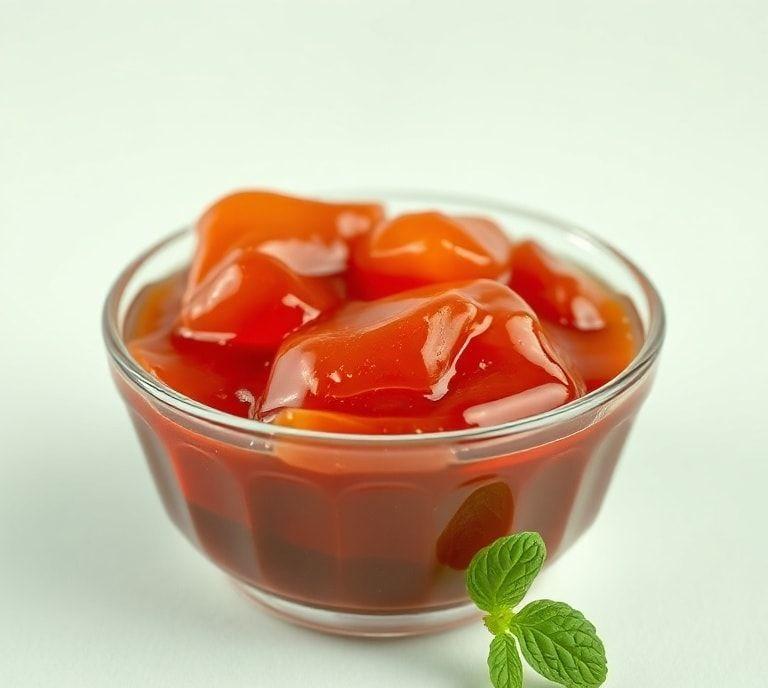
Making vegetarian jelly isn’t a far-off dream. It’s incredibly straightforward once you swap out the usual gelatin (which is made from animal by-products) for agar-agar, a plant-based substitute. Agar-agar comes from seaweed and works beautifully to create that firm, wobbly texture we all know and love in jelly.
So, let’s get into how to make it:
Ingredients Needed
To make the best vegetarian jelly, you’ll need the following:
- Fruit Juice: 500ml – The base of your jelly. You can go with any juice you like-orange, apple, or even a mixed berry blend. Make sure to choose 100% fruit juice, no added sugar or preservatives, for a cleaner taste.
- Agar-Agar Powder: 1-2 teaspoons – This is the magical ingredient that will give your jelly its structure. Agar is a powerful gelling agent, so a little goes a long way.
- Sweetener: 2 tablespoons of sugar (or to taste) – You can also substitute with honey, maple syrup, or a non-calorie sweetener, depending on what you prefer.
- Lemon Juice: 1 tablespoon – This helps balance out the sweetness and adds a subtle tang to the jelly, enhancing the overall flavor.
- Optional Fruits or Garnishes: Fresh fruit (like berries or kiwi) or even edible flowers if you want to make your jelly look as good as it tastes.
Cooking Instructions
- Prepare the Liquid: In a saucepan, pour your fruit juice. If you’re using store-bought juice, make sure it’s not overly sweetened, or adjust your sugar accordingly. Bring the juice to a gentle boil over medium heat, stirring occasionally. The reason you heat it is to help dissolve the agar and any sugar you add.
- Dissolve the Agar: Once your juice is hot but not boiling too fiercely, add the agar-agar powder. Stir constantly for about 2-3 minutes to ensure the powder dissolves completely. If you don’t stir enough, you might end up with some clumps, and that’s not the smooth texture you want.
- Sweeten and Flavor: Add your sweetener of choice and the lemon juice. Stir until the sugar is dissolved. Taste and adjust as necessary. You want a nice balance between tart and sweet, so feel free to tweak it according to your preference.
- Set the Jelly: Pour the mixture into your jelly molds or a shallow dish if you want to cut it into pieces later. Allow it to cool down to room temperature for a bit, then transfer it to the fridge for at least 2 hours to set. You’ll notice the texture firming up gradually.
- Serve: Once set, you can top it with fresh fruit or a dusting of coconut flakes if you want an extra pop of flavor or visual appeal. Then, cut it into cubes or serve it straight from the mold.
Ingredient Science Spotlight
Let’s get a little geeky for a moment. Agar-agar is fascinating stuff. Derived from red algae, it’s composed of a gelatinous substance that doesn’t just set at room temperature, but actually becomes firmer as it cools-unlike gelatin, which needs refrigeration to reach that perfect jiggle. What makes agar so special is that it’s a polysaccharide (a type of carbohydrate) that forms a gel when it interacts with liquid. When dissolved in hot water or juice, it forms a stable gel that can be used in anything from jellies to vegan gummy candies.
The great thing about agar is that it has a higher gelling strength than gelatin, meaning you need less of it to get the same effect. This makes it easier to work with, and you can control the firmness based on how much you add. Plus, it’s incredibly versatile-it holds its form even at higher temperatures than gelatin, which is why you see it in a lot of commercial desserts and vegan cooking.
Expert Tips
- Strain Your Juice: If you’re using fresh juice, strain it through a fine sieve to remove any pulp. This will give your jelly a smoother, more refined texture.
- Experiment with Layering: You can make a visually stunning jelly by layering different fruit juices. Just let each layer set before adding the next. It’s a little time-consuming but the payoff in terms of presentation is huge.
- Keep the Ratio in Check: Too much agar-agar will make the jelly too firm and rubbery, while too little will leave it soft and wobbly. Stick to the ratio of 1 teaspoon for every 500ml of juice for the perfect balance.
- Don’t Overcook: Once the agar is dissolved, don’t let the juice boil too much, or you risk breaking down the gelling properties. A gentle simmer is all you need.
- Chill, Not Freeze: Let the jelly set in the fridge, not the freezer. Freezing will ruin the texture, making it grainy and unpleasant.
Recipe Variations
- Flavored Jelly: Want something a little different? Try infusing your juice with herbs like mint, basil, or even lavender before you bring it to a boil. This subtle flavor profile will add an unexpected twist to your jelly.
- Mixed Fruit Jelly: Instead of just using one juice, try mixing two or three kinds. A combination of pineapple, mango, and orange juice, for instance, creates a tropical burst of flavor that’s perfect for summer.
- Layered Jellies: You can get creative with different flavors and colors by layering different juices. Each layer can be a different fruit flavor or color for a beautiful, eye-catching dessert.
- Coconut Jelly: For a creamy twist, use coconut milk instead of fruit juice. This will give you a soft, creamy texture that’s perfect on its own or paired with fresh fruit.
Final Words
Vegetarian jelly is one of those recipes that, once you get the hang of it, becomes endlessly customizable. The simplicity of the base-just fruit juice, sweetener, and agar-opens the door to all sorts of delicious variations. And the best part? It’s a dessert that’s friendly for everyone, no matter their dietary choices. Whether you’re serving it up at a family dinner, a vegan potluck, or just making a batch for yourself, there’s no wrong way to enjoy it.
FAQs
What Is The Difference Between Vegetarian Jelly And Regular Jelly?
Vegetarian jelly differs from traditional jelly in that it uses plant-based alternatives to gelatin, which is derived from animal collagen. Instead of gelatin, vegetarian jelly recipes typically use agar-agar, a substance made from seaweed, or pectin, which is found in fruit. These alternatives provide a similar texture and consistency without the use of animal products.
Can I Substitute Agar-agar For Gelatin In A Vegetarian Jelly Recipe?
Yes, agar-agar can be substituted for gelatin in vegetarian jelly recipes. Agar-agar is a powerful gelling agent and generally requires less quantity than gelatin. When using agar-agar, make sure to dissolve it in boiling water before adding it to the mixture. It sets at a higher temperature than gelatin, so the jelly should be refrigerated for at least 1-2 hours to achieve the desired firmness.
What Fruits Are Best For Making Vegetarian Jelly?
Fruits with high pectin content are ideal for making vegetarian jelly, as they help the jelly set properly. These include apples, quinces, and citrus fruits like lemons and oranges. However, be cautious with fruits like pineapple, kiwi, and papaya, which contain enzymes that can break down the gelling agents, preventing the jelly from setting properly. If you want to use these fruits, consider cooking them first to neutralize the enzymes.