If you’ve ever found yourself standing in the produce aisle, eyeing a bundle of fresh kale, wondering how to make it more than just a crunchy garnish or a forced health decision-then this recipe might be your answer. I’ve had a love-hate relationship with kale for years. Early on, it felt like a leafy green shoved into every health trend, making me question its true worth. But, like many good things in life, I eventually learned that kale, when cooked the right way, can be rich, hearty, and surprisingly delicious. This vegetarian kale recipe isn’t just a meal; it’s a celebration of that misunderstood green.
I’m not sure what clicked for me, but I can tell you it wasn’t some fitness guru’s TikTok. It was more like a quiet moment in my kitchen-experimenting, finding the right balance of flavors, and realizing just how satisfying a simple veggie dish could be. So, whether you’re a kale skeptic or a leafy green lover, I promise this dish will surprise you.
Vegetarian Kale Recipe
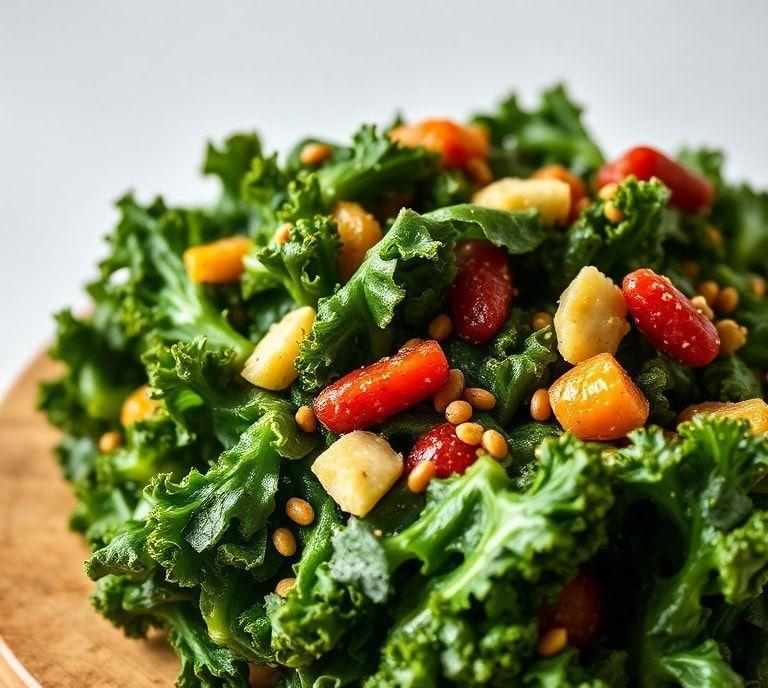
Let me set the scene: Imagine biting into a dish where the kale isn’t tough or bitter, but instead, it’s tender with a subtle earthy flavor, complemented by savory spices and a touch of tang. This isn’t your usual boiled-to-death kale; it’s perfectly cooked, letting its vibrant green color shine through. The key here is that perfect balance of texture and taste-because kale deserves to be treated like more than just a side salad. This dish can be the main event.
Ingredients Needed
The ingredients are simple and straightforward, yet each one plays an essential role in creating something that’s more than the sum of its parts:
- 1 bunch of fresh kale – Of course, kale is the star of the show. Choose a bunch with dark green, healthy-looking leaves. Avoid kale with yellowing or overly wilted leaves. Lacinato kale (also known as dinosaur kale) is especially tender and flavorful, but curly kale works just fine too.
- 2 tablespoons olive oil – Olive oil is the base for sautéing and will give the kale a beautiful richness.
- 3 cloves garlic, minced – Garlic, in all its fragrant glory, adds depth and complexity. It’s one of those ingredients that seems to elevate everything.
- 1/2 teaspoon red pepper flakes – A little heat is essential to balance out the kale’s natural bitterness. This adds a subtle kick, but you can always adjust to your liking.
- 1 tablespoon soy sauce – This adds an umami-rich depth to the dish, giving it a savory, slightly salty flavor.
- 1 tablespoon lemon juice – A little acidity goes a long way. It cuts through the richness and balances the dish.
- 1/4 cup toasted pine nuts or sunflower seeds – The nuts add a satisfying crunch and texture contrast against the soft kale. They also bring in a touch of natural sweetness.
- Salt and pepper to taste – Simple, but essential for seasoning.
Cooking Instructions
- Prep the Kale: First, wash the kale thoroughly. Even though you’ll be cooking it, you still want to get rid of any lingering dirt. Once it’s clean, remove the tough stems by holding the stem at the base and gently pulling the leaves away. Then, tear the kale into bite-sized pieces. If you’re using Lacinato kale, you might want to give it a quick chiffonade (a fine shred) for a more delicate texture.
- Toast the Nuts: Place a dry pan over medium heat, then add the pine nuts or sunflower seeds. Stir often until they’re lightly golden brown and fragrant, about 2-3 minutes. Set them aside for later-they’ll add that extra dimension to the dish.
- Sauté Garlic and Spices: In the same pan, add the olive oil and let it heat up for a minute. Then, add the minced garlic and red pepper flakes. Sauté until the garlic is fragrant but not burnt, about 1 minute. Keep an eye on it-garlic can go from golden to bitter in a second.
- Cook the Kale: Add the kale to the pan. It may seem like a lot at first, but don’t worry, it will shrink down as it cooks. Toss it around in the garlic-infused oil until it starts to soften, about 3-4 minutes. If you want it a bit more tender, cover the pan with a lid and let it steam for an additional 2 minutes.
- Season the Dish: Once the kale is soft and bright green, stir in the soy sauce and lemon juice. Taste, then add salt and pepper to your liking. The soy sauce will add a savory umami, and the lemon juice will brighten everything up.
- Finish and Serve: Plate the kale, then top with the toasted nuts. You can garnish with extra lemon wedges or even a sprinkle of Parmesan if you’re not strictly vegetarian. Serve hot and enjoy!
Ingredient Science Spotlight
Kale is a powerhouse of nutrients, and understanding its health benefits makes cooking with it even more rewarding. Packed with vitamins A, C, and K, it’s a nutrition-packed green that supports your immune system, promotes healthy skin, and helps with bone health. What’s more, kale is rich in antioxidants like quercetin and kaempferol, which help fight oxidative stress and inflammation in the body.
In terms of flavor, kale has a naturally bitter profile, which can sometimes be off-putting if it’s not prepared correctly. This bitterness is due to the high levels of glucosinolates, compounds that give cruciferous vegetables their characteristic taste. When cooked properly, though, kale’s bitterness softens, and it takes on a more mellow, earthy flavor. The trick is in the cooking-especially with the addition of acidity (like lemon juice) and salt to balance out the bitter notes.
Expert Tips
- Massage the Kale: If you want to get really fancy, try massaging the kale before cooking it. Simply drizzle a bit of olive oil and sprinkle some salt on the leaves, then use your hands to gently massage the leaves for a few minutes. This will break down some of the tough fibers and make it a lot more tender when cooked.
- Batch Cooking: Kale is great for meal prep. You can make a large batch of this recipe and store it in the fridge for up to 3-4 days. It keeps its flavor and texture surprisingly well, making it a perfect addition to lunches or quick dinners.
- Add Protein: If you’re craving a more filling meal, toss in some cooked quinoa or chickpeas. Both will absorb the savory garlic and soy sauce, making for a hearty, complete dish.
Recipe Variations
- Add Veggies: For more color and flavor, try adding sautéed mushrooms, bell peppers, or roasted sweet potatoes. These vegetables pair beautifully with kale and add a lovely natural sweetness.
- Spicy Version: Want to kick it up a notch? Try adding a chopped chili pepper or a few dashes of hot sauce instead of red pepper flakes. It’ll bring an exciting heat to the dish.
- Vegan Cheese: If you’re craving some cheesy goodness, sprinkle in a handful of nutritional yeast for a cheesy, vegan-friendly flavor. It pairs perfectly with the kale and gives the dish a rich depth.
- Noodle Bowl: Turn this dish into a noodle bowl by adding soba or rice noodles. The kale can serve as the base, with the noodles acting as the heart of the meal.
Final Words
This vegetarian kale recipe is more than just a side dish; it’s a flavorful experience. From the first bite to the last, the combination of tender greens, fragrant garlic, and crunchy nuts creates a harmony of textures and tastes that are just as satisfying as they are nourishing. Plus, with the versatility to customize based on what you have on hand, you can make it your own every time.
Kale might not be the most glamorous vegetable at first glance, but I’ve come to appreciate its unique ability to adapt, soak up flavors, and hold its own in a dish. The right preparation can transform it into something memorable, and this recipe does just that. I hope it turns your opinion of kale, just like it did mine.
FAQs
What Are The Best Ways To Cook Kale In A Vegetarian Recipe?
Kale can be cooked in various ways for a vegetarian recipe. Some popular methods include sautéing it with olive oil, garlic, and lemon for a quick and flavorful side dish, or massaging it with olive oil and lemon juice to make a raw kale salad. You can also incorporate it into soups, stews, or smoothies for added nutrition.
Is Kale A Nutritious Addition To Vegetarian Dishes?
Yes, kale is an incredibly nutritious vegetable, packed with vitamins A, C, and K, as well as minerals like calcium and potassium. It is also rich in antioxidants and fiber, making it a great addition to vegetarian dishes, promoting digestive health and supporting immune function.
Can Kale Be Used In Vegetarian Pasta Recipes?
Absolutely! Kale can be a great addition to vegetarian pasta dishes. It can be sautéed and mixed with pasta for added texture and flavor, or it can be blended into a pesto with olive oil, garlic, nuts, and cheese. Kale pairs particularly well with creamy or tomato-based pasta sauces.