There’s something inherently comforting about a crispy, golden cutlet on a plate, especially when it’s paired with a tangy sauce that sends your taste buds into a mini celebration. The vegetarian version of a classic katsu is a dish that not only feels indulgent but also delivers on the promise of depth, flavor, and crunch-all without the meat.
As someone who has spent their fair share of time experimenting with plant-based alternatives, I’ve come to appreciate how versatile and satisfying vegetarian dishes can be. In this version of katsu, we’re going to swap out the traditional pork or chicken cutlet for something a little more veggie-centric-whether it’s hearty portobello mushrooms, sweet potato slices, or crispy tofu. The result is a mouthwatering meal that delivers both comfort and a touch of sophistication.
Vegetarian Katsu Recipe
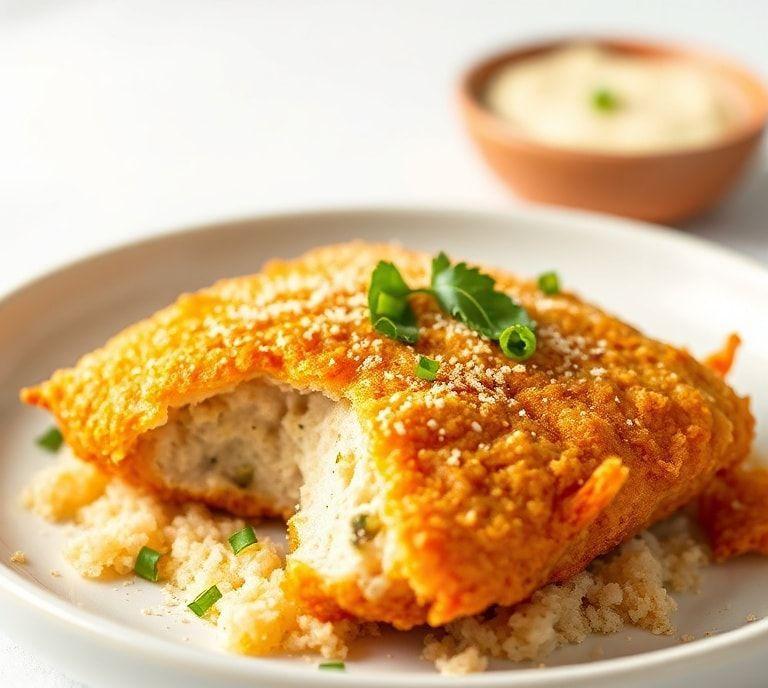
So, what makes a vegetarian katsu? It’s the same idea as the traditional dish: a crispy, breaded cutlet that’s fried until golden, served with a sweet and savory sauce. The main difference? We’re going with a plant-based option for the cutlet. And trust me, once you take that first bite, you won’t miss the meat at all. Let’s dive into the recipe:
Ingredients Needed
Here’s what you’ll need to get started. Keep in mind that I’m not just listing ingredients for the sake of it; these elements come together to build the perfect balance of texture, flavor, and richness.
-
Vegetable Cutlet Base (choose One)
- 2 large portobello mushrooms, thickly sliced
- 2 medium-sized sweet potatoes, peeled and sliced into 1/2-inch rounds
- 1 block of firm tofu, pressed and sliced into 1-inch slabs
-
Breadcrumb Coating
- 1 cup panko breadcrumbs (you can find these at most grocery stores)
- 1/2 cup all-purpose flour (for dredging)
- 2 tablespoons cornstarch (this adds to the crispiness)
- Salt and pepper to taste
- 2-3 tablespoons soy sauce (this gives the breadcrumbs a little depth of flavor)
- 1-2 tablespoons sesame oil or vegetable oil (for frying)
-
Katsu Sauce
- 1/4 cup ketchup
- 2 tablespoons soy sauce
- 2 tablespoons Worcestershire sauce (this adds a little complexity)
- 1 tablespoon mirin (for sweetness and a bit of umami)
- 1 teaspoon Dijon mustard (adds a touch of sharpness)
- 1 teaspoon sugar (to balance the tanginess)
- Optional: a dash of grated ginger or garlic for extra flavor
-
For Garnish
- Thinly sliced cabbage or lettuce
- Cooked rice (jasmine or sushi rice works well)
- A sprinkling of sesame seeds (optional)
Cooking Instructions
Now that you’ve gathered your ingredients, it’s time to put everything together. Here’s a step-by-step guide to creating the perfect vegetarian katsu:
-
Prepare Your Cutlet Base
- If you’re using portobello mushrooms, clean them gently with a damp cloth and slice them into thick pieces.
- For sweet potatoes, peel and slice them into rounds. You can also roast or steam them slightly to get them tender, but the frying process will do most of the work.
- If you’re using tofu, press it to remove excess moisture and slice it into slabs.
-
Bread The Cutlets
- Start by setting up a breading station. In one shallow bowl, combine the flour, cornstarch, and a pinch of salt and pepper. In another bowl, add soy sauce (just enough to coat the veggies lightly), then dip each piece into the flour mixture, followed by the soy-sauce-coated vegetables. Then, coat the pieces in the panko breadcrumbs, pressing them gently so they adhere.
- The key to a crunchy katsu is getting that breadcrumb coating just right. You want a generous but not overly thick layer.
-
Fry The Cutlets
- Heat a couple of tablespoons of sesame oil (or vegetable oil) in a large frying pan over medium heat. Once the oil is hot, add your breaded vegetables. Depending on the size of your pan, you may need to do this in batches.
- Fry the pieces for about 3-4 minutes on each side or until golden brown and crispy. Don’t overcrowd the pan-give them room to crisp up. Once done, transfer them to a paper towel-lined plate to drain excess oil.
-
Make The Katsu Sauce
- In a small saucepan, combine ketchup, soy sauce, Worcestershire sauce, mirin, mustard, and sugar. Bring it to a simmer over low heat and stir occasionally. Let it cook for 2-3 minutes, just until everything melds together.
- Taste the sauce-it should be a nice balance of tangy, sweet, and umami. Adjust by adding a little more mustard or sugar if you want it sharper or sweeter.
-
Assemble The Dish
- Serve your crispy veggie katsu on a bed of cooked rice with a side of shredded cabbage or lettuce. Drizzle the katsu sauce over the cutlets, and sprinkle with sesame seeds for a little extra flair.
- Serve it with a simple side salad or some pickles to balance out the richness of the katsu.
Ingredient Science Spotlight
Let’s talk a little about the science behind some of the key ingredients in this recipe. While this might not be a cooking class, understanding why certain elements work the way they do can elevate your dish from good to great.
- Panko breadcrumbs: These are the golden ticket to getting that perfect crunch. Unlike regular breadcrumbs, panko is made from a crustless bread that’s baked in a way that makes it airy and light. When fried, it creates a crispier, lighter texture that holds up better than standard breadcrumbs.
- Tofu: When pressed and fried, tofu becomes wonderfully crispy on the outside and maintains its soft, creamy interior. It’s essentially a sponge, soaking up flavors from marinades or coatings, and it brings a hearty, satisfying texture to a dish.
- Sweet potatoes: The natural sugars in sweet potatoes caramelize beautifully when fried, creating a rich, slightly sweet contrast to the savory katsu sauce. They’re also packed with vitamins and fiber, making them a great alternative to more conventional breaded meats.
Expert Tips
- Crispiness is key: If you want your katsu to stay crispy after cooking, avoid stacking the pieces on top of each other. Instead, let them rest on a wire rack or paper towels so the air can circulate around them and keep the texture intact.
- Fry in batches: If you’re making a large batch, fry the pieces in small batches to ensure they cook evenly and don’t stick together. This will also help keep the oil temperature stable.
- Get creative with the base: Don’t feel limited to just mushrooms, tofu, or sweet potatoes. You can try things like eggplant, zucchini, or even cauliflower for a unique twist on the classic.
Recipe Variations
One of the great things about this vegetarian katsu recipe is its flexibility. Here are some fun ways you can mix things up:
- Cheese-filled katsu: Add a slice of cheese between two pieces of portobello mushroom or tofu for a gooey surprise when you cut into it.
- Tempura-style coating: If you want an even lighter, crispier texture, try dipping the vegetables in tempura batter before coating them in panko. The result will be a delicate, airy crunch that’s perfect with the rich katsu sauce.
- Baked instead of fried: For a healthier version, bake the breaded cutlets in a preheated oven at 400°F (200°C) for about 20 minutes, flipping halfway through. You won’t get the exact same crispy texture as frying, but it’s still delicious.
Final Words
Vegetarian katsu is proof that comfort food doesn’t need to be loaded with meat to be satisfying. The combination of crispy cutlets, rich katsu sauce, and fluffy rice creates a dish that’s sure to please everyone at the table-whether they’re vegetarians or not. It’s a little indulgent, but that’s part of the charm. After all, who doesn’t need a little crispy joy in their life now and then?
FAQs
What Is A Vegetarian Katsu Made Of?
A vegetarian katsu is typically made using plant-based alternatives to meat. Common ingredients include breaded and fried vegetables such as eggplant, zucchini, or tofu. These ingredients are coated in panko breadcrumbs and fried to achieve a crispy, golden exterior similar to traditional katsu, which is usually made with chicken or pork.
Can I Make A Vegetarian Katsu Without Tofu?
Yes, you can make a vegetarian katsu without tofu. Many alternatives work well in place of tofu, including portobello mushrooms, eggplant, sweet potato, or even seitan. These alternatives can be sliced, breaded, and fried in a similar fashion to traditional katsu for a delicious and hearty vegetarian option.
What Sauce Should I Serve With Vegetarian Katsu?
The traditional sauce for katsu is tonkatsu sauce, a tangy and slightly sweet sauce made from soy sauce, Worcestershire sauce, ketchup, and various seasonings. For a vegetarian version, you can use store-bought tonkatsu sauce, or make your own by mixing soy sauce, vinegar, sugar, and a bit of ketchup. The sauce complements the crispy, fried katsu beautifully.